One day instead of five
by The Krea Team
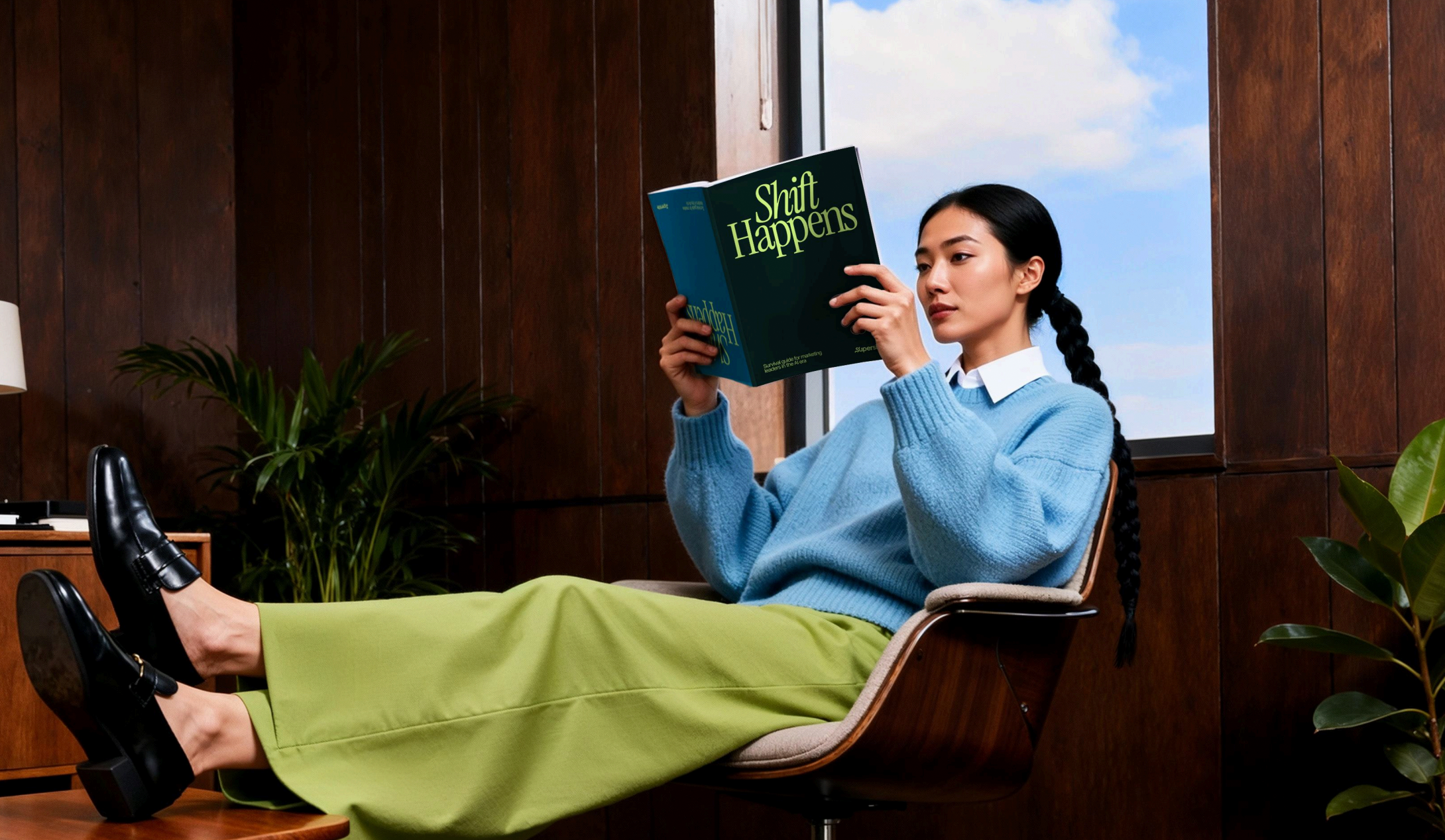
Picture a brand shoot in South Africa. The photographer is still working, the light is still good, the team hasn't broken for lunch. Back at HQ, images are already being pulled into Krea, edited, varied, and tested. By the time the crew packs up, the team has confirmed that what they shot will scale into everything the campaign needs.
"What used to take five days, we now do in one. Krea gives us the other four back."
Superside is the world's leading AI-first creative partner, helping in-house marketing and creative teams at enterprise brands like Intuit, Amazon, DoorDash, Figma, and Reddit produce high-performing creative fast, on brand, and at scale. The team is remote-first and spread across over 60 countries — filmmakers, animators, brand managers, graphic designers, and creative technologists, all working across the same client base at the same time. To understand how a shoot in one hemisphere can move into post before the crew has packed up, it helps to look at the workflow that came before.
From "close enough" to "blind prompting"
For decades, agency workflows looked the same. Teams spent days, sometimes weeks, going back and forth with clients to nail down a brief. Stock photography filled the gaps and got everyone "close enough" to the idea in the client's head. What followed was familiar to anyone who has lived it: multi-day shoots, long review cycles, and final work that occasionally still missed the mark.
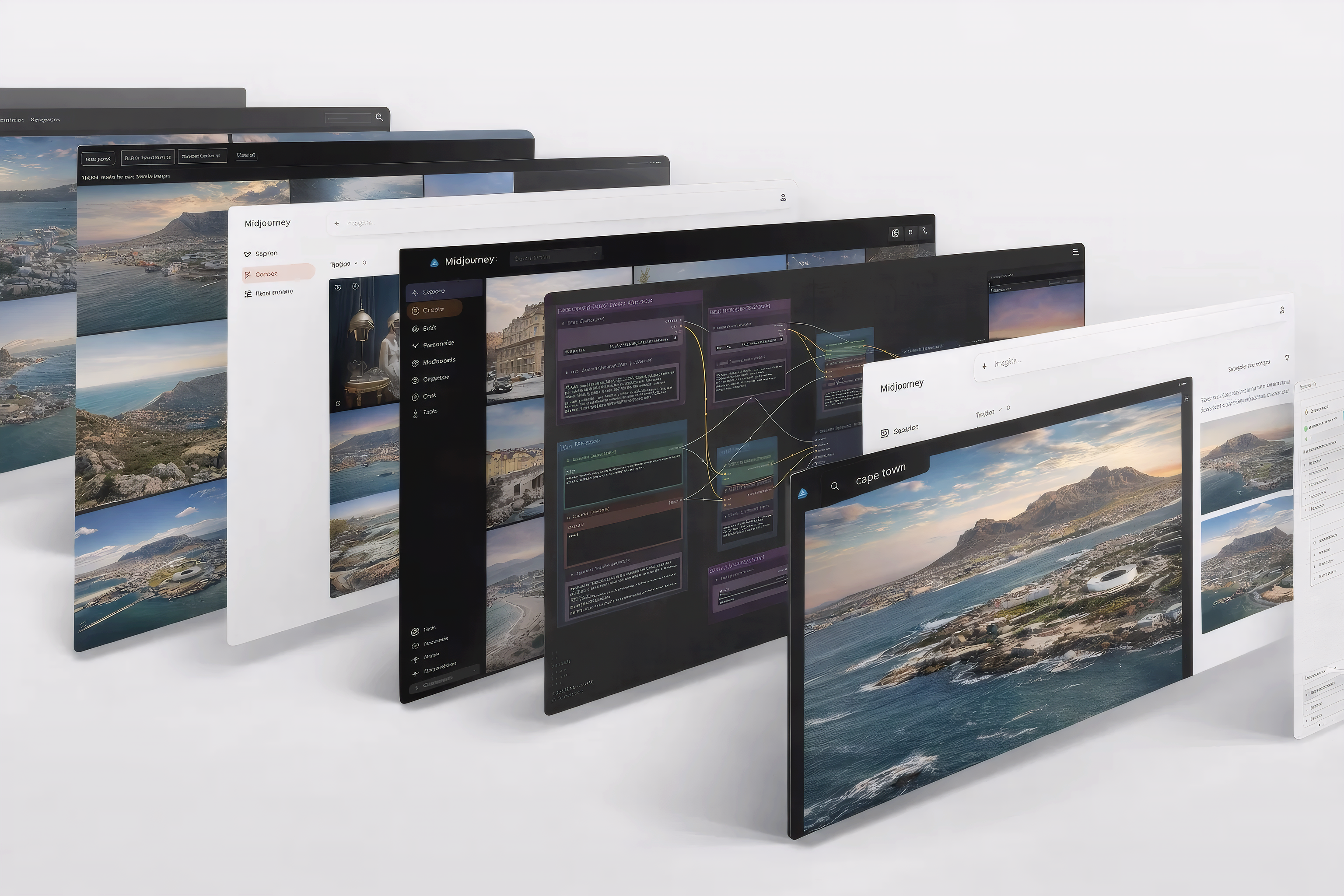
When AI tools first arrived, they added complexity before they relieved any of it. By 2023, Superside was contending with the kind of AI sprawl that has quickly settled across a lot of creative teams. People were scattered across Midjourney, ComfyUI, and a handful of others, each tool with its own quirks, its own logins, its own learning curve.
Anthony Higgins, Group Creative Director, Automation & AI at Superside, has a name for what happened next:
"We saw a rise in what I call 'blind prompting' — teams testing the same idea across different models with no clear system, which quickly became inefficient and costly."
A tool that grows with the team
The fix for sprawl is rarely another tool. It is usually one tool that quietly absorbs the work the others were doing. When Superside looked at which platform to consolidate around, one answer kept coming back.
"In 2025, around 80% of our AI-generated work ran through Krea. Its ease of use made it scalable across the entire team."
Krea was the option that felt approachable for everyone, across skill levels and disciplines. The interface is simple enough that the team and clients can use it for concepting and production. Underneath that simplicity sits the depth needed for programmatic campaigns and creative work at scale.
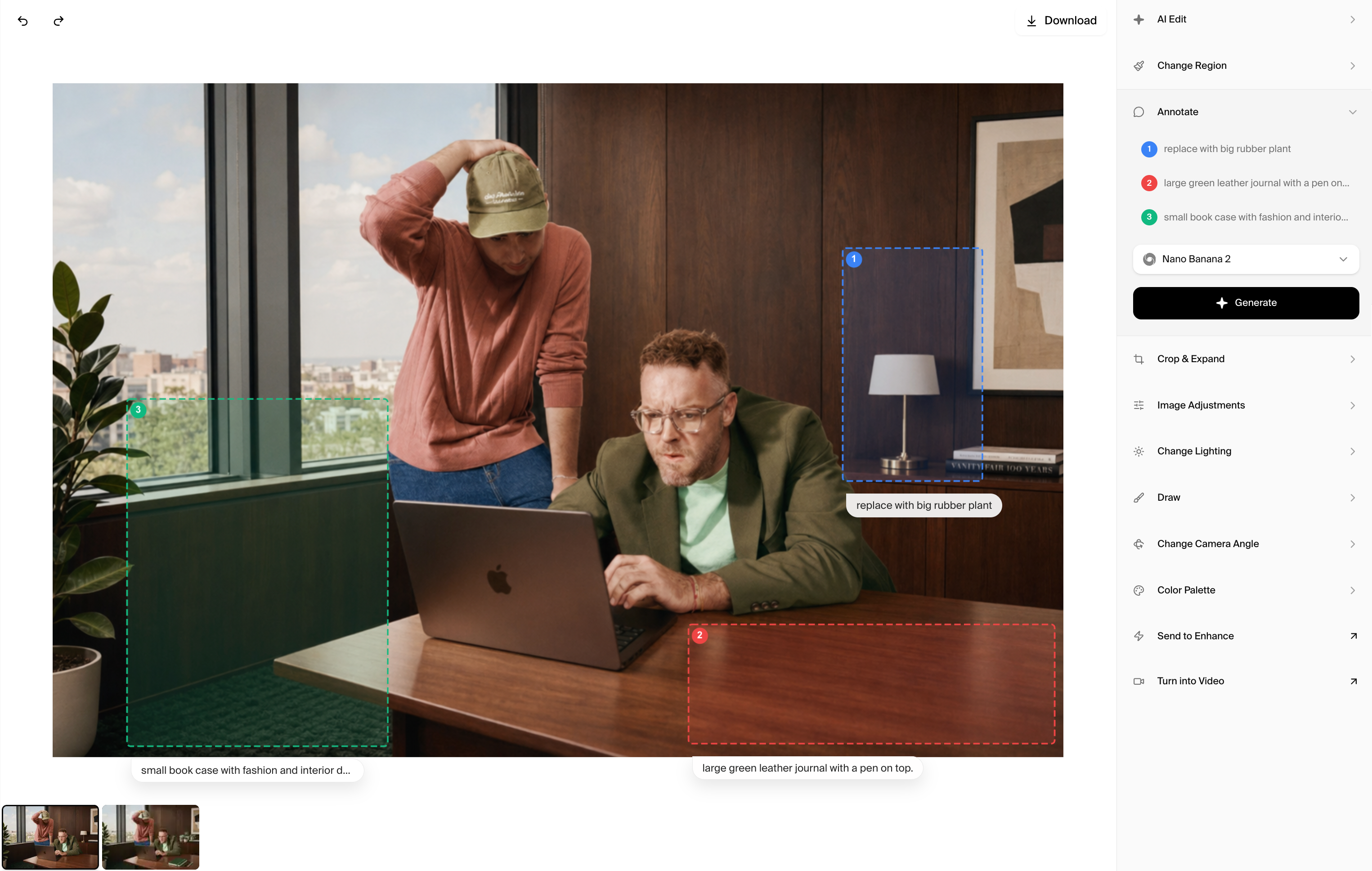
From concept to campaign: scaling on one platform
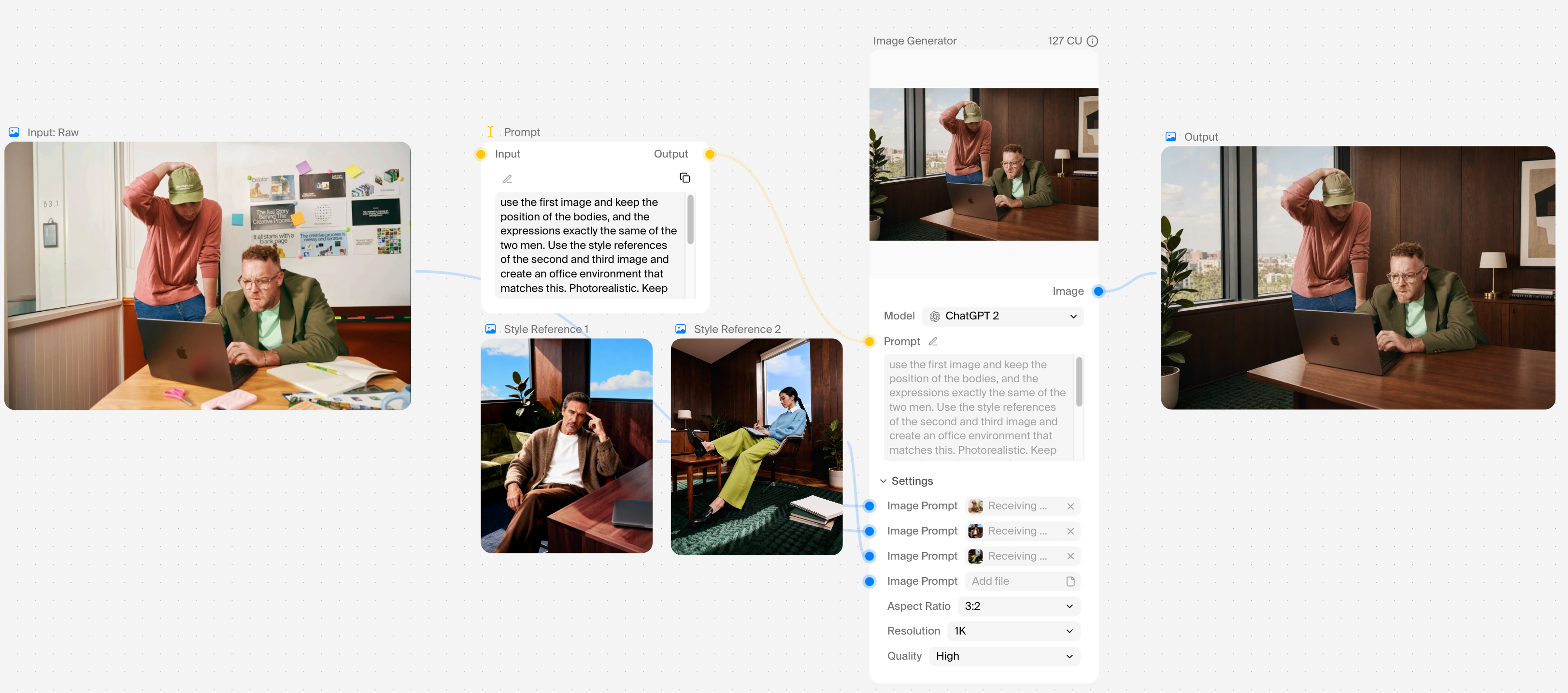
Today, Superside generates hundreds of assets per project in Krea. The team builds end-to-end workflows that move from image generation into resizing and formatting, and then into video variations. They also train custom LoRA models on client brand assets, which has shifted the way clients arrive at a brief. Many of those clients have been onboarded directly onto Krea, with dedicated LoRAs set up so they can generate visuals to bring along with their thinking.
"Clients no longer have to rely on stock as a reference. They can now show a much closer version of their intent — and the more visual the brief, the better the outcome for creative teams."
Product work has seen some of the clearest gains. Tasks that once required full photo shoots can now happen entirely inside the platform.
"For product use cases, like a pair of sunglasses, we can generate consistent angles, variations, and model shots without the need for a traditional shoot."
The shoots that still happen have changed too. Krea has improved the inputs going into them, with reference photos and shot lists arriving more specific than they used to be. Production teams have better material to plan around, which makes the day on set more efficient when it comes.
"By combining reference poses with model inputs, we can reach the desired outcome significantly faster — with much higher precision."
Common ground for a global creative team
The most meaningful shift might be a cultural one. Superside's team spans every level of AI fluency, from creative directors who were exploring Midjourney in its earliest days to designers who joined a few weeks ago. Krea has become the shared ground that holds all of them. Newer team members can start with a simple prompt or borrow a workflow someone else has already built. More experienced users keep building deeper pipelines on the same platform. The tool grows with the team and stays open to anyone who joins it.
"We went from a small group of around 20 expert users to the majority of the team using it — as the platform became significantly more accessible."
The Krea team works closely with enterprise customers to keep pace with their creative processes, integrating the latest models, refining the toolset, and shipping new capabilities every week.

Getting a global creative operation onto the same tool, across time zones and skill levels, is harder than it sounds. The South Africa shoot is what it looks like when the system clicks into place. A photographer on one continent, a model being trained at HQ, outputs ready to review before the crew had finished packing up. That kind of workflow happens when the whole team is on a platform that lets them move quickly together at the quality their clients expect.
For Superside, that tool is Krea.