











Step 1
Upload
Import your 3D render or viewport screenshot. Choose output size and optionally add a short prompt to guide materials, lighting mood, or realism level.
Convert 3D renders into polished images with Render to Image. Use AI to enhance lighting, texture, and realism fast. Upload and generate now.
Run the app to see your first output
How to use Render to Image
Use Render to Image to convert a basic render into a refined, realistic image in minutes. Upload your render, choose enhancement settings, and generate outputs ready for reviews, presentations, or listings.
Step 1
Import your 3D render or viewport screenshot. Choose output size and optionally add a short prompt to guide materials, lighting mood, or realism level.
Step 2
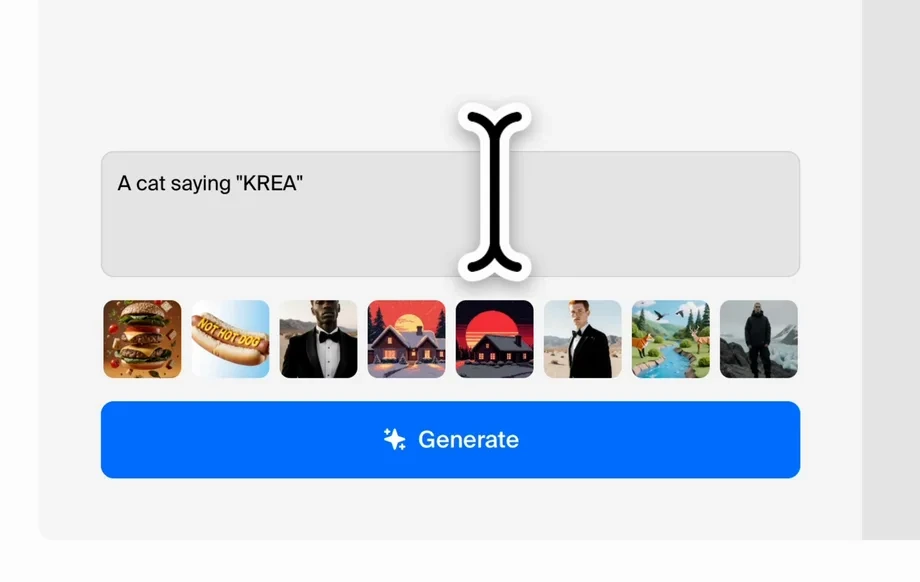
Adjust enhancement strength, detail, and style targets. Lock composition to preserve camera angle and shapes while improving textures, shadows, reflections, and overall clarity.
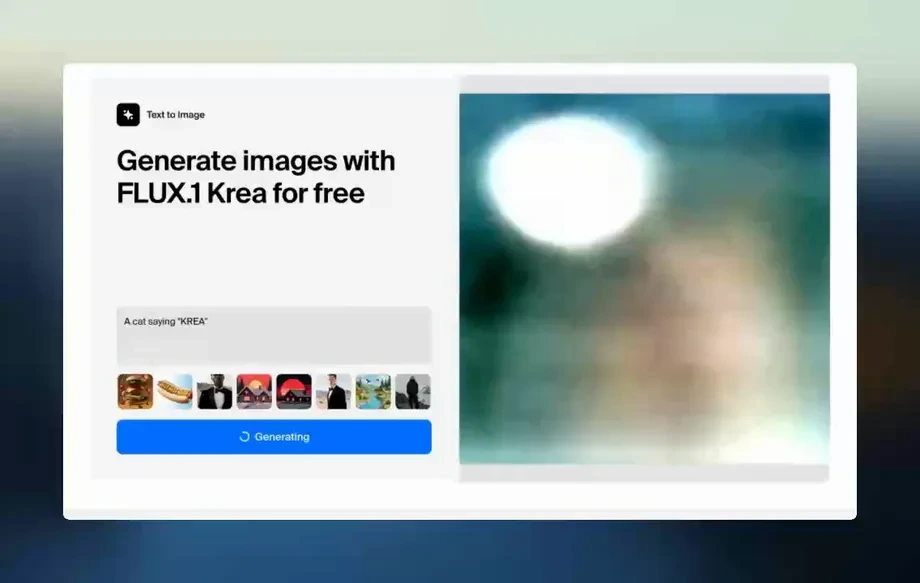
Step 3
Run the AI render-to-image conversion and review variations. Download the best result or iterate with small tweaks to match your brand, client notes, or scene intent.
Features
Render to Image converts 3D renders into high-quality images with AI-driven realism and detail. Improve lighting, materials, and sharpness while maintaining the original layout. Generate multiple variations quickly to explore styles, finalize presentations, and reduce time spent on manual retouching or re-rendering.
Boost texture fidelity, micro-contrast, and material realism from a single render. Preserve edges and geometry while improving shadows, reflections, and surface finish for a cleaner, more believable image.
Generate multiple looks without changing your camera view. Keep composition stable while exploring lighting moods and realism levels, so comparisons are easy and revisions stay controlled.
Produce crisp images for decks, listings, and reviews. Reduce re-render cycles by refining the render-to-image result, then export high-quality files suitable for client sign-off and marketing.
About
Render to Image transforms your 3D renders into clean, photoreal images using AI. Enhance lighting, materials, and fine details while keeping the original composition and style consistent. Upload a render, set your look, and generate high-quality outputs for archviz, product shots, and concept presentation—fast.
Render to Image delivers fast AI render enhancement with consistent composition control. Improve lighting, texture detail, and realism without complex post workflows. Generate variations quickly to compare options, reduce re-render time, and ship presentation-ready images with fewer iteration cycles.
Drop in a PNG or JPG render, set output size, and tweak enhancement strength. Generate a few variations, then refine with small changes until the image matches your desired realism and mood.
Use cases
Discover how different creators use this app in their workflow.
Enhance archviz renders into photoreal images with better lighting and materials. Create clean interior and exterior shots for approvals and presentations.
Turn product renders into polished hero images. Improve reflections, edges, and texture detail for ecommerce listings, ads, and pitch decks.
Quickly refine early 3D concepts into clear visuals. Generate style variations to communicate intent, mood, and materials without manual post-processing.
Krea is one of the world's leading generative AI platforms. See what others say.
Real reviews on TrustpilotSo many AI tools out there but I always come back to Krea. It's really the one AI platform that 'just works'.
FYN
Krea's interfaces are still the best in the industry. Everything looks and feels so clean and easy to use! Imo the easiest to use gen AI website.
Lynn
Ultra fast generations. Extremely simple to use. All the latest AI models.
Daniel
KREA is the only AI subscription I have right now besides ChatGPT.
Sophia M.
Answers to common questions about AI render-to-image conversion, quality, and workflow.
Render to Image is an AI tool that converts 3D renders into more realistic, presentation-ready images. It enhances lighting, textures, and detail while keeping the original composition and camera framing consistent.
Upload a render and choose enhancement settings. The AI analyzes shapes, shading, and materials, then generates improved versions with refined lighting, texture detail, and realism while preserving key structural elements.
Yes—Render to Image is designed to maintain composition. With composition lock and controlled strength settings, you can preserve geometry and framing while improving materials, shadows, and overall image clarity.
High-resolution PNG or JPG renders work best, including viewport screenshots and final frames. Clear silhouettes, accurate lighting, and minimal compression artifacts help the AI produce sharper, more realistic enhancements.
Yes. Create several AI outputs to explore lighting moods, material finishes, and realism levels. Small prompt or setting changes can produce controlled alternatives without re-rendering your 3D scene.
It’s both. Render to Image can improve perceived resolution and fine detail while enhancing lighting and materials. Use it to clean up a render, add realism, and produce sharper final images.
Yes—Render to Image supports architecture visualization and product visualization workflows. It helps deliver photoreal results faster by refining textures, shadows, reflections, and overall presentation quality.
Use enhancement strength and style targets to balance realism and look. Lower strength keeps the render closer to the original; higher strength pushes detail and mood for more dramatic, stylized results.
Yes. Generate updated versions quickly for review cycles by adjusting prompts and settings instead of re-rendering. This speeds iteration and helps align on lighting, material feel, and overall mood.
Yes. The tool uses artificial intelligence and machine learning to interpret your render and generate refined images. The model focuses on improving realism, detail, and presentation quality while keeping structure consistent.
Upload a render, choose your look, and generate photoreal results in minutes with AI enhancement.