














Step 1
Describe
Paste a user story, PRD snippet, or acceptance criteria. Add platforms, target browsers, and constraints so the AI can generate accurate, relevant test coverage.
 App by dedicatedmodestsnail
Testing is an AI testing generator to create QA test cases, scripts, and bug reports from prompts. Speed up validation and ship with confidence—try it now.

How to use Testing
Use Testing to turn requirements into ready-to-run QA artifacts. Add a feature description, choose the test style you need, and generate structured cases you can copy into your workflow.
Step 1
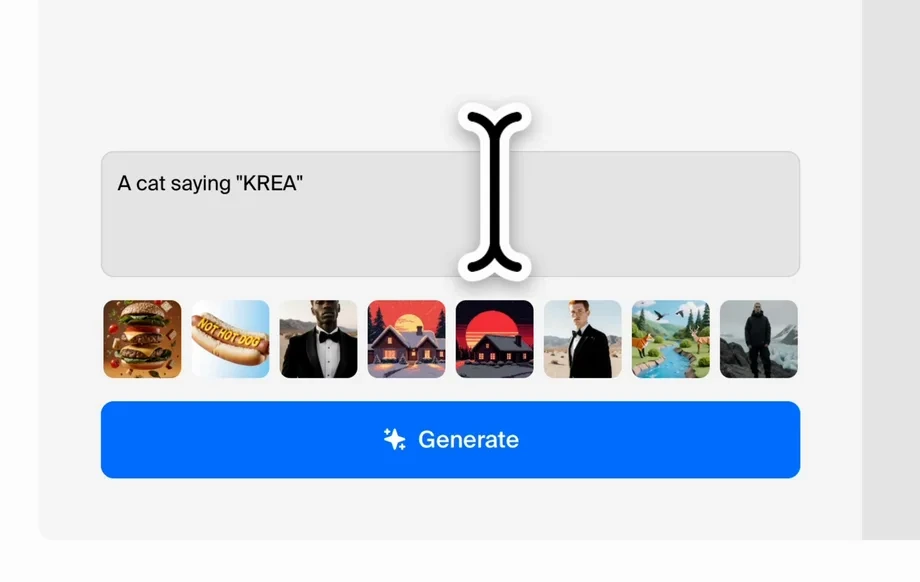
Paste a user story, PRD snippet, or acceptance criteria. Add platforms, target browsers, and constraints so the AI can generate accurate, relevant test coverage.
Step 2
Select outputs like test cases, test scripts, or bug report templates. Generate steps, expected results, and edge cases tailored to your app and scope.

Step 3
Copy results into Jira, TestRail, GitHub, or docs. Re-run with updates to refine coverage, add negative tests, and keep QA assets consistent.
Features
Testing generates structured QA assets from simple prompts, helping you validate features faster. Create clear test steps, expected outcomes, and edge cases for web, mobile, and APIs. Keep outputs consistent across teams, reduce repetitive writing, and iterate quickly as requirements change—without losing coverage.

Generate manual and automated-friendly test cases with steps, expected results, and preconditions. Add negative paths and edge cases automatically to increase functional coverage.

Update tests instantly when requirements change. Regenerate variations for different devices, browsers, and roles so validation stays aligned with each release cycle.

Get consistent formatting for checklists, scripts, and bug reports. Copy into your ticketing and test management tools to reduce rework and improve team handoffs.
About
Testing is an AI testing generator that helps you create test cases, QA checklists, and bug reports in seconds. Turn plain-language requirements into structured steps, expected results, and edge cases for web, mobile, and API testing. Reduce manual effort, improve coverage, and keep releases moving with consistent, reusable outputs.
Testing helps you move from vague requirements to structured QA artifacts fast. Generate consistent test cases, expected results, and edge scenarios with minimal input. Reduce manual writing, improve coverage, and keep quality checks aligned across releases and teams.
Enter a feature description or user story, then choose the output you need—test cases, scripts, or bug reports. Generate, review, and copy results into your existing QA tools in minutes.
Use cases
Discover how different creators use this app in their workflow.
Create comprehensive test suites from requirements, including regression scenarios and edge cases. Standardize documentation and reduce time spent writing repetitive test steps.
Generate unit-test ideas, API test scenarios, and acceptance checks from feature specs. Catch gaps early and validate changes faster during review and CI.
Turn acceptance criteria into clear QA checklists. Align stakeholders with measurable expected results and reduce ambiguity before development and release.
Krea is one of the world's leading generative AI platforms. See what others say.
Real reviews on TrustpilotSo many AI tools out there but I always come back to Krea. It's really the one AI platform that 'just works'.

FYN
Krea's interfaces are still the best in the industry. Everything looks and feels so clean and easy to use! Imo the easiest to use gen AI website.

Lynn
Ultra fast generations. Extremely simple to use. All the latest AI models.

Daniel
KREA is the only AI subscription I have right now besides ChatGPT.

Sophia M.
Answers to common questions about Testing, AI testing, and generating QA artifacts quickly.
Testing is an AI testing generator that creates QA test cases, checklists, and bug report templates from prompts. It structures steps, preconditions, and expected results to speed up validation.
Yes. Provide context like platform, device, browser, endpoints, and auth rules. Testing generates scenarios tailored to web apps, mobile flows, and API behavior, including edge and negative cases.
Testing can output automation-friendly test steps and script-ready outlines. Use it to draft scenarios for frameworks, then adapt selectors, assertions, and fixtures to match your codebase.
Include the user story, acceptance criteria, data rules, and environments. Add roles, permissions, and error states. The more constraints you provide, the more precise and actionable the generated tests become.
You can copy generated test cases and bug reports into Jira, TestRail, GitHub issues, or docs. Use consistent formatting to streamline handoffs and keep QA artifacts easy to track.
Turn requirements into test cases, scripts, and bug reports with AI—ready to copy into your workflow.