













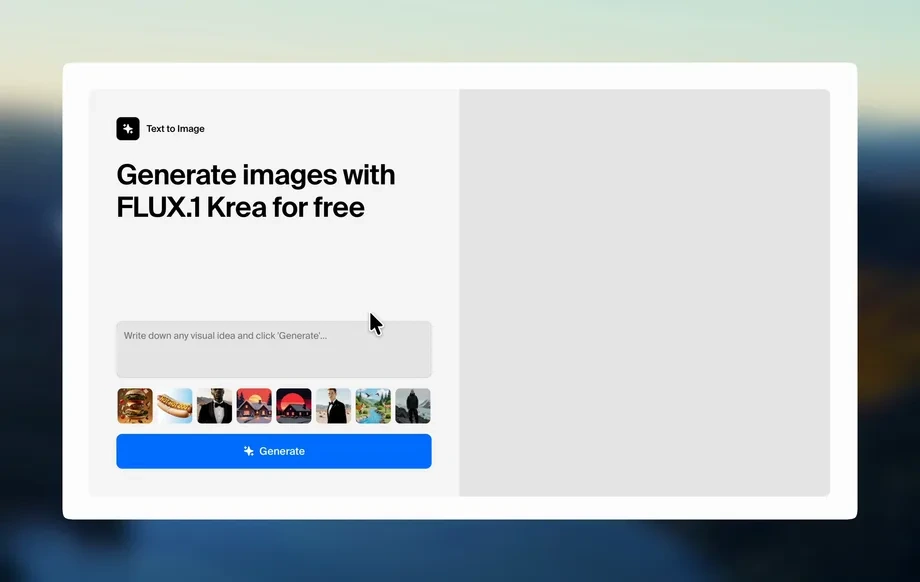
Step 1
Enter a location
Type a city, region, park, or address-style query. Add optional cues like “river edge,” “coastal,” or “dry hillside” to guide the natural environment.
Generate realistic landscape reference sets from any location. Get 10 AI images of terrain, water, and native plants in wide and close views. Try it now.
How to use SITE Landscape
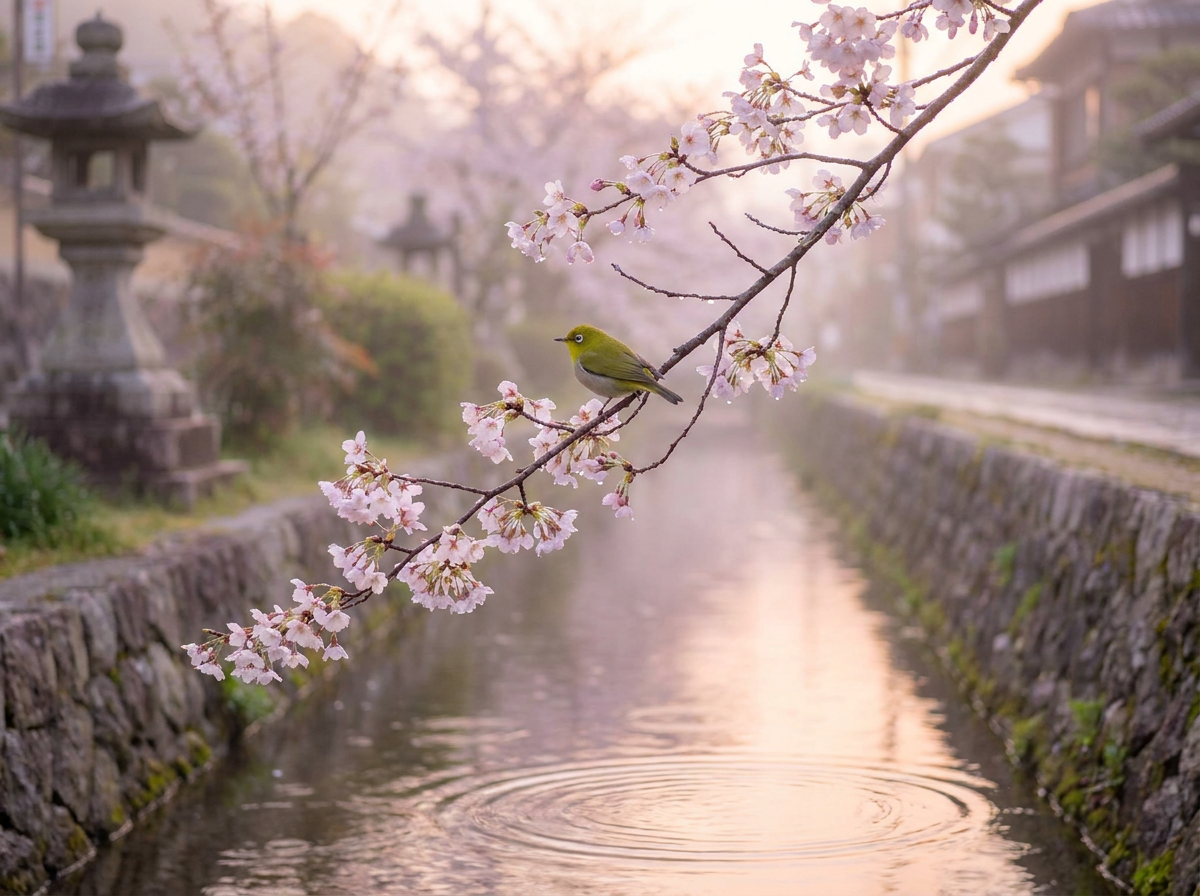
Use SITE Landscape to create fast, location-specific environmental references for planning and design. Type a place, generate a 10-image set, then review wide context and close details for plants, terrain, and water.
Step 1
Type a city, region, park, or address-style query. Add optional cues like “river edge,” “coastal,” or “dry hillside” to guide the natural environment.
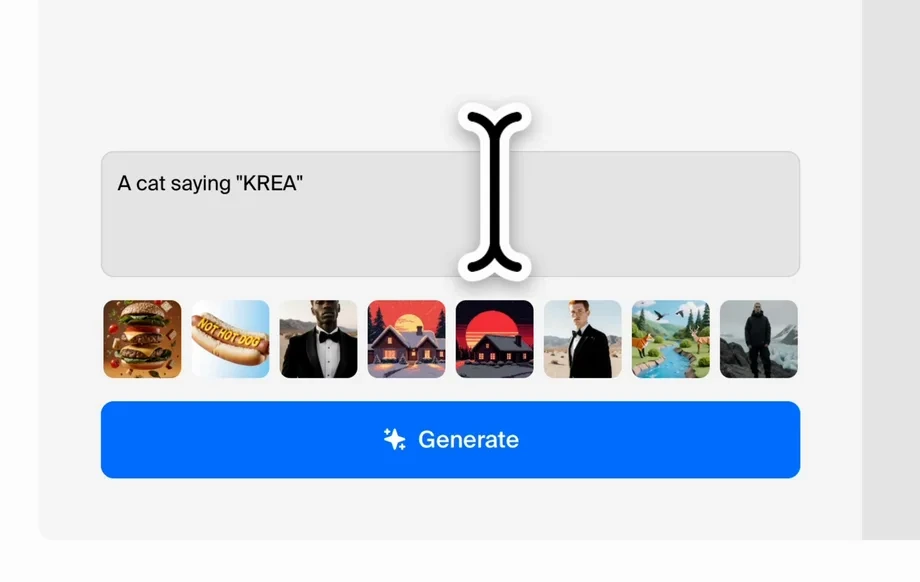
Step 2
Run the AI generator to produce ten images. You’ll get a mix of wide landscape scenes and close details showing textures, vegetation, and ground conditions.

Step 3
Scan the set for native plant feel, terrain shape, and water presence. Adjust the location wording and regenerate to explore nearby microclimates and variations.
Features
SITE Landscape is an AI landscape generator that outputs ten environment images from a single location prompt. Get wide context and close-up detail for native plants, terrain, soil, rock, and water. Quickly compare ecological character across sites, iterate wording for variation, and build reliable visual references for site analysis and planning workflows.
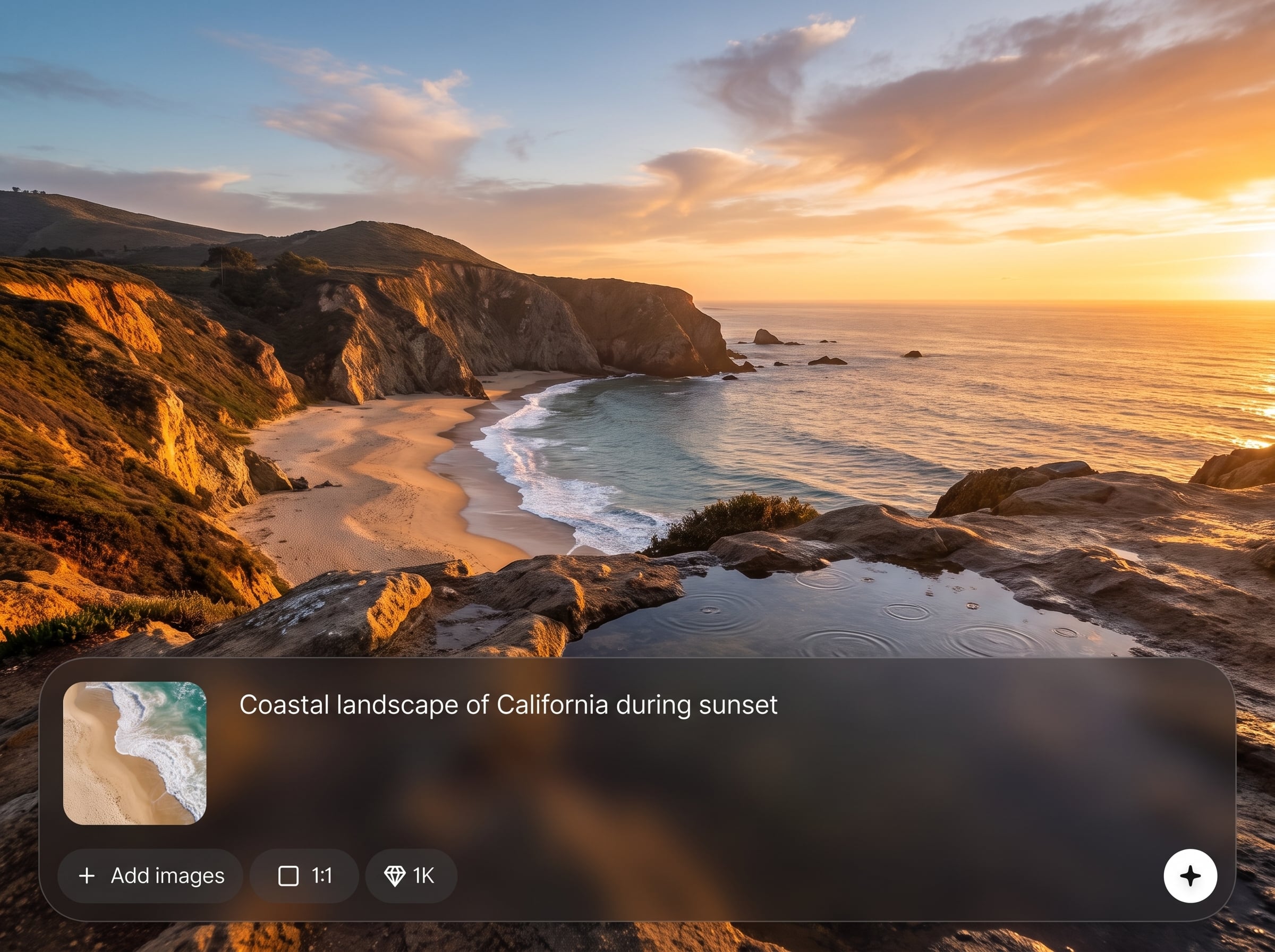
Type a location and generate a coherent natural environment set. The model emphasizes terrain, vegetation, and water cues so the results feel grounded for site context and research.
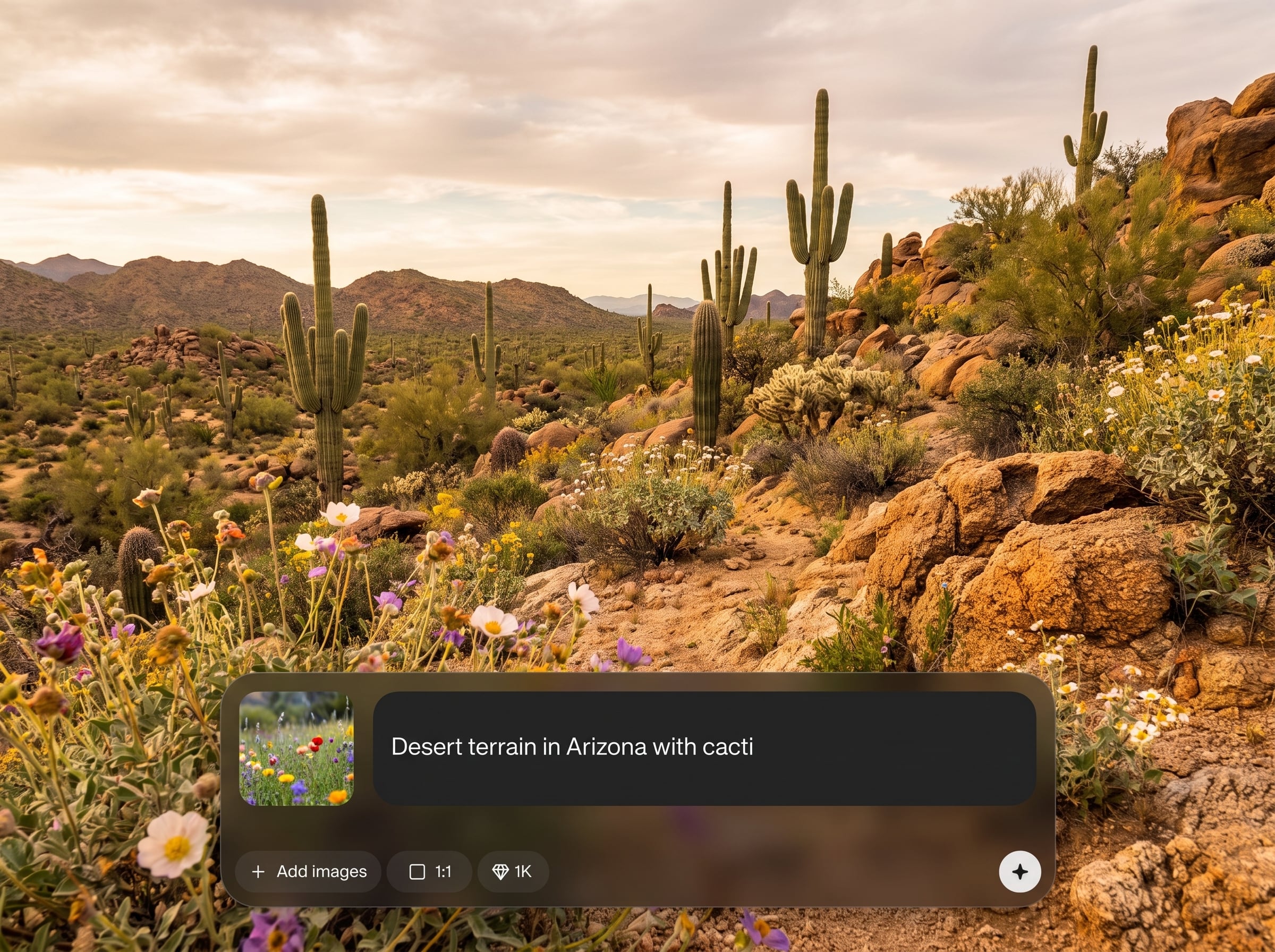
Each run returns ten images balancing big-picture landscapes and material-level details. Capture canopy structure, ground cover, shoreline edges, and surface textures in one reference pack.
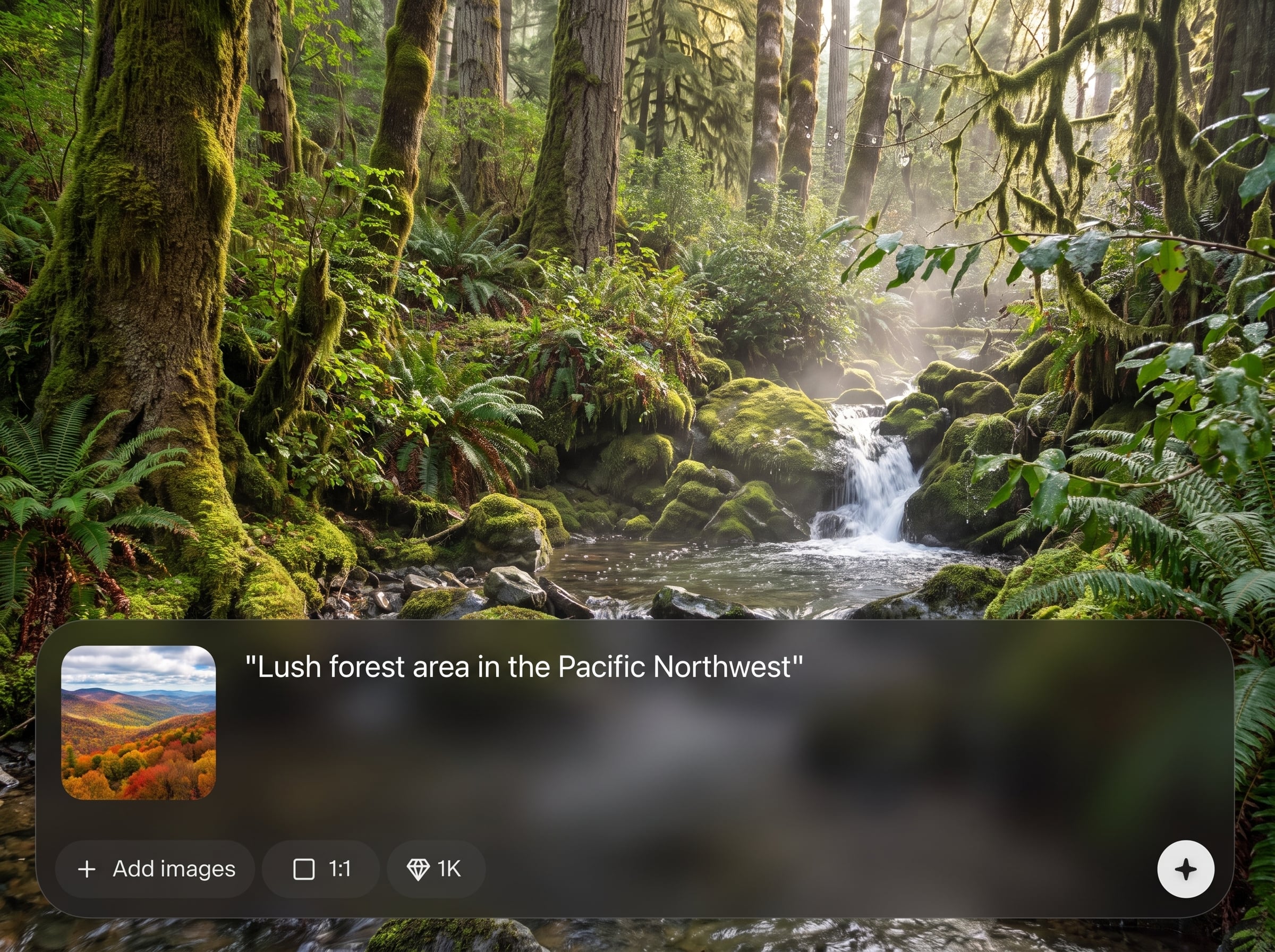
Explore alternatives by tweaking place names and descriptors like slope, exposure, or proximity to water. Regenerate quickly to compare micro-conditions and refine your visual direction.
About
SITE Landscape turns a typed location into a curated set of 10 AI-generated images of the surrounding natural environment. Explore native plants, terrain, water, and ecological textures through wide scenes and close-up details. Use it to quickly build visual context for site analysis, concept boards, and landscape research without time-consuming scouting.
SITE Landscape delivers consistent, location-driven environment reference sets in one click. The ten-image output balances broad context and close detail, helping you evaluate landform, vegetation, and hydrology together. Iterate quickly to compare regions, explore micro-conditions, and build clear visual direction.
Enter a location, add a short descriptor if needed, and generate your ten-image set. Review wide scenes and close textures, then refine the wording to explore nearby variations.
Use cases
Discover how different creators use this app in their workflow.
Generate environmental context before field visits. Use terrain, vegetation, and water references to support early decisions, constraints mapping, and opportunity studies.
Build fast, cohesive reference boards for plant feel, ground textures, and landform character. Keep concepts consistent across wide views and close details.
Compare landscape character across regions with repeatable prompts. Create visual datasets for discussion, documentation, and environmental storytelling.
Krea is one of the world's leading generative AI platforms. See what others say.
Real reviews on TrustpilotSo many AI tools out there but I always come back to Krea. It's really the one AI platform that 'just works'.

FYN
Krea's interfaces are still the best in the industry. Everything looks and feels so clean and easy to use! Imo the easiest to use gen AI website.

Lynn
Ultra fast generations. Extremely simple to use. All the latest AI models.

Daniel
KREA is the only AI subscription I have right now besides ChatGPT.

Sophia M.
Common questions about generating location-based AI landscape reference images with SITE Landscape.
SITE Landscape is a location-based AI landscape generator. You type a place and receive ten images showing the surrounding natural environment, including terrain, water, native plants, and close-up ecological textures.
The place name guides the environmental character the model aims to depict. Adding descriptors like “coastal,” “riparian,” or “alpine” helps steer terrain, vegetation density, and water features toward your intended context.
Yes. Each generation returns a consistent set of ten AI images, designed to include both wide landscape scenes and close details so you can assess context and materials together.
It aims to reflect native plant feel and regional cues, but results are best used as visual reference. For species-level accuracy or compliance, confirm with local plant lists and field or expert sources.
Yes. SITE Landscape emphasizes landform, ground texture, and hydrology cues. Include terms like “river,” “wetland,” “rocky slope,” or “dune” to increase the chance of those features appearing clearly.
Cities, regions, parks, and well-known landmarks typically work well. If a prompt is too broad, narrow it with nearby features or climate hints to get more consistent environmental results.
Use prompt wording to request “realistic,” “documentary,” or “reference photo” outputs. You can also refine by specifying season, time of day, or weather to shape lighting and vegetation appearance.
Yes. It helps quickly establish site mood, landform direction, and material palettes. Use the ten-image pack to support early concepts, precedent studies, and client-facing context boards.
Start with a specific place, then add one or two constraints: climate, terrain type, or water adjacency. Iterate small changes and compare sets to converge on the environmental character you need.
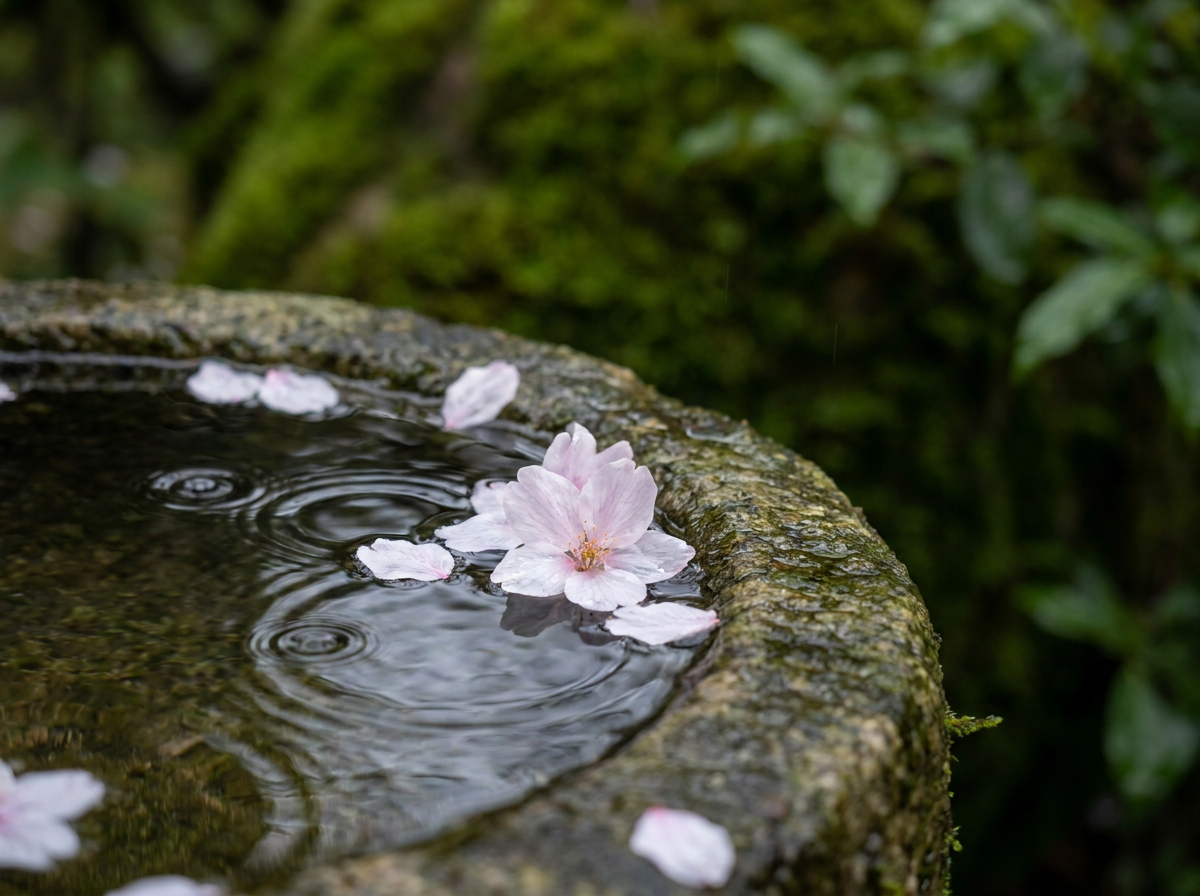
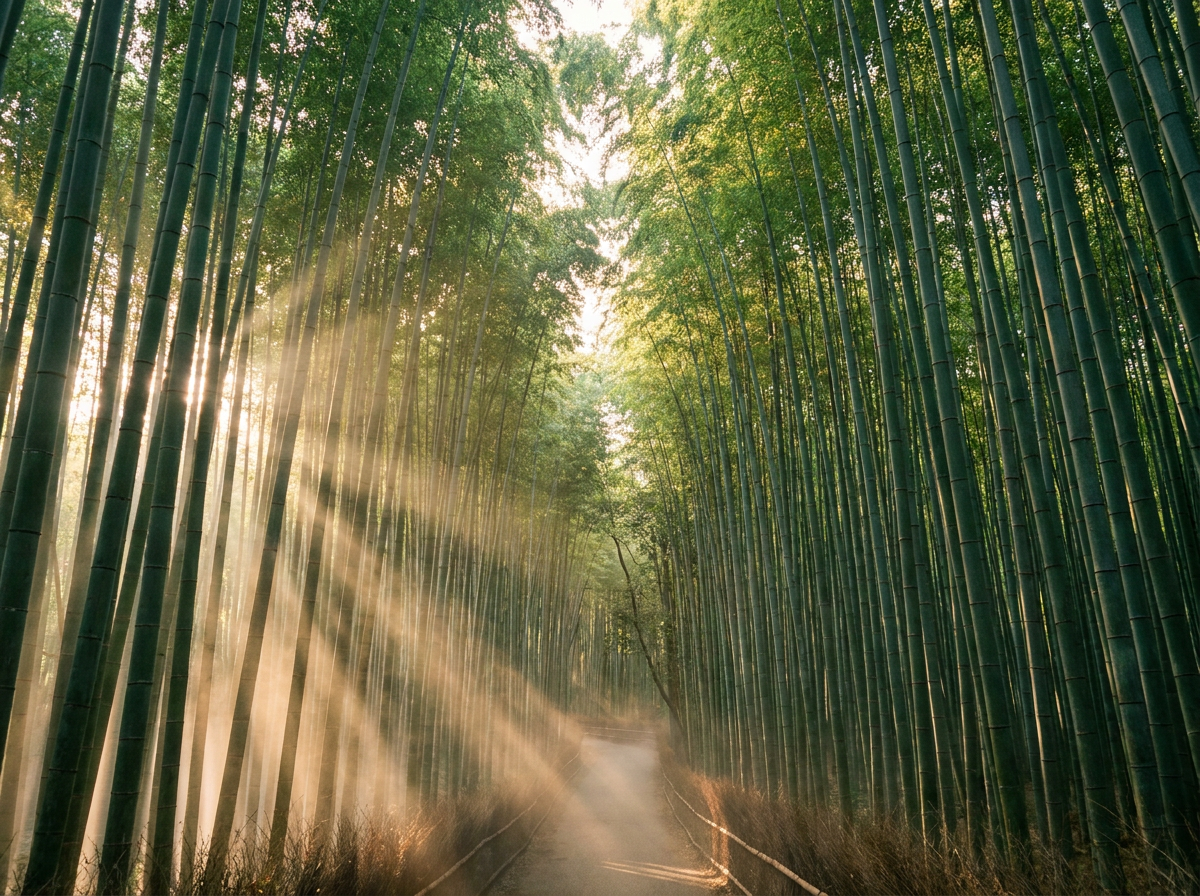
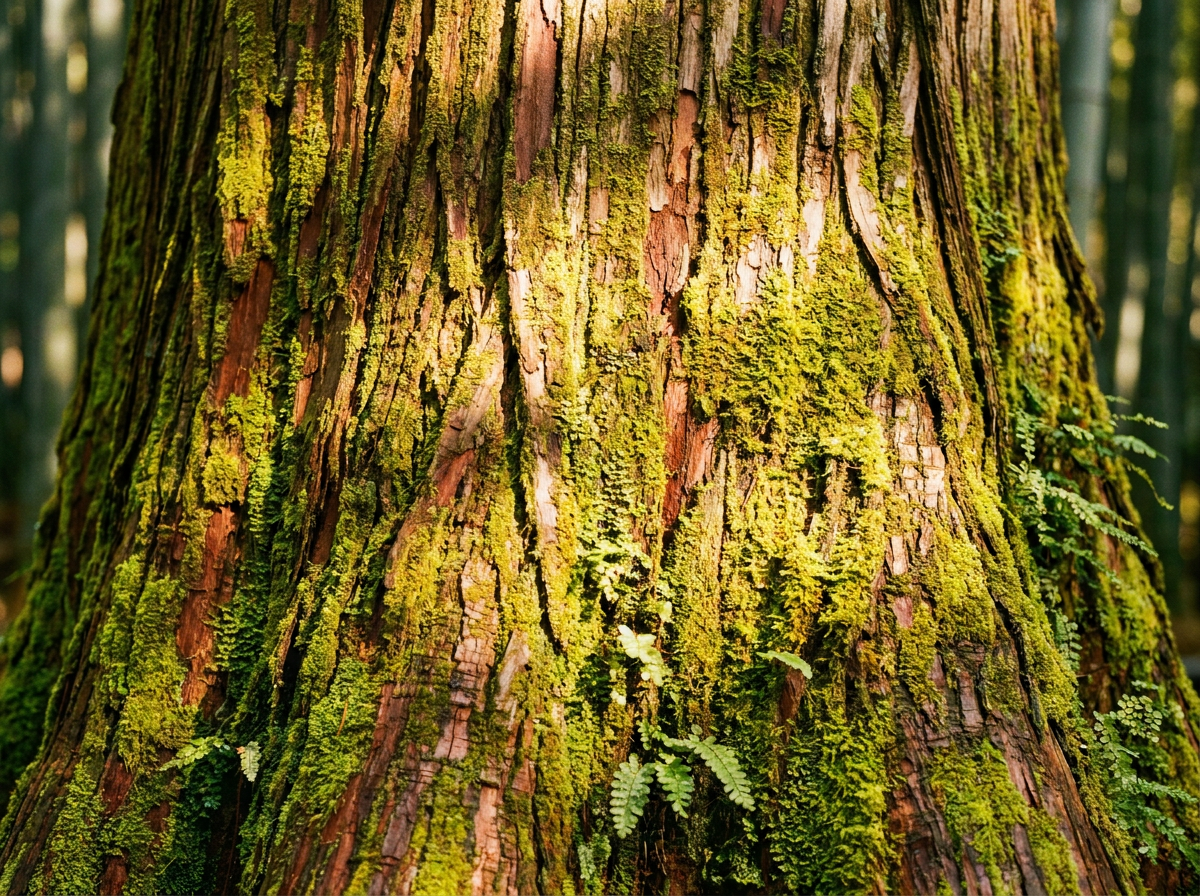
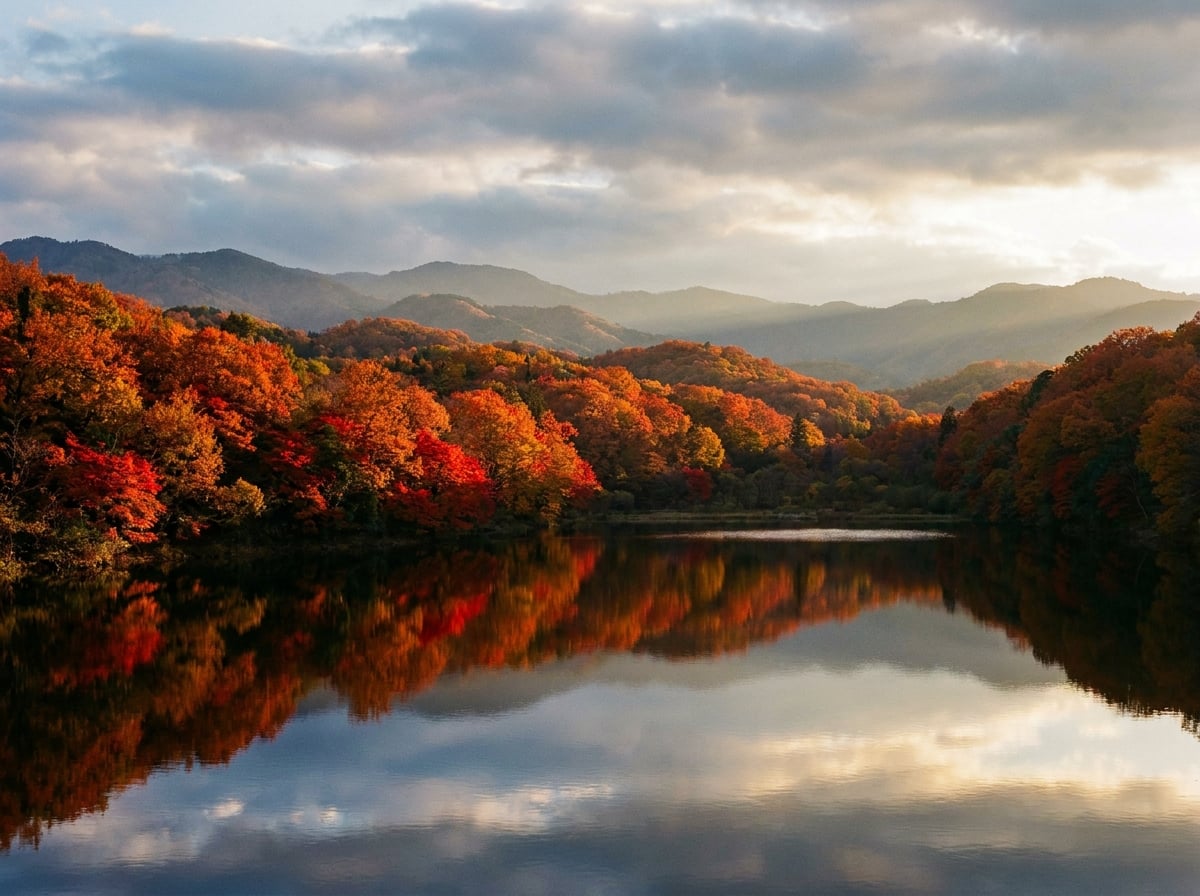
Type a place and instantly get ten AI environment images for terrain, water, and native plant references.