















Step 1
Describe your data needs
Enter your domain and entities, then specify required fields, constraints, and relationships. DB - QATAR interprets your prompt to propose a structured schema draft.
Build DB - QATAR fast with an AI database generator. Design schemas, add fields, validate relationships, and export ready tables online—try it now.

How to use DB - QATAR
Use DB - QATAR to generate a database schema from a simple prompt, then refine tables, keys, and relationships. Review the model, iterate with AI suggestions, and export a ready-to-implement structure.
Step 1
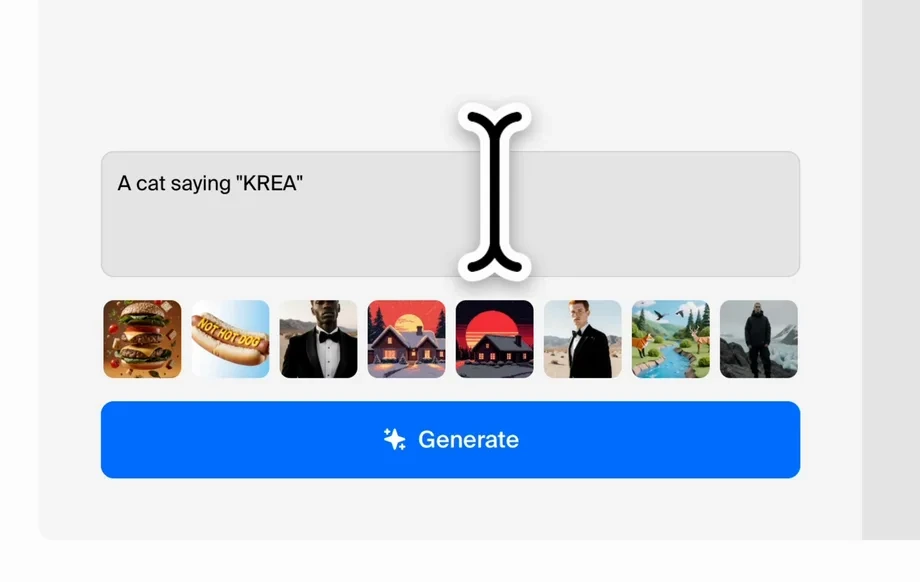
Enter your domain and entities, then specify required fields, constraints, and relationships. DB - QATAR interprets your prompt to propose a structured schema draft.
Step 2
Edit tables, set primary and foreign keys, and adjust naming conventions. Regenerate specific parts to improve normalization, consistency, and referential integrity.

Step 3
Export your schema as SQL-ready tables or structured documentation. Use the output to build databases faster and keep your project specs aligned.
Features
DB - QATAR turns plain requirements into a structured database schema with tables, fields, and relationships. Generate ERD-style logic, validate keys and constraints, and iterate quickly without manual rework. Export clean outputs for implementation, documentation, or team review so database design stays consistent and reliable.

Describe your application and DB - QATAR generates tables, columns, data types, and relationships. Quickly create a solid first draft that you can refine with precise edits.
Detect missing primary keys, broken foreign keys, and inconsistent naming. Get AI suggestions to improve normalization, integrity rules, and relationship clarity before exporting.

Produce implementation-friendly outputs for SQL workflows and documentation. Keep schemas consistent across iterations and share a clear, structured model for faster development.
About
DB - QATAR is an AI database generator that helps you design clean tables, fields, and relationships in minutes. Use prompts to create schemas, refine constraints, and keep data models consistent across projects. Export structured outputs for SQL or documentation, and iterate quickly with smart suggestions that reduce errors and rework.
DB - QATAR streamlines database design with AI-driven schema generation, constraint checks, and fast iteration. Create consistent tables and relationships without starting from scratch. Export structured outputs that help teams align on a single source of truth and reduce costly modeling errors.
Type a short prompt describing your entities and relationships, generate your first schema draft, then refine keys and constraints. Export the structured output to implement your database or share documentation with your team.
Use cases
Discover how different creators use this app in their workflow.
Turn feature requirements into a normalized schema for web and mobile apps. Reduce ambiguity and start implementation with clear tables and relationships.
Model target tables and constraints before migrating data. Align entities, keys, and relationships to minimize failures and clean up legacy structures.
Generate schemas that match CRUD endpoints and services. Keep naming, constraints, and relationships aligned with backend logic and documentation.
Krea is one of the world's leading generative AI platforms. See what others say.
Real reviews on TrustpilotSo many AI tools out there but I always come back to Krea. It's really the one AI platform that 'just works'.

FYN
Krea's interfaces are still the best in the industry. Everything looks and feels so clean and easy to use! Imo the easiest to use gen AI website.

Lynn
Ultra fast generations. Extremely simple to use. All the latest AI models.

Daniel
KREA is the only AI subscription I have right now besides ChatGPT.

Sophia M.
Answers to common questions about DB - QATAR and AI database design.
DB - QATAR is an AI database generator for designing schemas, tables, and relationships from text requirements. It helps you draft models quickly, refine constraints, and export structured outputs for implementation.
Yes. DB - QATAR can produce export-ready structured output that can be translated into SQL table definitions. You can review keys, fields, and relationships first, then implement confidently.
DB - QATAR generates relationship logic such as one-to-many and many-to-many patterns. It helps you define primary keys, foreign keys, and join tables so models remain consistent.
Iterate by editing table names, adding fields, and specifying constraints like unique or required values. You can regenerate only parts of the schema to improve normalization and clarity.
Yes. The AI guides you from plain-language requirements to a structured database design. It reduces guesswork by suggesting keys, relationships, and consistent naming conventions.
You can model an existing database by describing current tables and desired changes. DB - QATAR helps propose refactors, constraint fixes, and clearer relationships for improved maintainability.
You can export structured schema outputs suitable for documentation and implementation workflows. This makes it easier to share designs, review changes, and keep specs aligned across teams.
Accuracy depends on how specific your requirements are. Provide entities, fields, and relationship rules for best results, then validate keys and constraints before implementation or migration.
It can suggest improvements aligned with common normalization practices by reducing redundancy and clarifying relationships. Always review tradeoffs for performance, reporting needs, and application constraints.
No. You can generate schemas from descriptions without uploading real data. Use conceptual entities and rules, then later map them to production datasets during implementation.
Create tables, keys, and relationships in minutes with DB - QATAR—then export structured outputs for faster builds.