





Step 1
Upload
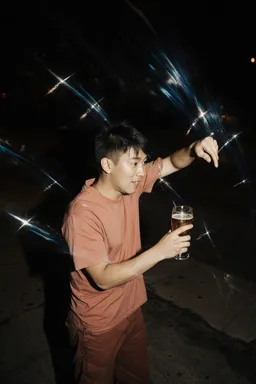
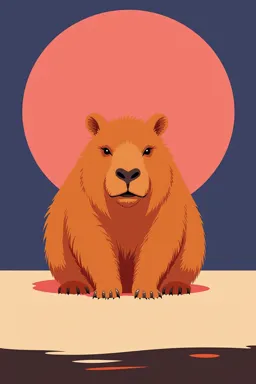
Add a clear image of the object you want to convert. Use good lighting and a simple background for cleaner edges and more realistic transparency.
 App by Félix Gil
Turn objects into glass with AI. Upload a photo, choose glass style, and generate realistic transparent renders in seconds. Try it online now.
How to use Turn objects into glass
This quick guide shows how to turn any object into glass using AI. Upload a photo, set the glass look, and generate a transparent render you can download for mockups or design.
Step 1
Add a clear image of the object you want to convert. Use good lighting and a simple background for cleaner edges and more realistic transparency.
Step 2
Choose a glass style and adjust transparency, refraction strength, and specular highlights. Fine-tune the look to match product renders, surreal art, or branding.
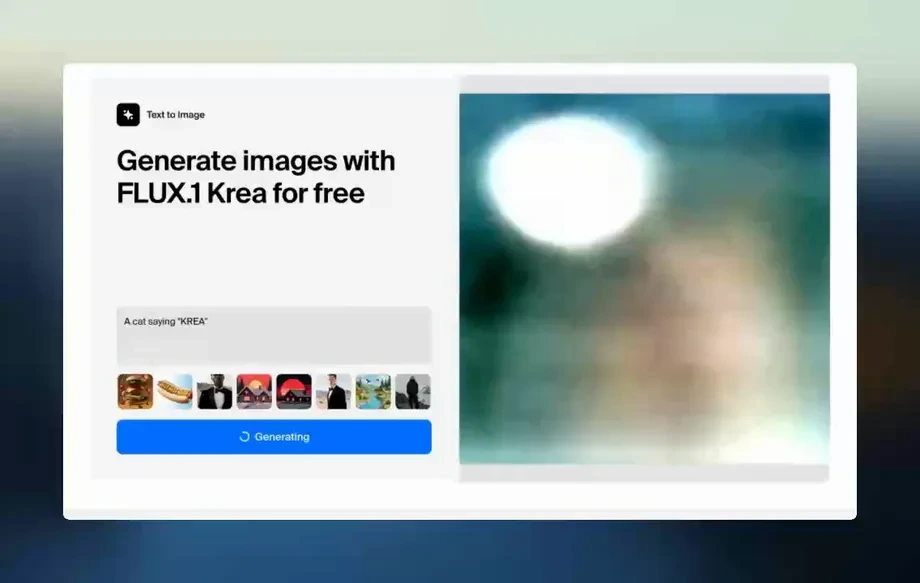
Step 3
Run the AI generator to create the glass version. Review variations, pick the best result, then download your image for presentations, ads, or further editing.
Features
Turn objects into glass with realistic transparency, reflections, and refraction. The tool preserves the object’s silhouette while adding convincing glass material cues for product visuals and creative edits. Generate multiple variations quickly, then export results ready for design workflows and online publishing.
Create convincing glass surfaces with natural highlights, edge glow, and refraction depth. Get a premium transparent look that reads as glass across different objects and angles.
Generate multiple glass versions in seconds to compare clarity, tint, and reflectivity. Quickly iterate until the transparency and sheen match your product shot or concept style.
Dial in frosted, clear, tinted, or stylized glass with simple controls. Maintain the original object form while changing the material for mockups, ads, and creative compositions.
About
Turn objects into glass with a fast AI glass effect generator for photos and product shots. Upload an image, choose transparency, refraction, and highlights, then generate realistic glass materials while keeping the original shape and details. Ideal for clean mockups, concept art, and striking marketing visuals—right in your browser.
Get realistic glass materials without complex 3D workflows. The AI adds believable transparency, refraction, and highlights while keeping your object recognizable. Generate variations quickly, control the style, and export assets that fit product marketing, branding, and creative design needs.
Open the tool, upload a photo, and pick your glass look. Adjust transparency and refraction, generate a few options, then download the best result for your project.
Use cases
Discover how different creators use this app in their workflow.
Turn packaging, bottles, and objects into glass for premium marketing visuals. Create clean, high-impact images for landing pages, banners, and paid ads.
Experiment with transparent materials for props and scenes. Generate glass variations fast to explore mood, reflections, and stylized refraction.
Add a modern glass aesthetic to objects used in headers and graphics. Produce consistent transparent assets for brand kits and website visuals.
Krea is one of the world's leading generative AI platforms. See what others say.
Real reviews on TrustpilotSo many AI tools out there but I always come back to Krea. It's really the one AI platform that 'just works'.
FYN
Krea's interfaces are still the best in the industry. Everything looks and feels so clean and easy to use! Imo the easiest to use gen AI website.
Lynn
Ultra fast generations. Extremely simple to use. All the latest AI models.
Daniel
KREA is the only AI subscription I have right now besides ChatGPT.

Sophia M.
Answers to common questions about turning objects into glass with AI.
It’s an AI glass effect generator that converts objects in your image into realistic glass. It adds transparency, reflections, and refraction while keeping the object’s overall shape and details.
Upload your photo, select a glass style, adjust transparency and refraction settings, then generate. Download the best variation for mockups, marketing visuals, or further photo editing.
Use sharp, well-lit images with clear object boundaries and minimal clutter. Simple backgrounds and higher resolution help the AI identify edges and produce cleaner transparent glass results.
Yes. Choose different glass looks such as clear, frosted, or tinted, then fine-tune transparency and highlights. This makes it easy to match brand aesthetics or a specific product mood.
The AI is designed to preserve the object silhouette and key features while changing the material to glass. Results vary by image complexity, but clean photos typically maintain structure well.
It’s an AI image transformation tool, not a full 3D renderer. It simulates glass cues like reflections and refraction directly on your image for fast, realistic-looking edits.
Most generations complete in seconds, depending on image size and selected settings. You can create multiple variations quickly to compare clarity, shine, and overall realism.
In most cases, yes, if you have rights to the source image you upload. Review your project’s licensing needs and ensure your inputs and outputs comply with your intended use.
Start with a high-resolution image, avoid busy backgrounds, and use strong contrast between object and backdrop. Adjust transparency and highlights gradually, and generate a few variations to compare.
Upload an image, choose a glass style, and generate transparent results in seconds for mockups and visuals.