











Step 1
Upload
Add your drawing, sketch, or line art. Crop and clean the input, then choose the subject area so the AI focuses on the right details.
Turn sketches into realistic 3D renders with AI. Upload a drawing, choose style and lighting, and export high-quality images fast. Try it now.
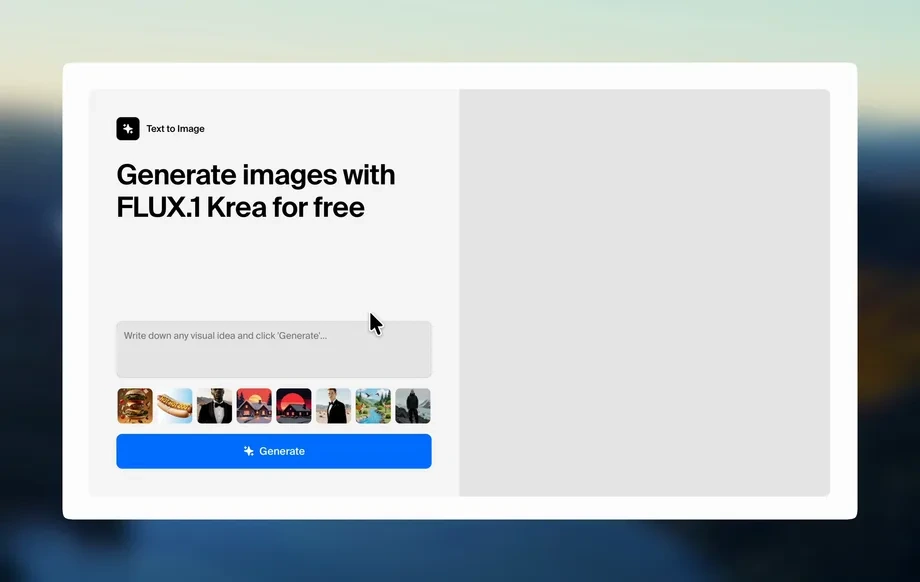
Run the app to see your first output
How to use drawing to 3D render
Follow these steps to turn a sketch into a 3D-style render using AI. Upload your drawing, set the render look, and generate export-ready results for quick reviews and iteration.
Step 1
Add your drawing, sketch, or line art. Crop and clean the input, then choose the subject area so the AI focuses on the right details.
Step 2
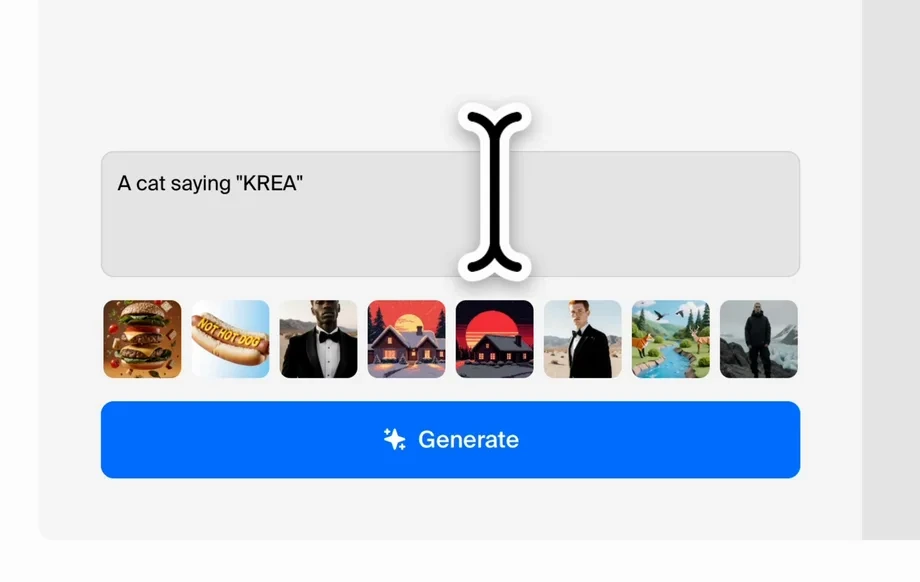
Select a render style and set materials, lighting, and background. Adjust strength to preserve lines or push a more realistic 3D look.
Step 3
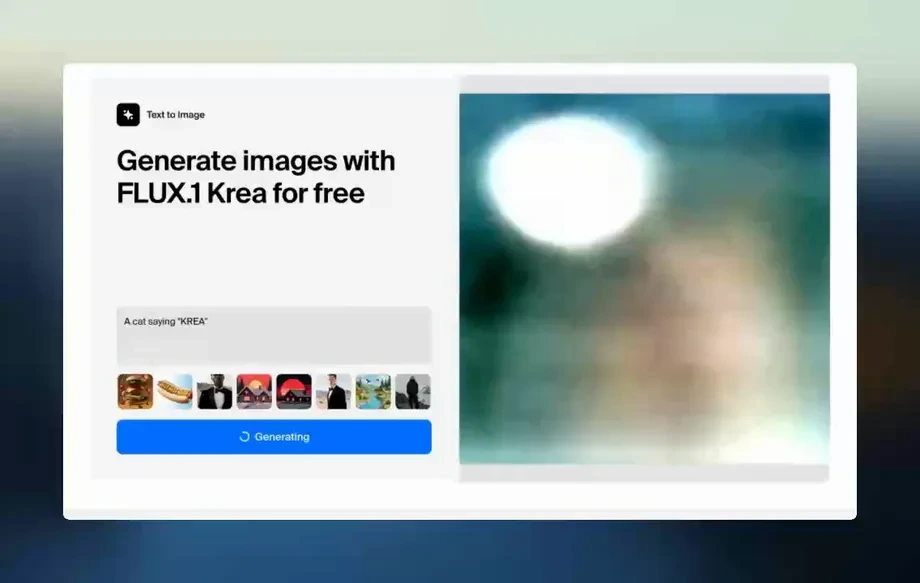
Click generate to create your 3D render. Review variations, refine settings, and download high-resolution images for decks, reviews, or mockups.
Features
Generate 3D-style renders directly from drawings with AI-powered interpretation of form, depth, and materials. Control style, lighting, and detail while keeping your original sketch readable. Create consistent visuals faster than manual rendering, with export-ready results for product, architecture, and concept art workflows.
Transform line art into realistic 3D renders with depth, shading, and material cues. Preserve key contours while enhancing surface detail for cleaner, presentation-ready visuals.
Choose render styles and fine-tune lighting direction, contrast, and material feel. Get consistent looks across iterations, from clay renders to glossy product-style finishes.
Generate multiple variations quickly, compare options, and refine settings in seconds. Export high-quality images for design reviews, pitches, and documentation without heavy 3D pipelines.
About
Drawing to 3D render converts hand sketches and line art into polished 3D-style renders in minutes. Upload your drawing, pick a render style, materials, and lighting, then generate clean visuals ready for presentations or iteration. Get consistent angles, sharper details, and faster ideation without complex 3D software.
Get high-quality sketch-to-3D renders with practical controls for style, lighting, and detail. Generate multiple variations quickly, keep your line work readable, and export images ready for reviews, pitches, and iteration—without complex 3D workflows.
Open drawing to 3D render, upload your sketch, and choose a render preset. Adjust lighting and material settings, then generate and download the best variations for your project.
Use cases
Discover how different creators use this app in their workflow.
Turn rough product sketches into 3D-style renders for quick validation. Explore finishes, lighting, and form before committing to CAD or photoreal rendering.
Convert floorplan ideas and façade sketches into rendered visuals. Test lighting moods and material directions to communicate concepts clearly to stakeholders.
Render props, vehicles, and environments from drawings with consistent style. Speed up iteration and generate options for mood boards and pitch decks.
Krea is one of the world's leading generative AI platforms. See what others say.
Real reviews on TrustpilotSo many AI tools out there but I always come back to Krea. It's really the one AI platform that 'just works'.
FYN
Krea's interfaces are still the best in the industry. Everything looks and feels so clean and easy to use! Imo the easiest to use gen AI website.

Lynn
Ultra fast generations. Extremely simple to use. All the latest AI models.

Daniel
KREA is the only AI subscription I have right now besides ChatGPT.

Sophia M.
Answers to common questions about converting drawings into 3D renders with AI.
Drawing to 3D render is an AI tool that converts sketches and line art into 3D-style rendered images. It adds shading, depth, and materials while keeping the original structure readable.
Clean line drawings, high-contrast sketches, and simple shading work best. Clear silhouettes and separated parts help the AI infer depth and materials, producing more consistent 3D renders.
Yes. You can choose render styles and adjust parameters like lighting direction, contrast, and material feel. This helps match brand visuals and keep consistency across iterations and angles.
It’s ideal for fast concept visualization and presentation images, not full 3D geometry. Use it to explore looks quickly, then move to CAD or 3D tools for precise modeling needs.
Upload common image formats like PNG or JPG and export high-quality rendered images. Outputs are suited for slides, mockups, and documentation, with variations available for quick comparisons.
Upload a sketch, pick a render style, and generate polished 3D visuals in minutes.