













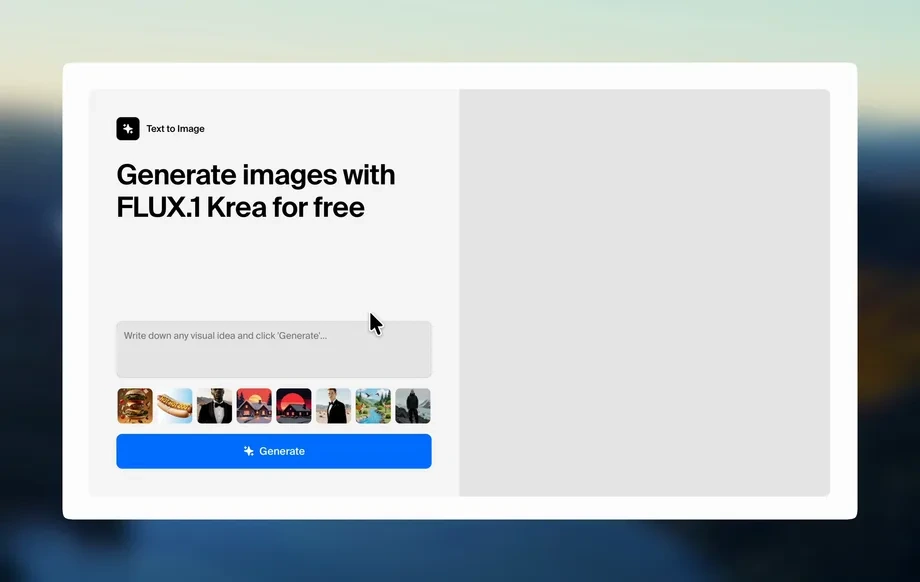
Step 1
Upload
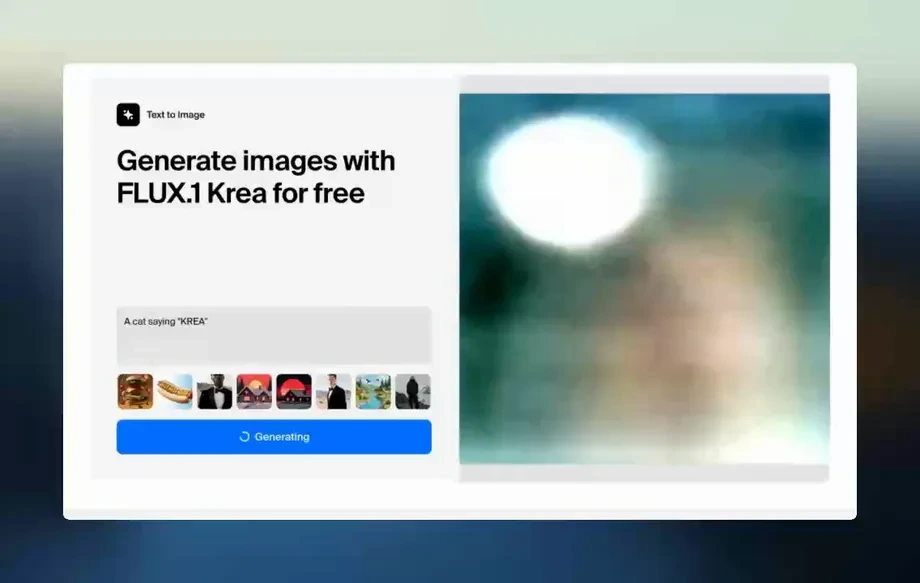
Import your depth map and confirm resolution and range. The tool reads depth values and prepares them for point placement and overlay visualization.
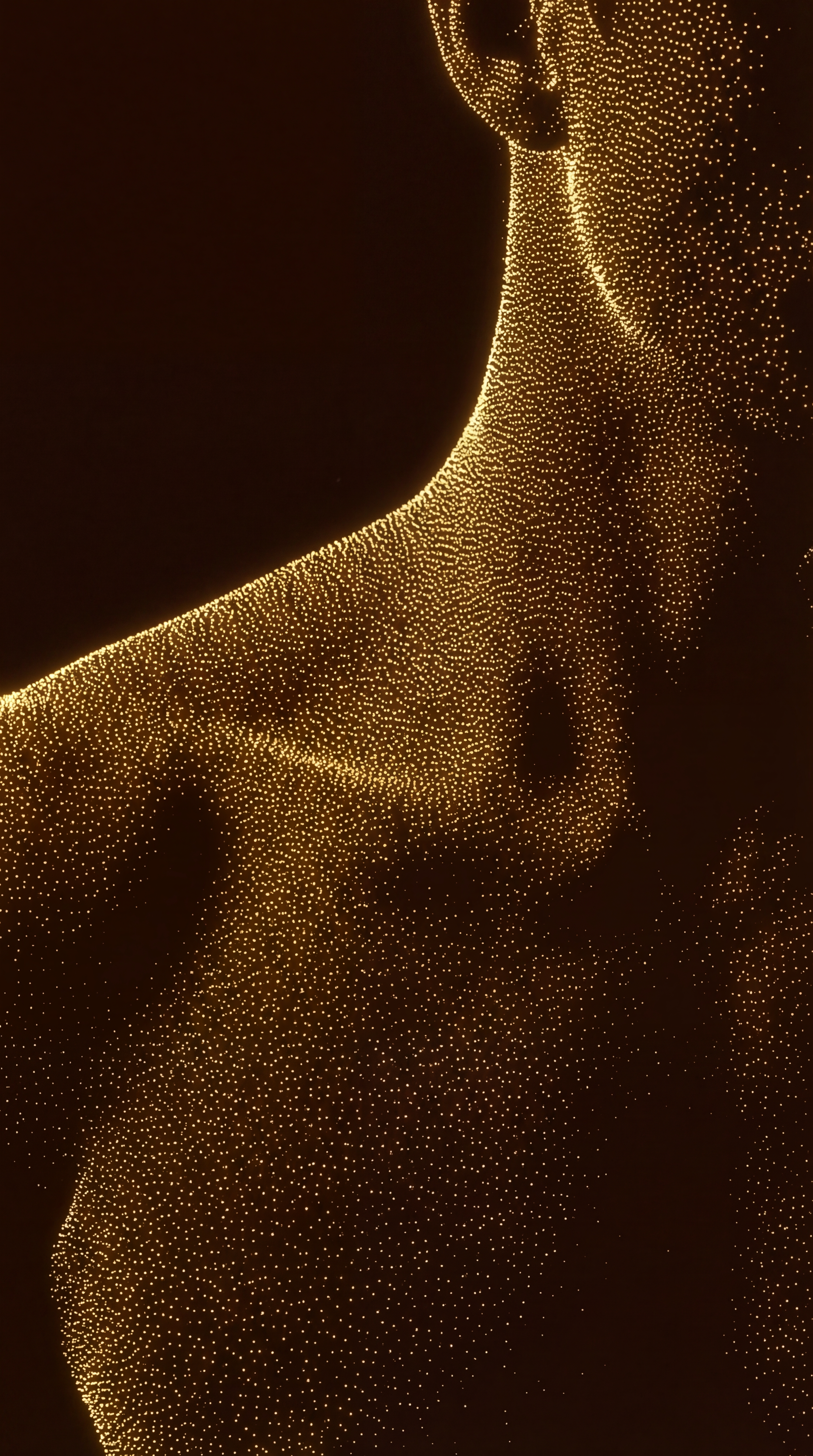
Convert depth maps into clean 3D point cloud overlays with AI. Export for compositing, VFX, and 3D workflows in minutes. Try it online now.
How to use Point cloud generator
Upload a depth map and generate a point cloud overlay for downstream compositing or 3D work. This quick flow helps you preview density, control scale, and export clean results in minutes.
Step 1
Import your depth map and confirm resolution and range. The tool reads depth values and prepares them for point placement and overlay visualization.
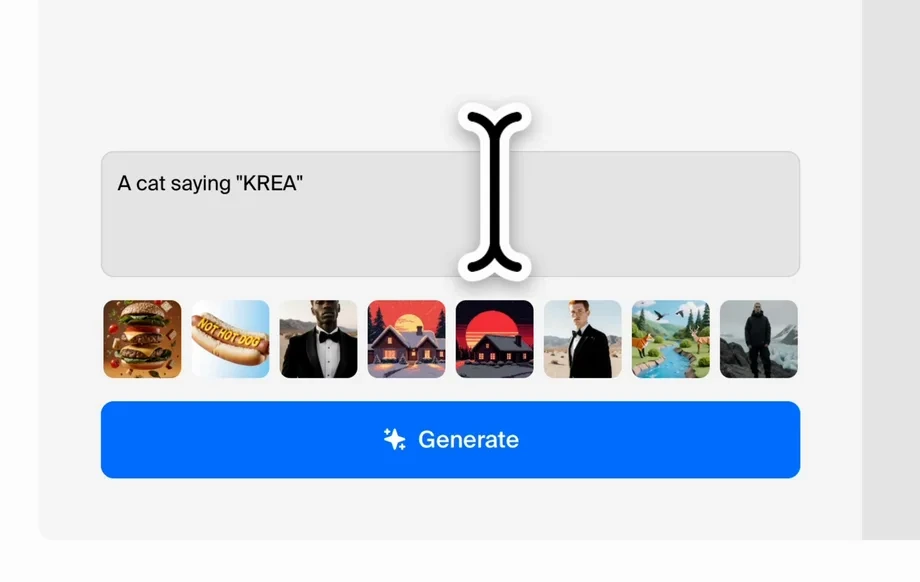
Step 2
Adjust point density, depth scaling, and clipping to remove noise. Preview the overlay to ensure the point cloud matches your scene perspective.
Step 3
Export the generated point cloud overlay in a compatible format for your pipeline. Combine it later in 3D software, VFX compositing, or motion graphics.
Features
Generate accurate point clouds directly from depth maps for fast 3D visualization and compositing. Control density, scale, and clipping to reduce artifacts and keep overlays clean. Export consistent outputs that integrate smoothly into VFX, motion design, and 3D pipelines without manual reconstruction.
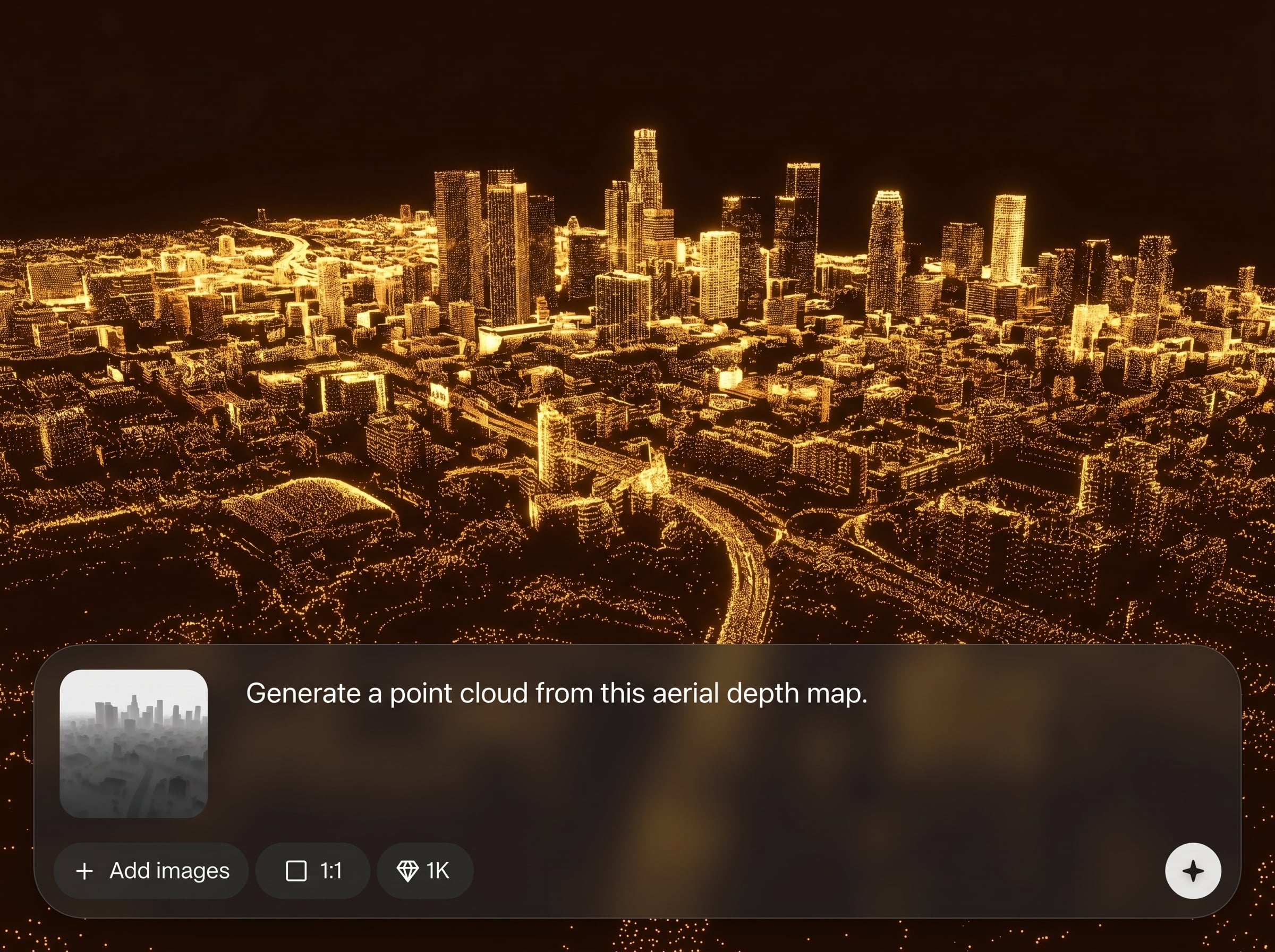
Transform depth maps into structured point clouds with a clear overlay view. Preserve spatial relationships so you can composite, align, and combine outputs later with confidence.
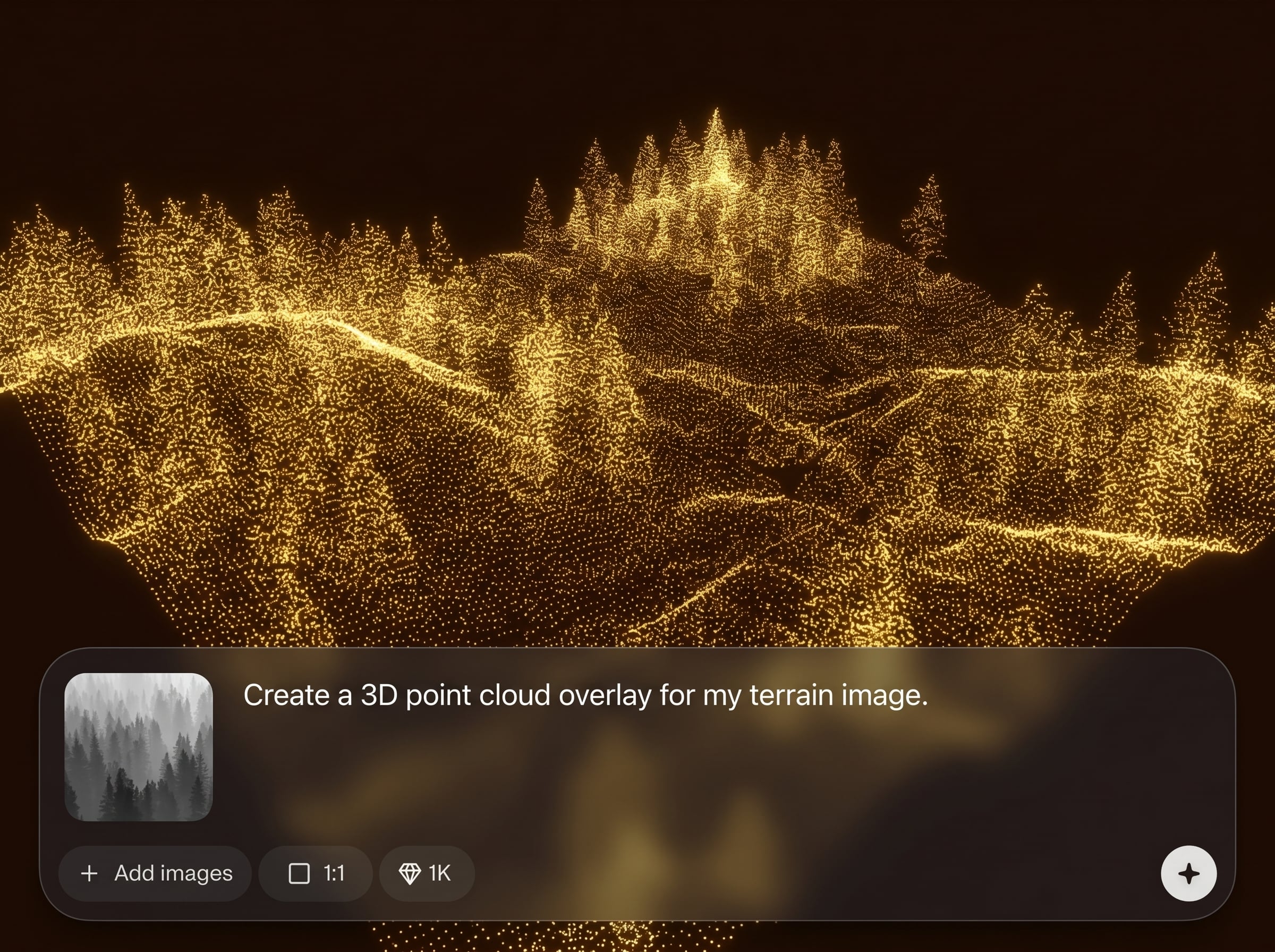
Tune point density, depth scaling, and clipping to manage noisy depth data. Create cleaner point cloud overlays that are easier to layer, mask, and integrate in post.
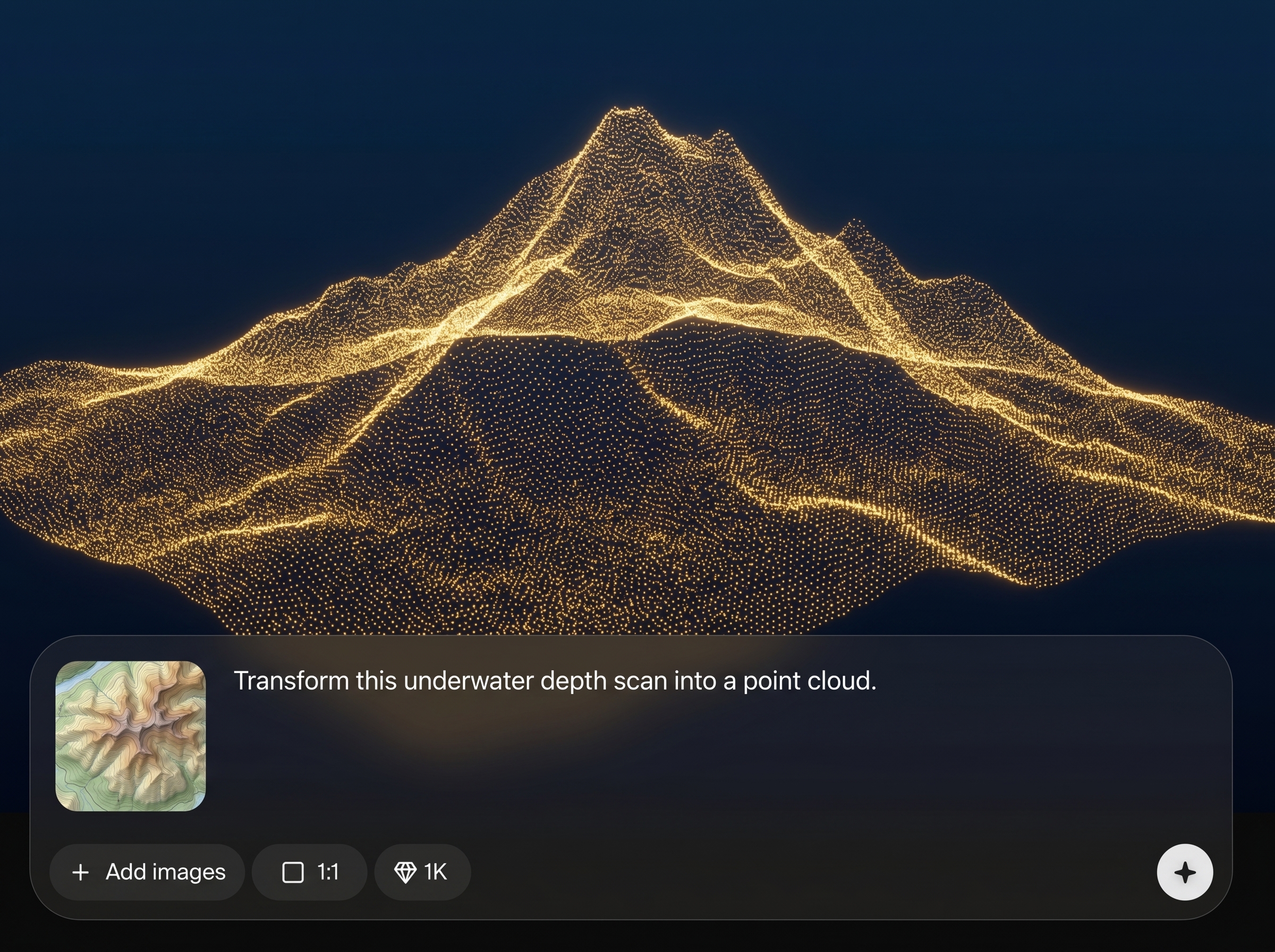
Export point cloud data and overlays in formats suited for 3D and VFX tools. Keep results consistent across shots and iterations to speed up downstream compositing.
About
Point cloud generator turns depth maps into a precise point cloud overlay you can layer into any 3D or compositing workflow. Use AI-assisted depth processing to quickly visualize spatial detail, refine scale, and prepare clean outputs for later combination. Export consistent point cloud data for VFX, motion graphics, photogrammetry cleanup, and rapid scene blocking.
Point cloud generator focuses on practical depth-to-point workflows: clean overlays, controllable density, and consistent exports. It helps reduce manual reconstruction time and makes depth data easier to use across compositing and 3D tasks. Iterate quickly, then export stable results for downstream combination.
Upload a depth map, set density and depth scaling, and preview the overlay. When it looks right, export the point cloud output and import it into your preferred 3D or compositing software.
Use cases
Discover how different creators use this app in their workflow.
Convert depth maps into point cloud overlays to guide matchmoving, depth-based masking, and spatial alignment across plates and CG elements.
Quickly visualize scene depth as a point cloud for layout, blocking, and scale checks before committing to heavier reconstruction steps.
Use point clouds derived from depth to drive particles, parallax, and depth-based transitions, then combine the overlay in your edit.
Krea is one of the world's leading generative AI platforms. See what others say.
Real reviews on TrustpilotSo many AI tools out there but I always come back to Krea. It's really the one AI platform that 'just works'.

FYN
Krea's interfaces are still the best in the industry. Everything looks and feels so clean and easy to use! Imo the easiest to use gen AI website.

Lynn
Ultra fast generations. Extremely simple to use. All the latest AI models.

Daniel
KREA is the only AI subscription I have right now besides ChatGPT.

Sophia M.
Answers to common questions about depth maps, AI point clouds, and exporting overlays.
It converts per-pixel depth values into 3D points, creating a point cloud overlay that represents scene geometry. This helps you preview depth structure and combine the result later in 3D or compositing tools.
High-resolution, low-noise depth maps with a consistent range produce the cleanest point clouds. If your depth map is banded or noisy, use density, clipping, and scaling controls to refine the overlay.
Yes. Adjust density to balance detail versus performance, and scale to match scene units. Clipping helps remove outlier depth values so the overlay stays readable and production-friendly.
You can import it into 3D apps or compositors to align elements, guide masking, or drive effects. It’s ideal for combining later with renders, particles, and depth-aware motion graphics.
Generation is optimized for fast iteration, but speed depends on depth map resolution and chosen density. Start with lower density for quick previews, then increase detail for final exports.
Generate clean point cloud overlays from depth maps and export outputs ready for your 3D or VFX pipeline.