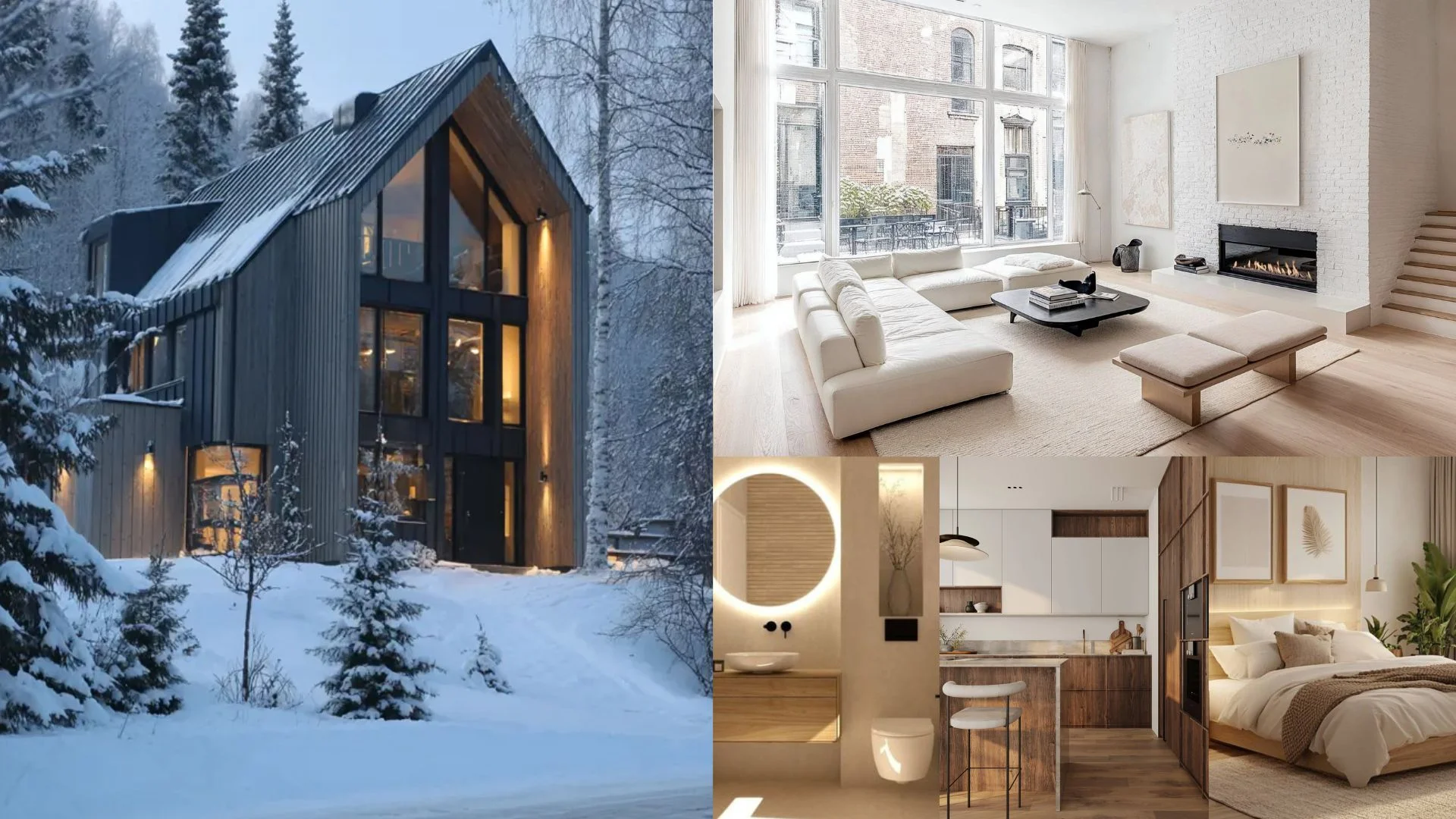
Scandinavian design is often reduced to pale wood, white walls, and IKEA. Many try to incorporate shaped textiles, ceramics, and lighting alongside furniture, yet copying the cues alone can leave a room looking empty instead of helping it work better.
Scandinavian design creates homes through functional simplicity, material warmth, and everyday comfort. It emerged in the early 20th century and flourished throughout the Nordic region during the 1950s. Understanding its principles helps you separate a lived-in Scandi home from lookalike minimalism or a showroom replica.
What Is Scandinavian Design?
Useful forms and honest materials give ordinary rooms their quiet beauty, creating a calm atmosphere through objects that work well. Anthony Barzilay-Freund, editorial director at 1stDibs, describes the style through its appreciation of natural materials, especially beautiful woods, and the simplicity of its forms. Scandinavia Standard similarly defines it as a clean, minimal approach that joins functionality and beauty through simple lines, light spaces, and limited clutter.
The practical test is not whether a room looks bare. Ask whether each visible choice earns its place through daily use, material quality, or the feeling it creates. A wool throw can earn that place by making a reading chair inviting; a cabinet can earn it by holding the objects that would otherwise cover every surface.
The movement became recognizable internationally when Nordic craft traditions met modern production and postwar demand for well-made household goods. During the 1930s, Danish functionalism absorbed Bauhaus ideas about form following function through architects including Poul Henningsen and Vilhelm Lauritzen. The Brooklyn Museum’s 1954 “Design in Scandinavia” exhibition introduced “Scandinavian Modern” to the American market.
That history explains the style’s particular balance. It can feel handmade and streamlined because it developed around useful things made carefully enough to live with for years, rather than decorative objects designed to fill a room quickly.
See your room in Scandi style
Turn a prompt into a calm, functional interior and iterate before you move a single piece.
Generate your roomHow Scandinavian Design Works in a Home
Layout determines storage needs, light shapes color choices, and tactile materials warm clean-lined furniture. Interior designer Lindye Galloway describes the approach in Architectural Digest as intentional and approachable, with midcentury modern clarity tempered by warmth. Treat each choice as a constraint on the next, and the room becomes easier to shape.
Restraint Creates Space for Function
Clearer movement, accessible furniture, and easier daily routines result from stripped-back ornament. The movement favors clean lines, modest ornamentation, and edited surfaces over ornate details and accumulated display. Small traditional Nordic homes also made practical decluttering necessary because unused belongings consumed valuable floor area.
Breathing room has a concrete benefit: you can move through a modest living room, set down a book, or pull out a dining chair without navigating visual or physical obstacles. Empty space is not the objective. Usable space is.
Functional furniture and concealed storage make that restraint durable. Danish functionalism emphasized defined uses, adaptable pieces, and form following function. Current home-design guidance follows the same logic by recommending multipurpose or modular furniture, along with built-in or clever storage that preserves open floors and clear surfaces.
Choose the useful object before the decorative one. A storage bench can hold blankets near the sofa, a flexible table can expand for dinner, and a closed cabinet can contain everyday clutter without turning it into visual noise. Those decisions protect calm after the initial styling is over.
Natural Materials Make Minimalism Feel Human
Wood and tactile natural fibers give a restrained Scandinavian interior visual depth and physical warmth. Common choices fall into three material families: wood, such as ash; natural fibers, such as linen; and stone. Wood and natural fibers connect the room to the outdoors through grain, texture, and subtle imperfections.
This matters because a limited palette can otherwise feel flat. Pale wood against linen bedding, a wool rug under a simple table, or stone beside a matte ceramic lamp gives the eye contrast without requiring a crowded pattern mix. You can see and feel the difference, which makes a quiet room more inviting to inhabit.
Scandinavian design also favors fewer well-made pieces because durability belongs to both its aesthetic and democratic ideal. Postwar designers pursued excellent, affordable design for ordinary households while expecting quality materials and construction to age well. IKEA later distilled democratic design into form, function, and affordability.
Affordable does not mean disposable in this tradition. Spend selectively on solid construction in the pieces you use every day, then let simpler textiles and accessories provide flexibility. A table that develops character over time contributes more to the room than a succession of short-lived replacements.
Light and Color Offset Dark Seasons
Scandinavian lighting responds to dark Nordic winters by extending daylight and creating gentler illumination after sunset. Monique Faber, chief design officer at Louis Poulsen, told Vogue that quality lighting became essential for cozy, comfortable environments because winter darkness can arrive as early as 4 p.m. Scandinavian interiors extend daylight with pale surfaces, minimally dressed windows, and open plans that carry available light farther through a home.
Soft off-white paint reflects scarce winter light and carries it deeper into a room. Use soft off-white, ivory, or pale gray where it will reflect the light your home receives. Heavy drapery can defeat that work, while sheer linen keeps privacy possible without making a window feel sealed off.
Multiple lamps turn a bright minimal room into one that works after dark. The lighting philosophy favors several small islands of light rather than a single overhead source. Poul Henningsen’s PH lamps, first introduced in 1926, show why lighting became one of the movement’s landmark contributions: the fixture itself manages light as part of the room’s comfort.
Place light where life happens. A pendant can define the dining table, a floor lamp can support the sofa, and a table lamp can make a bedside surface useful. These pools of illumination create intimacy without filling the room with more furniture.
A muted palette succeeds when texture does the visual work that busy patterns and many colors would otherwise do. Scandinavian palettes group into light neutrals, earthy darks, and muted cool tones, with stronger accents used sparingly. Texture adds warmth through three restrained layers: sheepskin and mohair provide plush softness, chunky knits deepen tactile interest, and natural wood contributes visible grain.
Use neutral foundations and one or two muted accents as an editing rule. A muted blue cushion or green plant can carry color through a room, while linen and wool keep the palette from reading as cold or unfinished.
Comfort Keeps the Room From Feeling Sterile
Hygge and lagom keep Scandinavian restraint connected to everyday comfort. Hygge brings everyday coziness and sociability into a room, drawing on the Danish ideal of comfortable conviviality and contentment in daily moments. Lagom favors a balanced amount of comfort, furnishing, and decoration. In Swedish life, lagom expresses “just the right amount,” grounded in balanced harmony.
Together, these ideas provide a useful filter for decorating. Comfort centers on the places people use together: a blanket within reach, a plant nearby, and soft lighting that makes seating feel inviting. A chair needs somewhere to rest a book and a drink; it does not need six cushions that make it hard to sit in.
Landmark objects show that functional clarity can still be expressive. Arne Jacobsen introduced the Egg chair in 1958, while Alvar Aalto’s furniture and Savoy vase reflect a human-centered, nature-inspired organic modernism. The Lunning Prize, founded in 1951, recognized emerging Nordic designers including its first winners Hans Wegner and Tapio Wirkkala, helping build the movement’s international profile.
An accessible chair or pendant can carry the same principles through a distinct silhouette, honest material, and purposeful detail. Look for a distinct silhouette, an honest material, and a reason for each curve or detail. A single sculptural pendant or well-proportioned wooden chair can carry personality while the surrounding furniture stays quiet.
Who Is Scandinavian Design Actually For?
Scandinavian design suits people who want a home to reduce friction and visual noise, though each household can interpret it differently. Renters can start with three removable updates: sheer linen window treatments, layered lamps, and natural-fiber textiles. They alter the room’s light and feel without requiring a renovation.
Families and small-space households benefit from durable surfaces, modular furniture, and storage that keeps frequently used items accessible yet out of sight. A low cabinet near the entry or a bench that holds toys solves a real household problem while keeping the floor usable. Collectors can take another route, using one enduring statement piece such as a sculptural chair or pendant alongside simpler supporting furniture.
The shared job is accommodating the way occupants live. A catalog-perfect room that cannot hold shoes, charge devices, or survive a family meal misses the movement’s functional premise.
Where Scandinavian Design Can Go Wrong
Scandinavian design is a Nordic movement with distinct Danish, Norwegian, and Icelandic traditions, extending well beyond minimalist interiors. Danish functionalism shows a more visible Bauhaus influence, while Norwegian traditions emphasize natural forms and durability. Icelandic design developed as a younger tradition from the 1950s onward, and its Museum of Design and Applied Art was founded in 1998.
Copying a narrow cluster of Danish midcentury cues can erase that wider Nordic range. The result often feels like a retail label, with the same chair shapes and pale finishes repeated regardless of whether they help the home work.
A room also fails the Scandinavian test when minimalism removes comfort or when “quality” becomes an excuse to buy objects with no daily role. Its cultural emphasis centers on three parallel values: durable function, simple beauty, and natural forms. Intentional rooms retain objects that support use, warmth, or material interest.
Start with editing, light, and textiles before investing in larger furniture. If an item adds neither use, warmth, nor material interest, it is unlikely to strengthen the room.
How to Start Using Scandinavian Design at Home
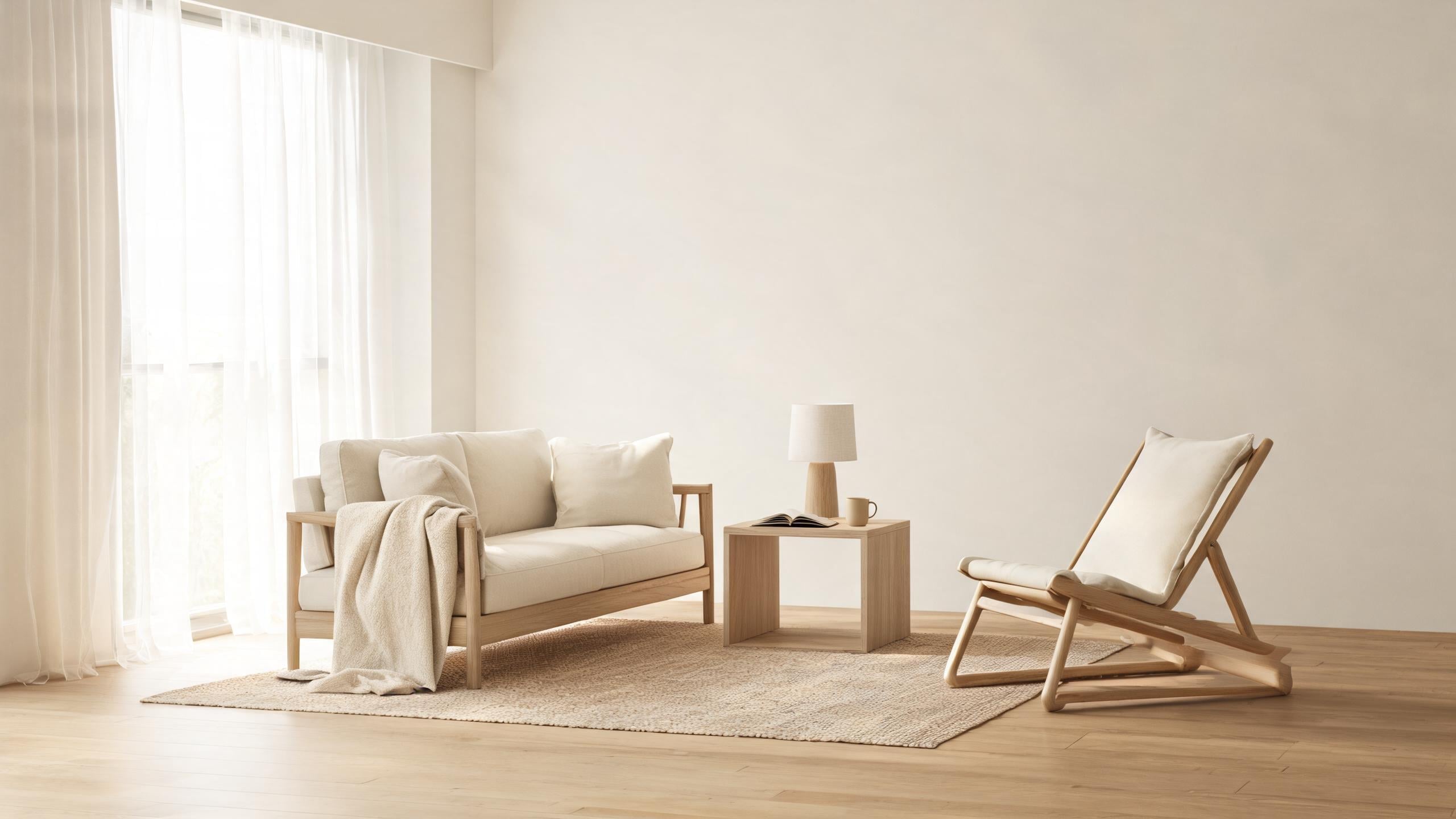
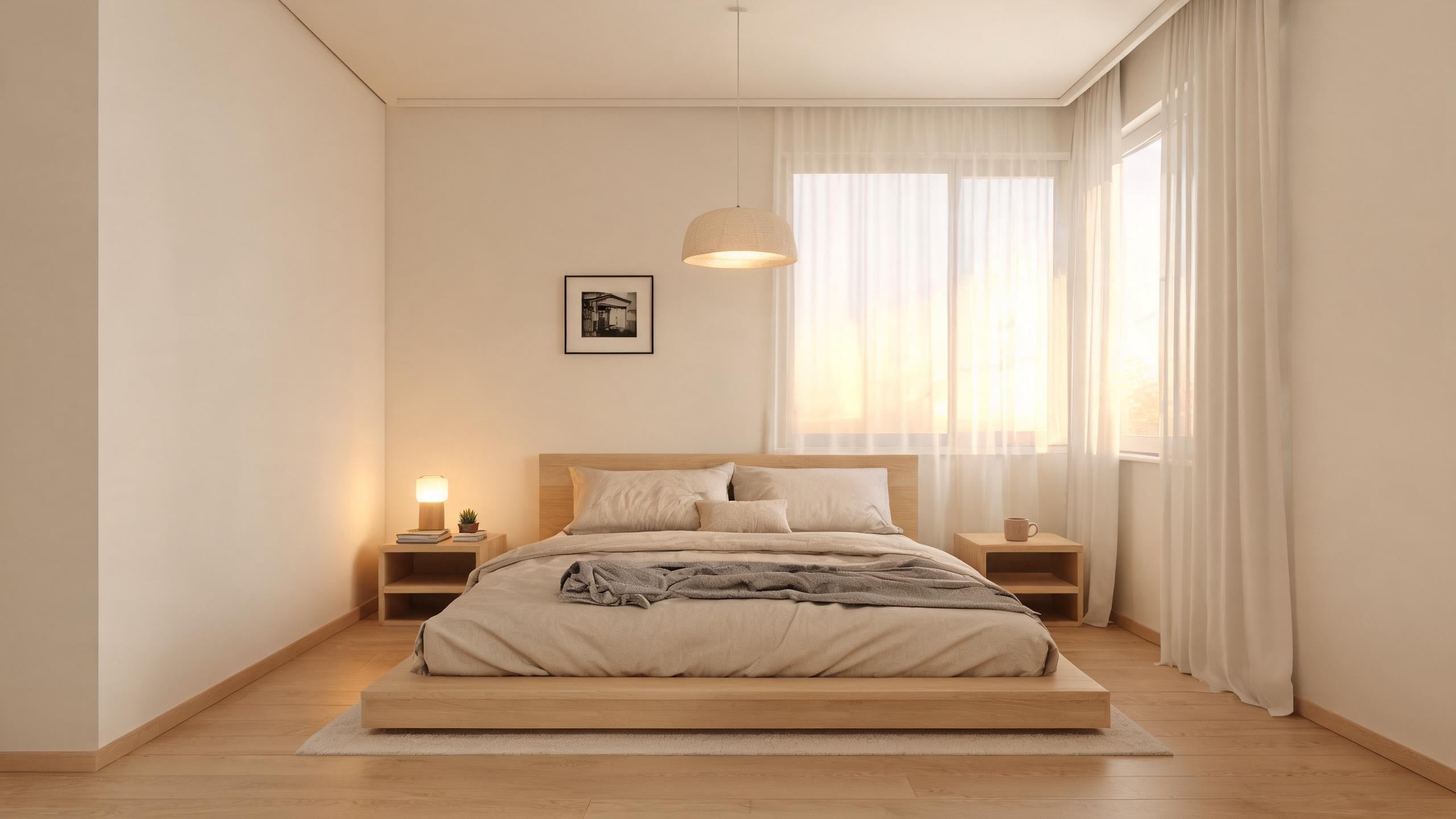
Use Krea for Architecture to get started with designing your room! Start with one room and make the largest functional and lighting changes before buying Scandinavian-style accessories. Prioritize three furnishing groups: a slim midcentury sofa with wooden-legged seating, a plush neutral rug, and a sculptural side table with throws. For a Scandinavian bedroom, choose a platform bed with light bedding and a warm throw, plus task lighting.
Choose the room that creates the most daily friction. Clear its surfaces, add one storage solution, then introduce warmth through light and texture. Clearing visible clutter first preserves surface space for the few decorative layers that add warmth and texture.
Generative visualization can help you test the principle mix before moving furniture or ordering materials. Use Krea’s image-generation workflow to visualize Scandi interiors with a prompt prioritizing clean lines, pale wood with neutral textiles, and abundant natural light. Its browser-based creative suite also includes image editing, enhancement, and asset-management tools.
Side-by-side room views reveal whether the balance of pale wood and soft textures keeps the space warm, open, and practical for daily use. Comfort stays in the brief when prompts specify layered lighting, tactile textiles, and a lived-in layout.
What Scandinavian Design Changes
Scandinavian design endures because it treats a home as a setting for daily life rather than a collection of visual trends. The global Scandinavian design decor market accounted for $22.15 billion in 2025 and is projected to reach $40.80 billion by 2032, according to Stratistics MRC’s market forecast. That scale reflects an enduring appeal for rooms that reduce visual pressure without giving up comfort.
The movement offers a durable proposition for modern homes: a room can feel calm without becoming blank, useful without looking utilitarian, and warm without overflowing. Its most convincing gesture may be the simplest one: leaving room for a lamp’s evening glow, the grain of a wooden table, and the people who use both.
FAQ
Frequently asked questions
What makes Scandinavian design different from “minimalism”?
What are the core principles of Scandinavian design for a home?
How do I keep a Scandi room from looking empty?
What materials and colors are most common in Scandinavian interiors?
Where does Scandinavian design come from historically?
Test a Scandi room before you buy
Visualize pale wood, layered lighting, and natural textiles in your own layout, then compare directions side by side.
Try Krea Image