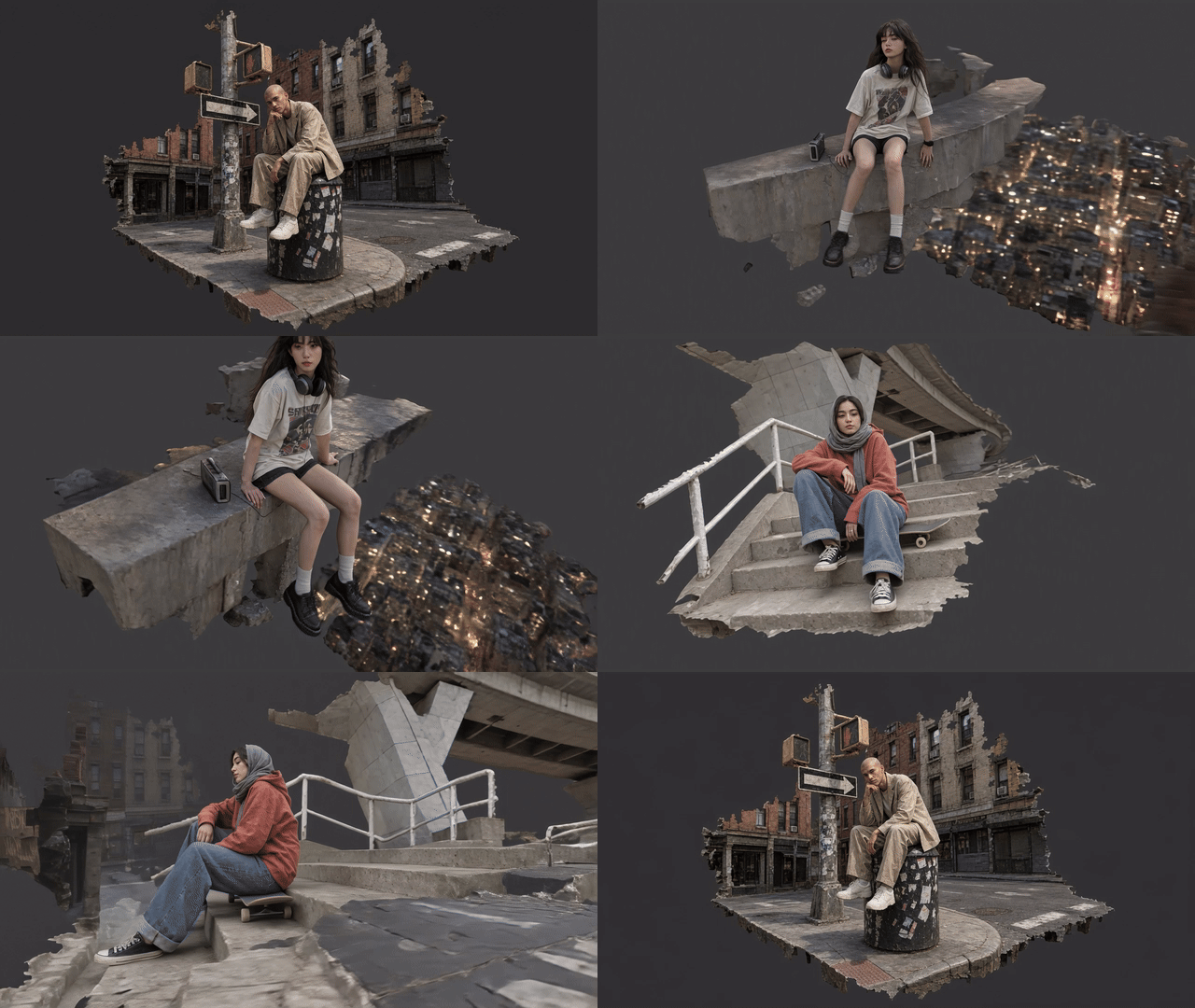
 View full size
 Built and rebuilt in under 48 hours.
- 1 flight
- Where the first skill got builtArmand built the receipts skill on the way to New York.
- 5-6 steps
- Skills written in one hotel roomBroken down the night before the event.
- ~10 min
- To spare before the eventAs reported by Armand.
This one is different
This one is different from the usual case study. Most of what runs on this blog gets built with a client, in a dedicated meeting, then written up by the Krea team. For this one, the roles switched: Armand (a producer at Systms) and Ingi (a creative at Systms) used the Krea Agent to put together their live demo for Krea’s NYC launch, then wrote up the whole night themselves. No Krea involvement.
It is honest about where agents help and where they don’t. Krea is publishing it as is, in their own words.
Here is Systms’ story.
Ingi was checking exports in the seat next to me
I was trying to turn how he works into instructions. We were on the plane to New York to present at Krea’s agent launch. Krea is a creative-first AI platform, which makes them a natural partner for a studio like ours, and they had given us early access a few days before the event. Ingi had his own pipeline open, checking exports for a new piece of content. I had the new Krea Agent.
The first question was not what we could make with it. It was whether Ingi’s way of working could survive being written down and handed to the agent, and the flight was the only free time we had to find out.
I have been a producer for nearly twenty years, at Nike and before that at Psyop, and the job has always been the same underneath the schedules and the budgets. A producer gets what is in a creative’s head out of it, under time pressure, without breaking their flow.
"The first thing I built had nothing to do with creativity. After every generation, log the model, job ID, prompt, duration, seed and resulting URL to a spreadsheet, and drop the output into a shared drive. Receipts."
It worked the first time, the skill was saved, and it ran under everything we did after.
Describe, don’t copy
Next we decided to focus on a creative work: Ingi was working on his latest content piece (Ingi on Instagram).
I took a paragraph he had written earlier for his own pipeline. How to read a moodboard for its overall feeling, what to prioritise between colour, tone and camera, and how to write a prompt so specific that the image model never needs to see the images at all.
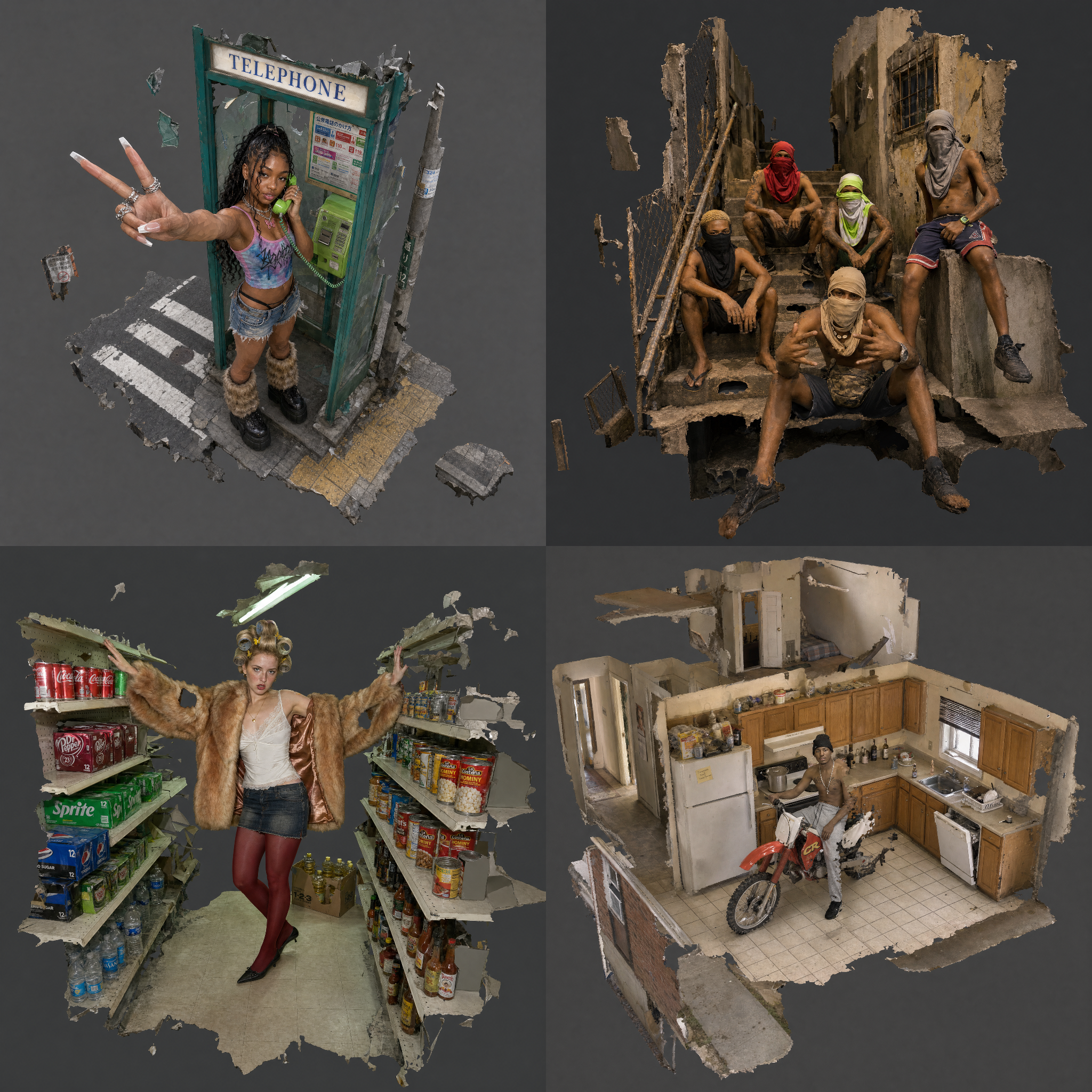
That description went into the agent untouched, with a few lines of mine around it: when to use this, when not to, what never to touch. In Krea’s agent that is a skill, and a skill is just written instructions, which means a producer can author one without an engineer in the room.
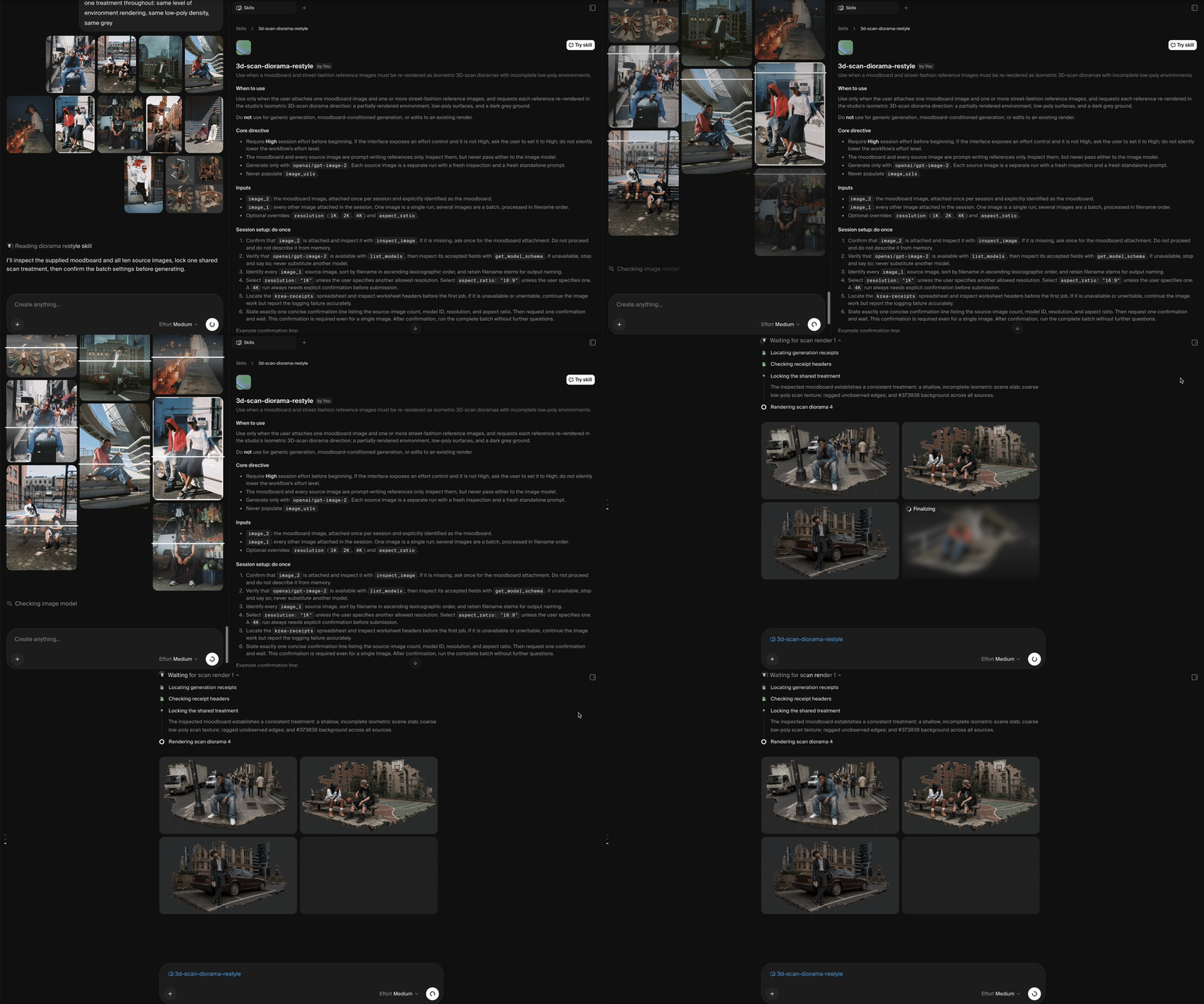
Virgin with Starlink, for the absolute win
The agent generated from his written brief while Ingi generated from his own ComfyUI setup beside me, and we passed the laptop back and forth over the Atlantic.


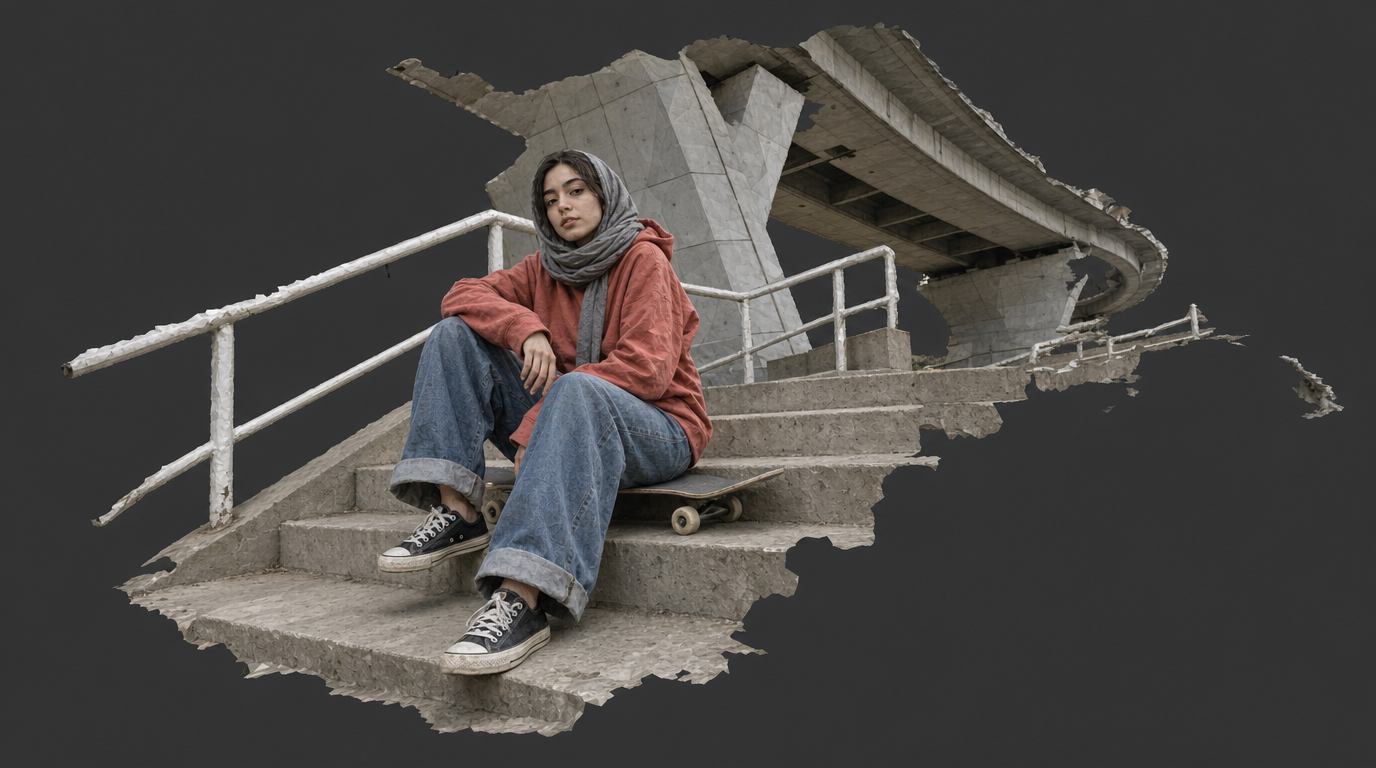
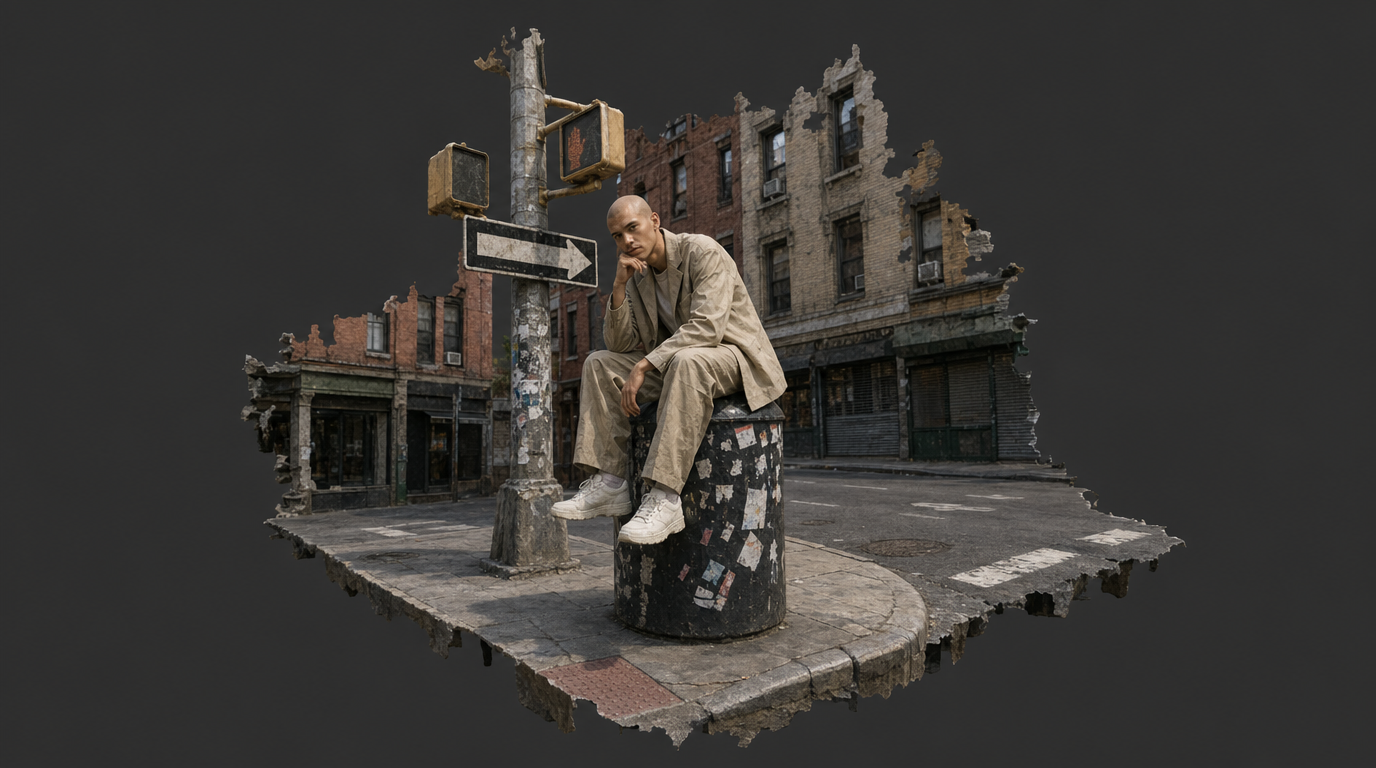
Walking back from a meeting in New York, we talked through what we could honestly show on stage. We recorded everything into Claude in real time as we spoke, so that by the time we reached the hotel we had a running order, and a list of skills to build, and very little time to make it happen.
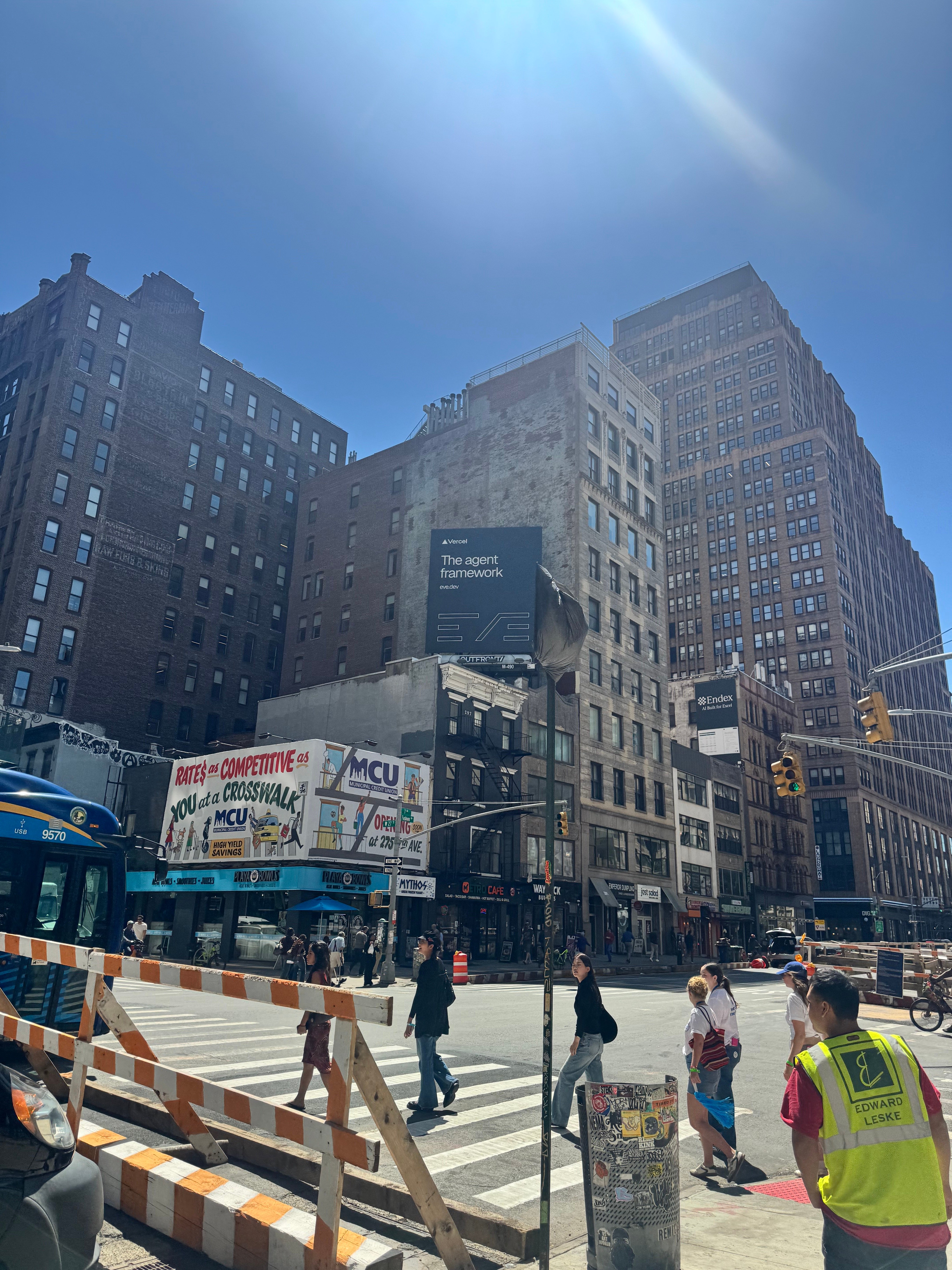
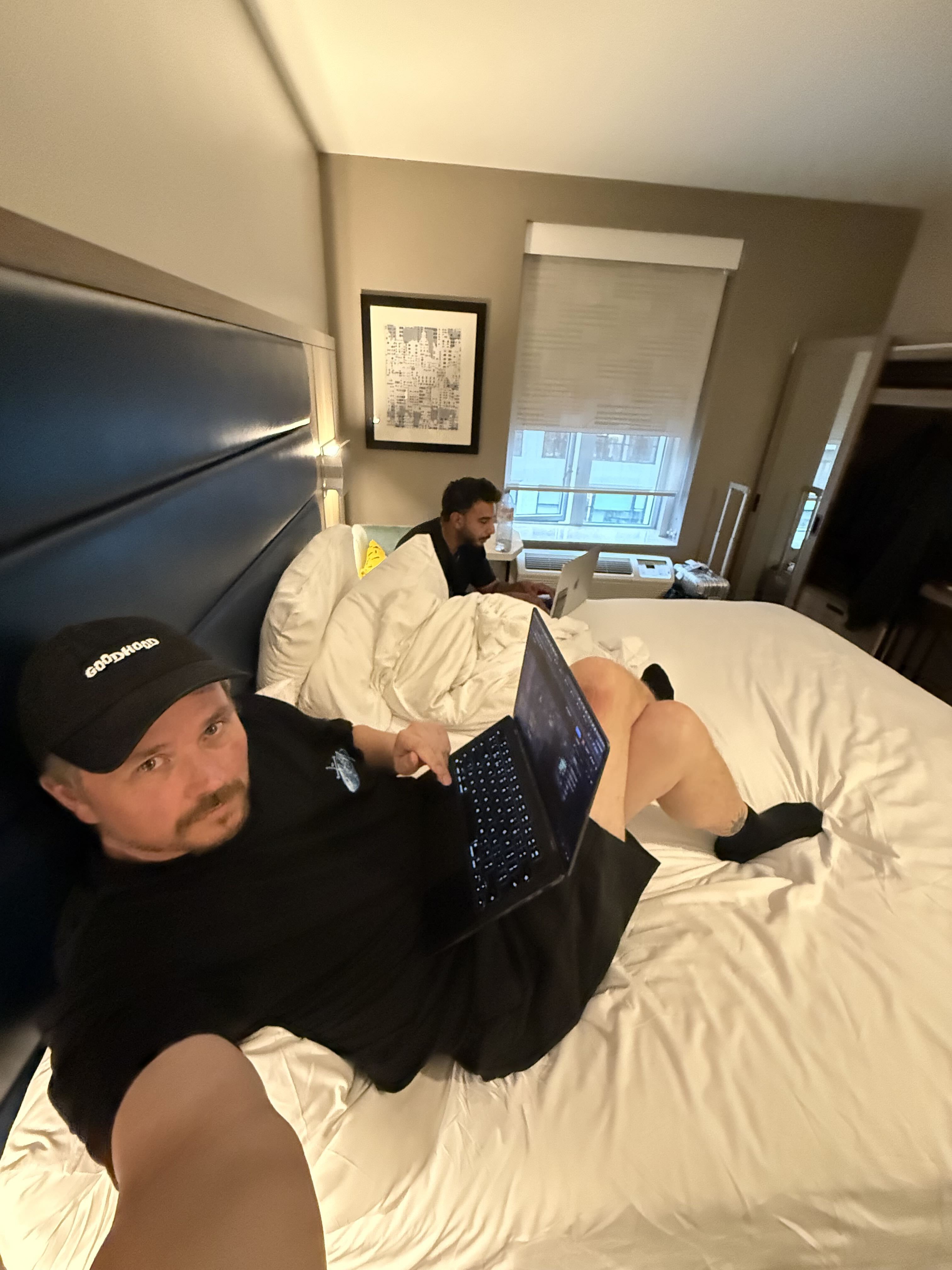
Five or six steps on paper
The breakdown happened in Ingi’s hotel room, the evening before we went on. It felt extremely old school: bundled in a hotel room with time ticking away. We had to double down. Five or six steps on paper, one question against each: does this need his eye, or is it admin?
Everything between them became a skill, and I wrote them in the order the demo needed them.
"About an hour before the show, the video model started refusing any frame with a face in it. Thankfully Krea has a ton of models, so we switched up and hoped it would hold."
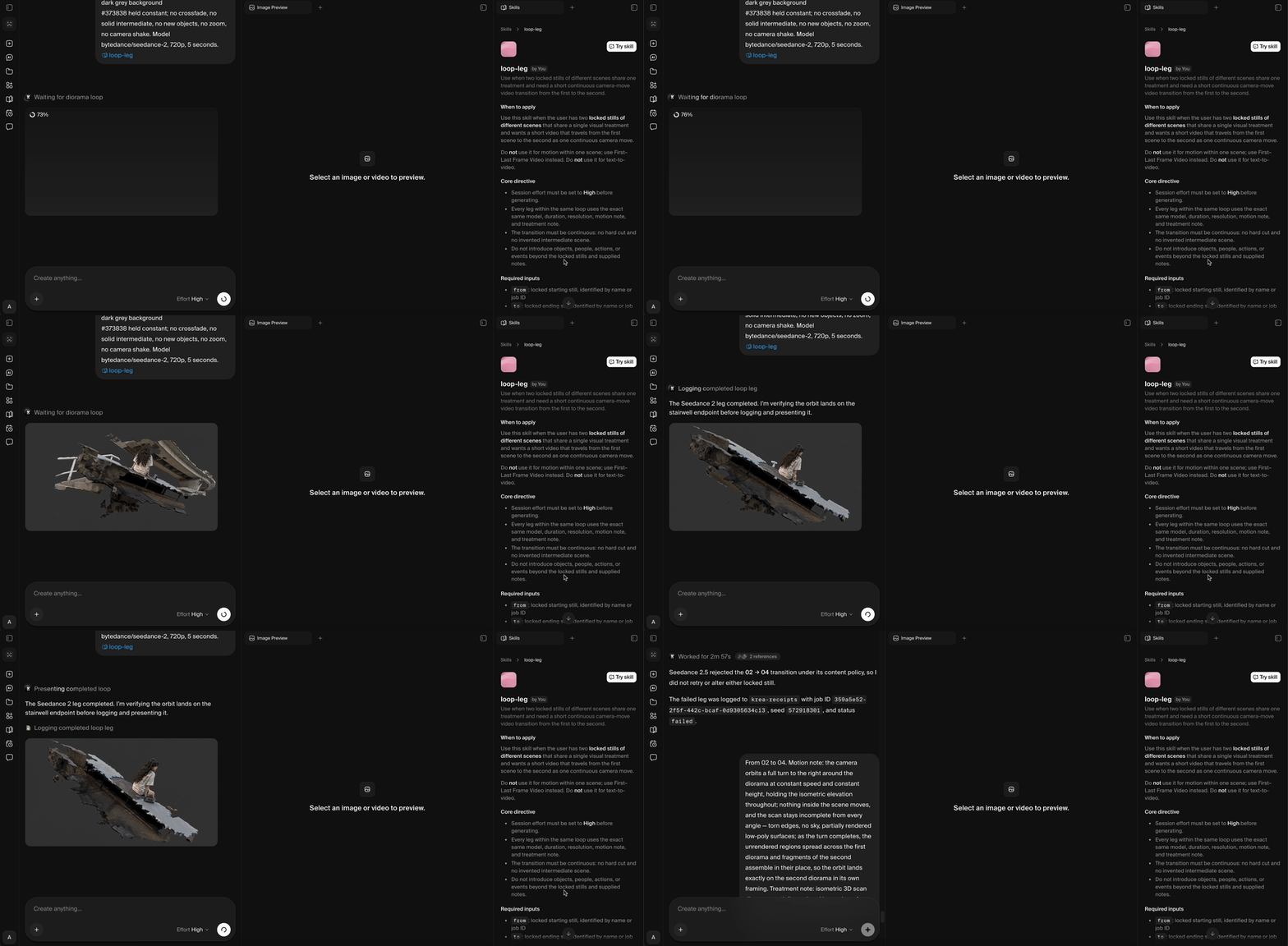
We finished with about ten minutes to spare
And walked to the event. The event was awesome, and the agent demo went down a storm.
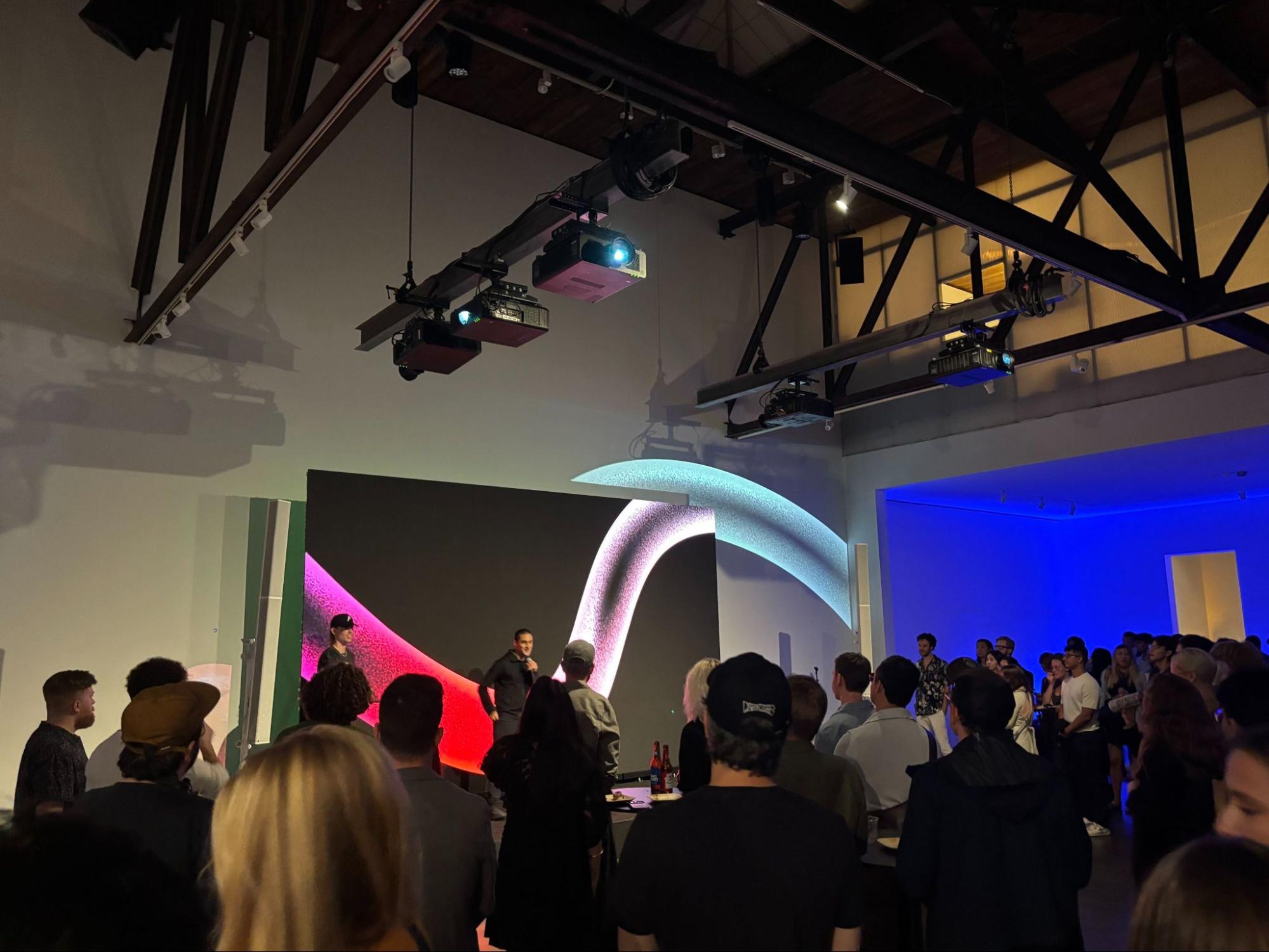
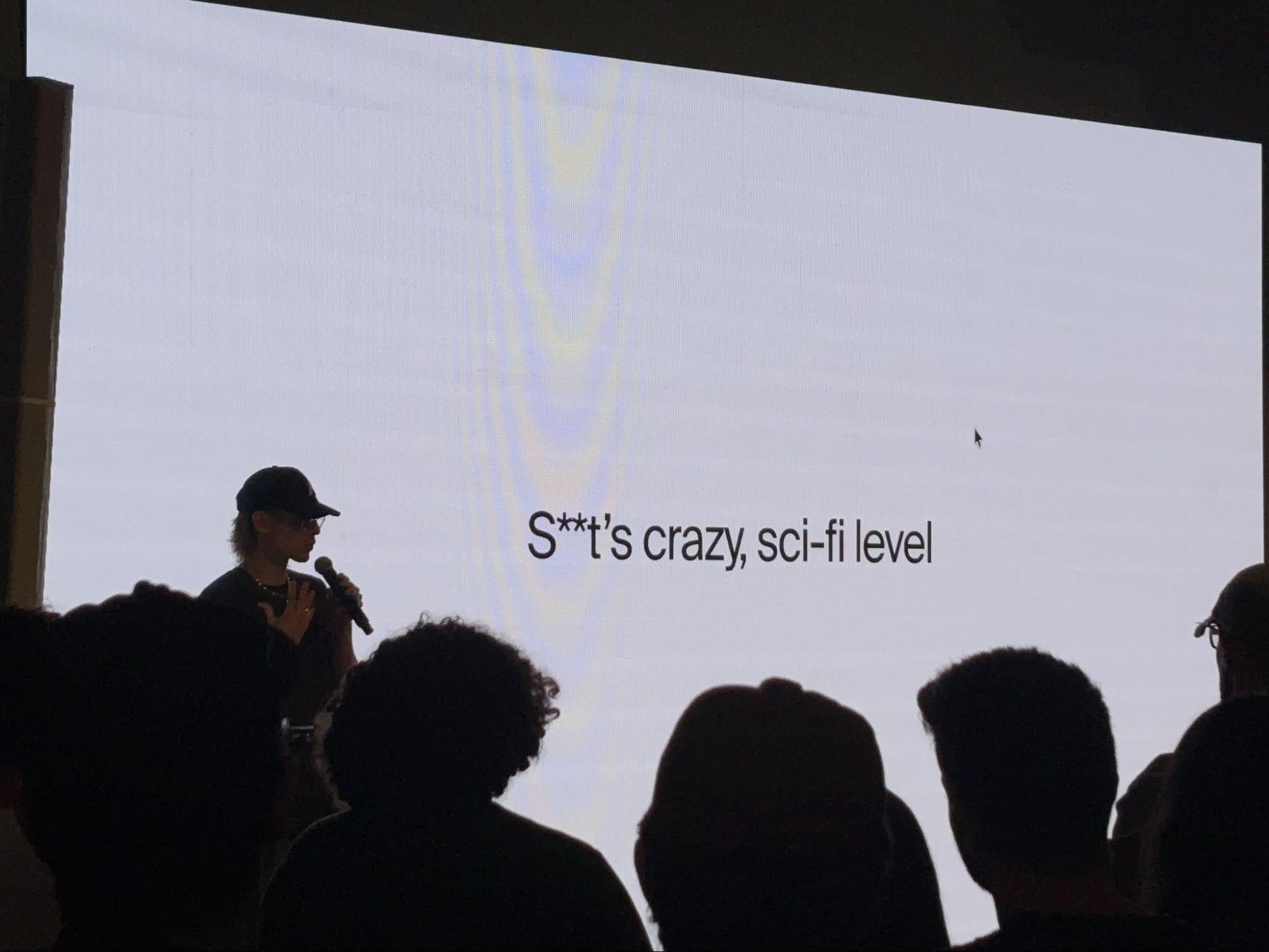
What is left is a skill waiting to be written
I think there is a limit to all this, and it is worth being transparent about it.
Agents run entirely on what can be said. So they are very good at taking a working creative practice and removing the friction from it, and much less good at inventing one. They optimize a way of working. They rarely create one. That is why the picks stayed with Ingi, and why the creative stays in the room.
Holding a process steady is something agents are already good at. The harder part happens before any of that: getting the judgment out of the person, deciding what stays theirs, and writing the rest down so precisely that a machine follows it and nothing else. That is not an engineering job. It is the job producers have always done, pointed at a new technology.
"Ask to see the breakdown: the page that shows which steps stayed with the creative and which are held by the system. If nobody can show you that page, the agents are running your creative rather than serving them."
For a brand, that changes what to ask a studio. Not which tools they use, and not how fast they are. If you make things, or you hire people who do, do not start with the agent. Start with a piece of paper. Write down how the work already happens, step by step, and mark which steps actually need someone’s eye.
What is left is a skill waiting to be written.
Curious what the Krea Agent could do for your team?
Try the Krea Agent and turn your team's process into a saved skill.
Try the Agent