How Taskin Goec rebuilds fashion’s most expensive steps with Krea.
The approach
Every collection in the fashion world runs through the same costly steps: sampling, product shoots, campaign shoots. Each stage bruns time and budget. Taskin Goec’s job is to shorten that run. Taskin Goec produces AI-powered content for international fashion houses, trains their teams, and teaches AI at universities such as Polimoda, Weißensee and HTW Berlin and his method never really changes: learn how a brand actually operates, find the steps that cost the most and repeat the most, and rebuild those around Krea. The output holds up, sometimes it even comes out sharper, and it lands for a fraction of the usual time and money.
‘There’s not one, or three, or five ways to use Krea: there are endless ways, depending on how the company works and which processes can be accelerated.’
Which means there is no template. Krea looks different in every house because it bends to how that team already works. But sit across enough of these projects and the same expensive moments keep resurfacing. Here are the ones that show up most according to Taskin’s expereience; the spots where a brand quietly loses time and money, and where Krea wins the most of it back.
1. Internal design rounds: react to a picture, not a sketch
Before: designers push a piece around internally, building technical illustrations and Photoshop mockups, reworking, and building again until it reaches a final version with a senior sign-off. Every lap adds days if not weeks.
With Krea: instead of judging approximations, the team reacts to a photoreal image that already looks like the finished garment. Sign-off arrives in fewer rounds, and the rounds are clearer.
‘It’s this new ability to visualize something exactly the way you want it - hyper-realistically - rather than doing a mock-up.‘
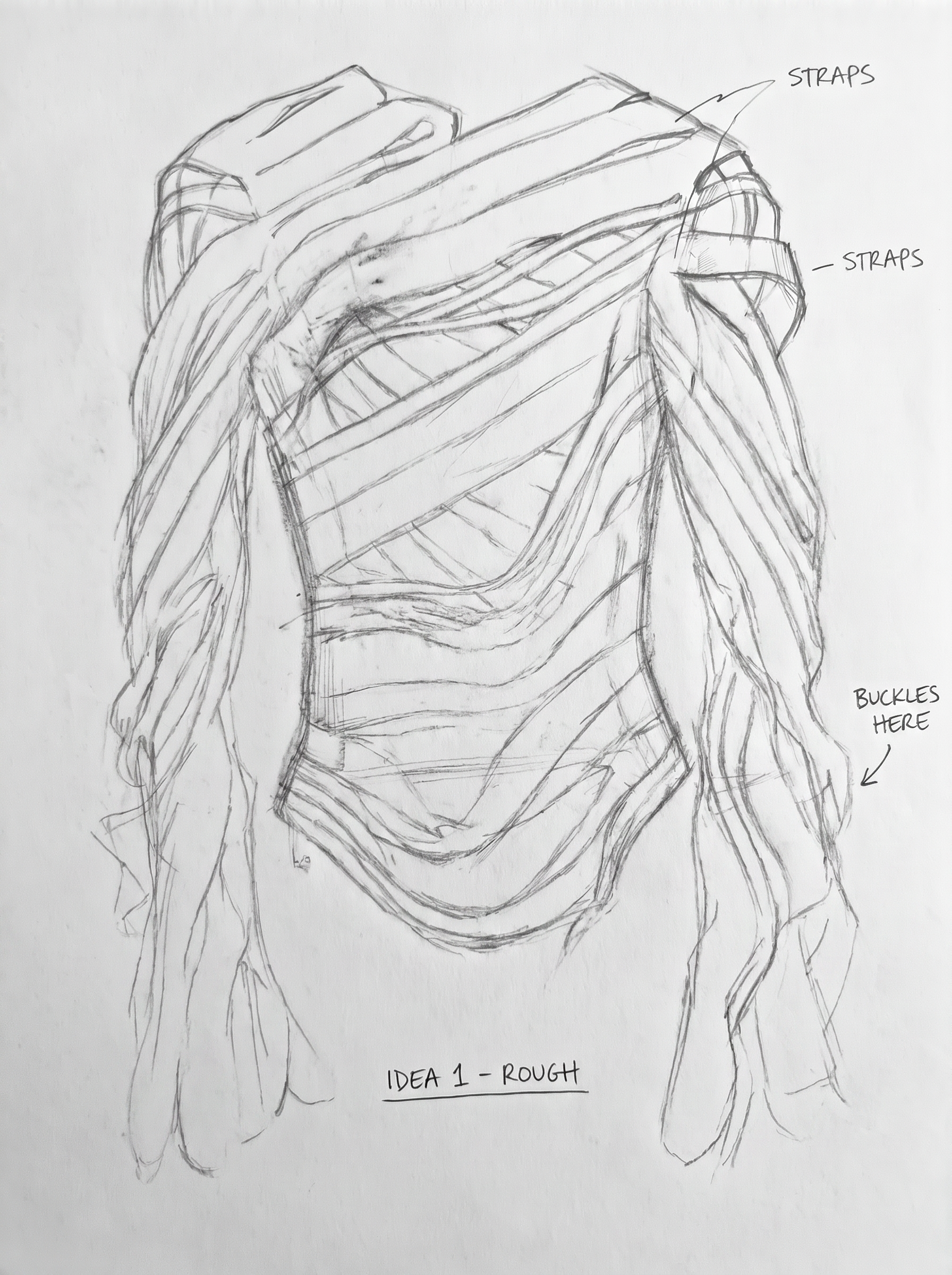
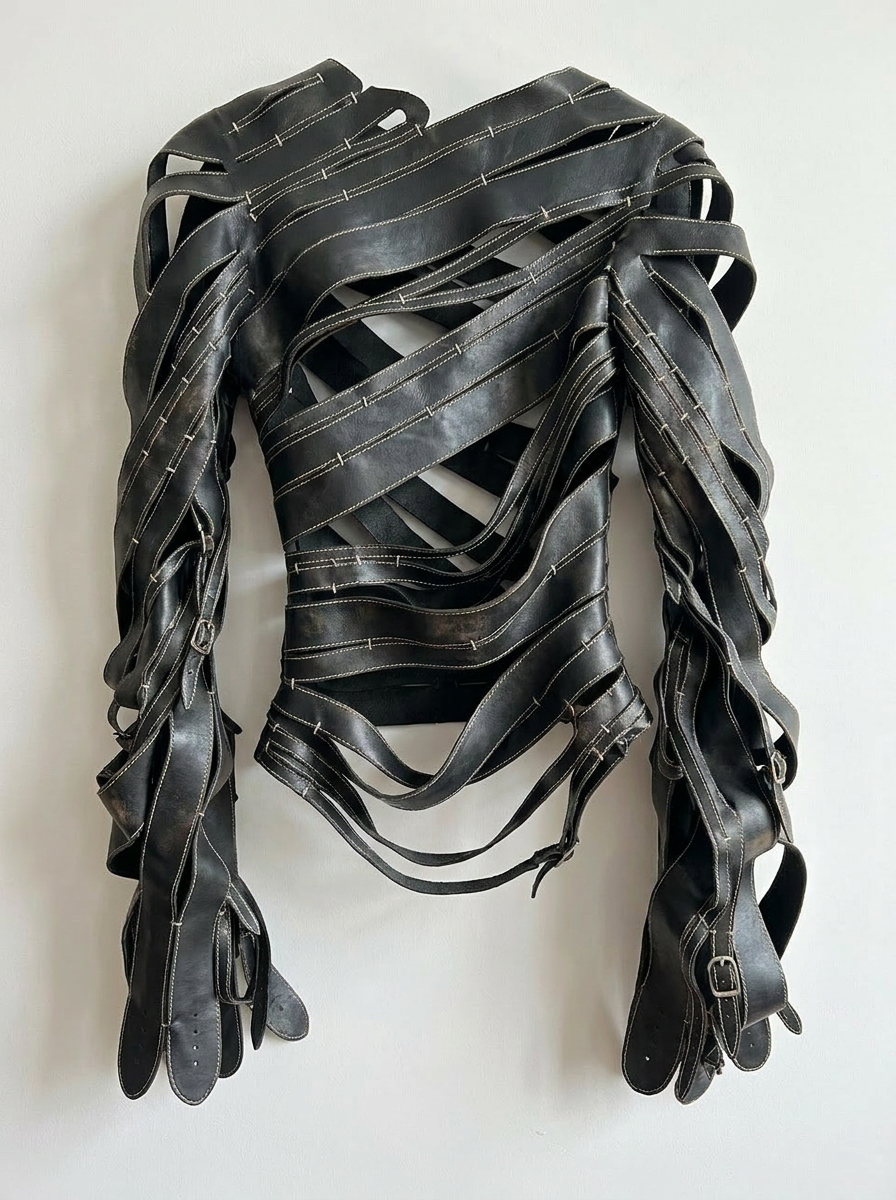
2. Manufacturer sampling: no shipping samples to fix mistakes
Before: the manufacturer receives a flat mockup or technical drawing, interprets its best approximation, and fixing it means shipping another physical sample across the world. That back-and-forth can drag on for weeks or months, and every loop has a bill attached.
With Krea: a photoreal reference leaves far less room to misread, so the sampling loop can collapse to as few as one round. Paradoxically, the end product is visualized from the very beginning.
‘If thanks to accurate visualization with Krea you can have one round of sampling instead of three, that’s brilliant. All that shipping and resampling costs a lot of money and time.‘
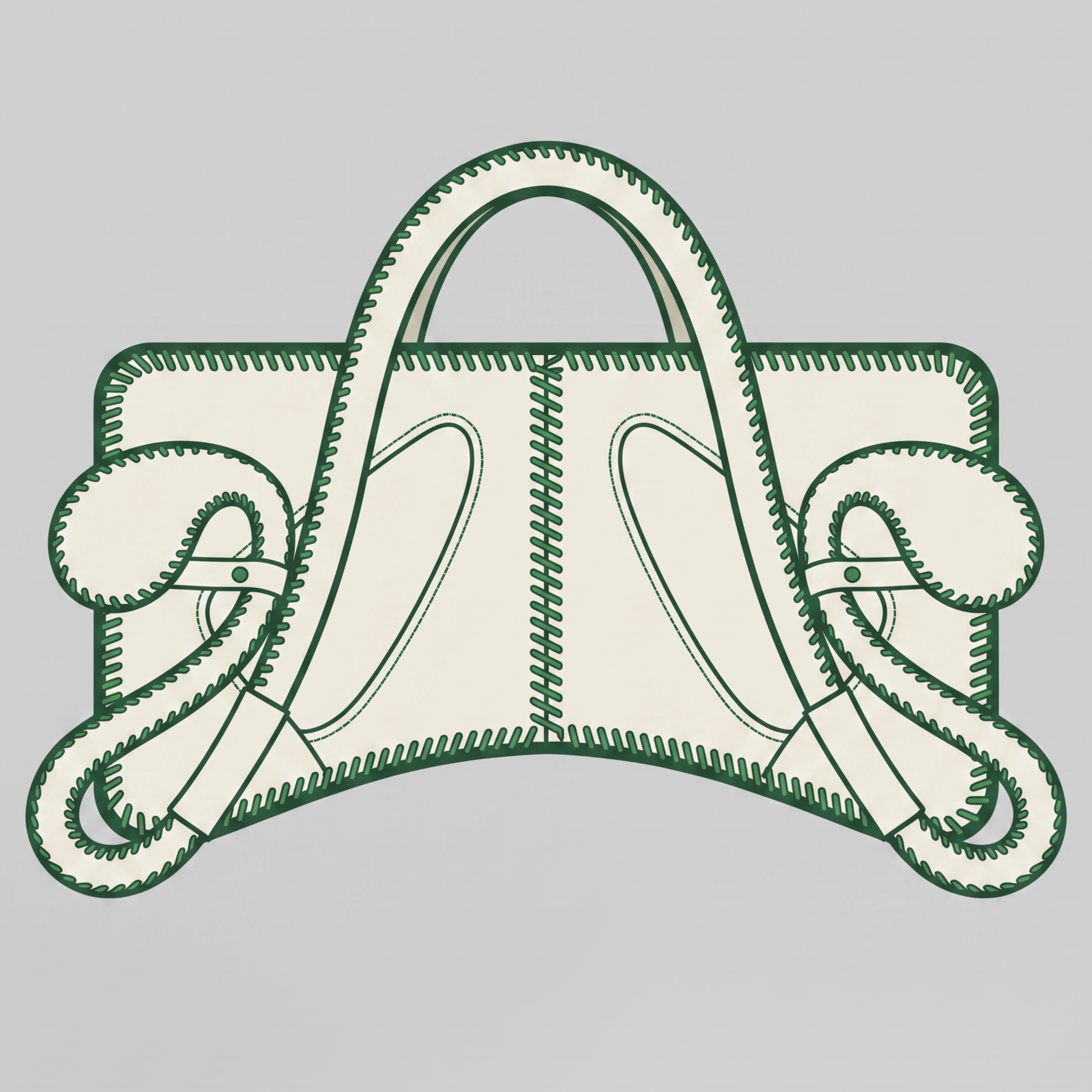
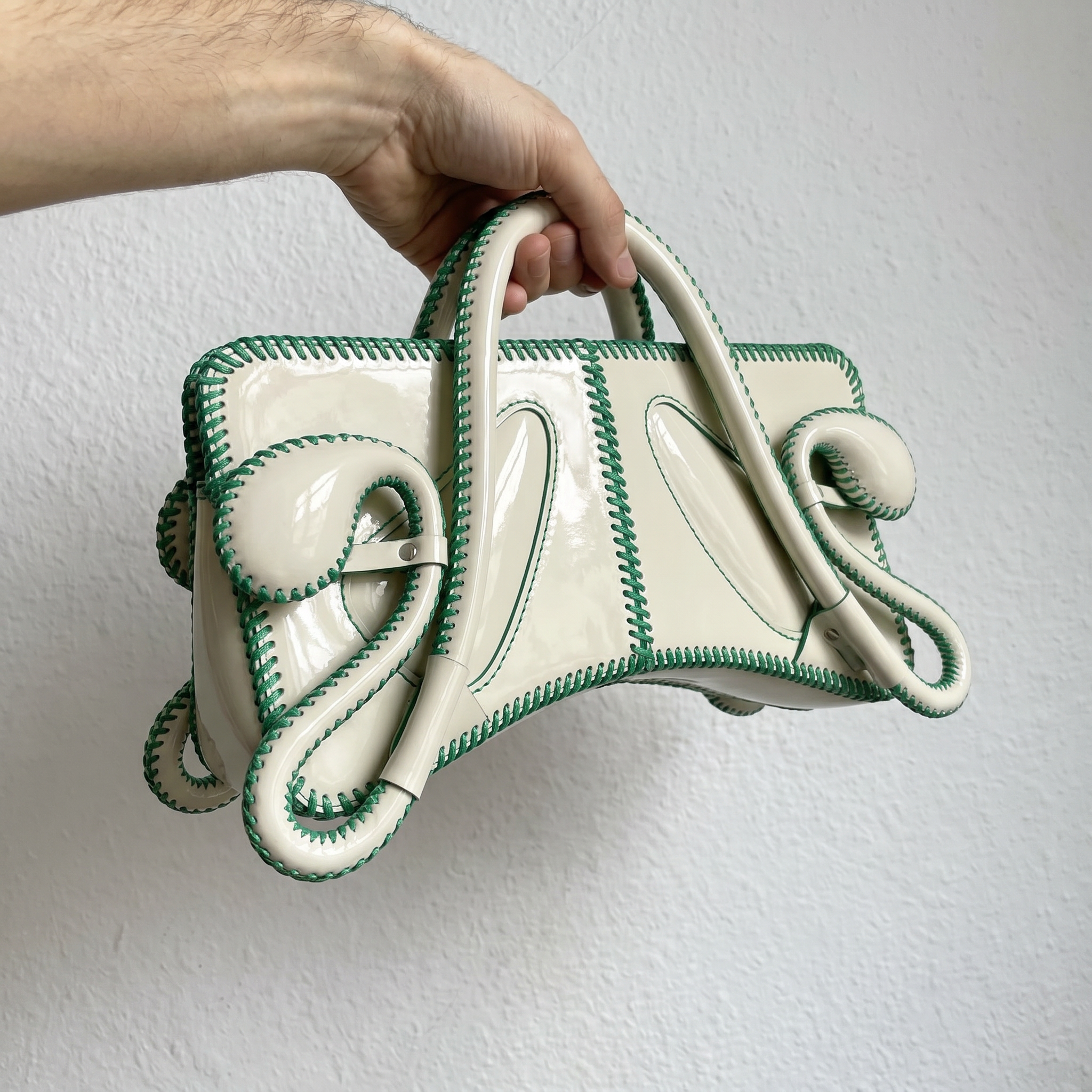
3. Ecommerce: a photoshoot in minutes
Before: a studio, a photographer, a model, retouching, and buyouts that have limited availability. Add it up and a single shoot runs into the tens of thousands, then you pay it again next season, and again when the buyouts lapse. And yet again if there is anything in the output that needs a change of perspective.
With Krea: once the workflow exists, storefront-ready and easy-to-tweak product images appear in seconds for almost nothing per image.
‘Before, you’d spend on the studio, the photographers, the retouching, the model, the buyouts. Instead, there’s a one-time cost of workflow design, and then a future opens.‘
_(1).png)
4. Campaign video: reshoots are now edits
Before: big campaign films, the sweeping cinematic kind that need scouting, permits, and a full crew on location. Then an exec changes their mind late, and moving one detail means loading the trucks and shooting it all over again (and paying for it all over again).
With Krea: the footage gets generated and tweaked without a camera, so a late note becomes an edit instead of a second shoot day.
‘When things have to be adjusted (i.e. a change of direction, a detail that can’t be used) traditionally that means a reshoot. And reshooting is super expensive.‘
_(1).png)
All in all: fewer steps, lower costs
Line the four up and it is really one move repeated: swap a slow, pricey approximation for a picture the team can act on right away, use again later and tweak at their own will. Krea owns the front of the process, where trying lots of directions beats settling for whatever a safe, default model hands you, and a high-fidelity pass polishes the final look. Because a workflow is built once and then rerun, the heavy lifting happens up front and the payoff repeats.
The result, straight-forward: shorter design rounds, fewer samples shipped back and forth, photoshoot-free e-commerce mock-ups and reshoots turned into edits.
‘Speed makes a difference. You can iterate so fast, land on the perfect visual, and just swap out the garment.’
None of this is really about buying new software. The house does the same work it always did, just faster and for a lot less.
.png)
.png)
.png)
.png)
Want to see more of Taskin’s work: @taskingoec
Curious what Krea could do for your team?
Talk to our enterprise team about building a workflow around the way your team already works.
Contact Sales