Like a bull through the wallMADE BY HUMANS × Swissquote
How MADE BY HUMANS used Krea to bring Swissquote’s iconic orange bull to life in 4 broadcast films.
A lot of firsts on one briefthe brief
Banking brand Swissquote had never run a full AI campaign, and neither had their creative agency, Cavalcade. That’s a lot of firsts stacked on one brief.
That’s where generative AI studio Made by Humans came in. Combining new technology with decades of traditional filmmaking experience, the studio was founded by commercial director and CCO Guy Soulsby alongside CEO Toby Walsham, who has led production companies for over a decade. Together, they’ve built Made by Humans to push generative filmmaking beyond speed and efficiency, using AI to unlock bigger creative ideas without losing the craft, emotion and production standards of traditional filmmaking.
Made by Humans is home to leading generative AI directors, and among them is James Lovick, a visionary AI filmmaker specialising in cinematic, high-concept storytelling, making him a natural fit for Swissquote’s brief.
The team was tasked with creating four AI-generated films centred on one of the brand’s most recognisable assets, its iconic orange bull. The challenge was making the bull feel real whilst also making sure the campaign held up alongside high-end broadcast commercials.
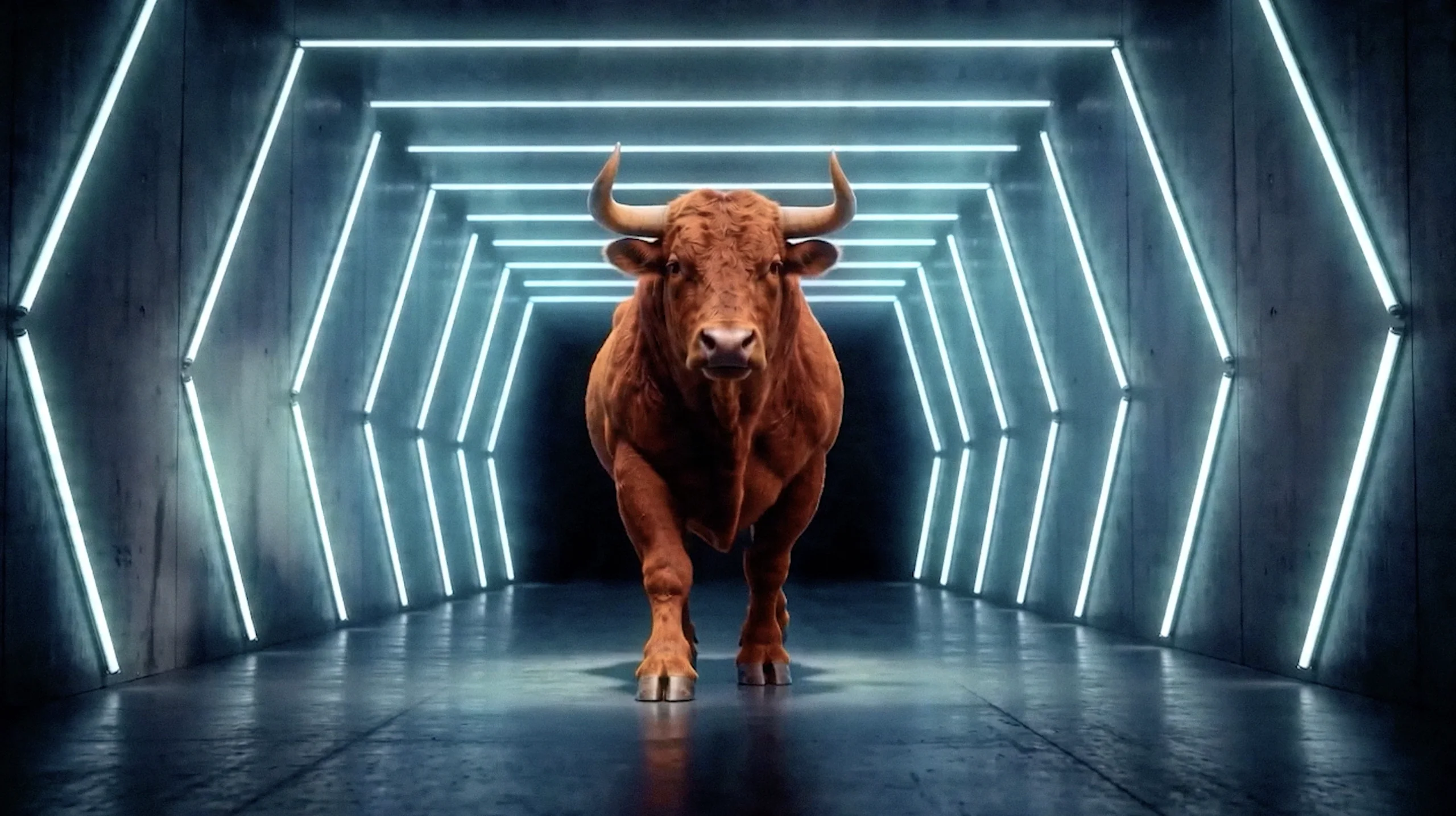
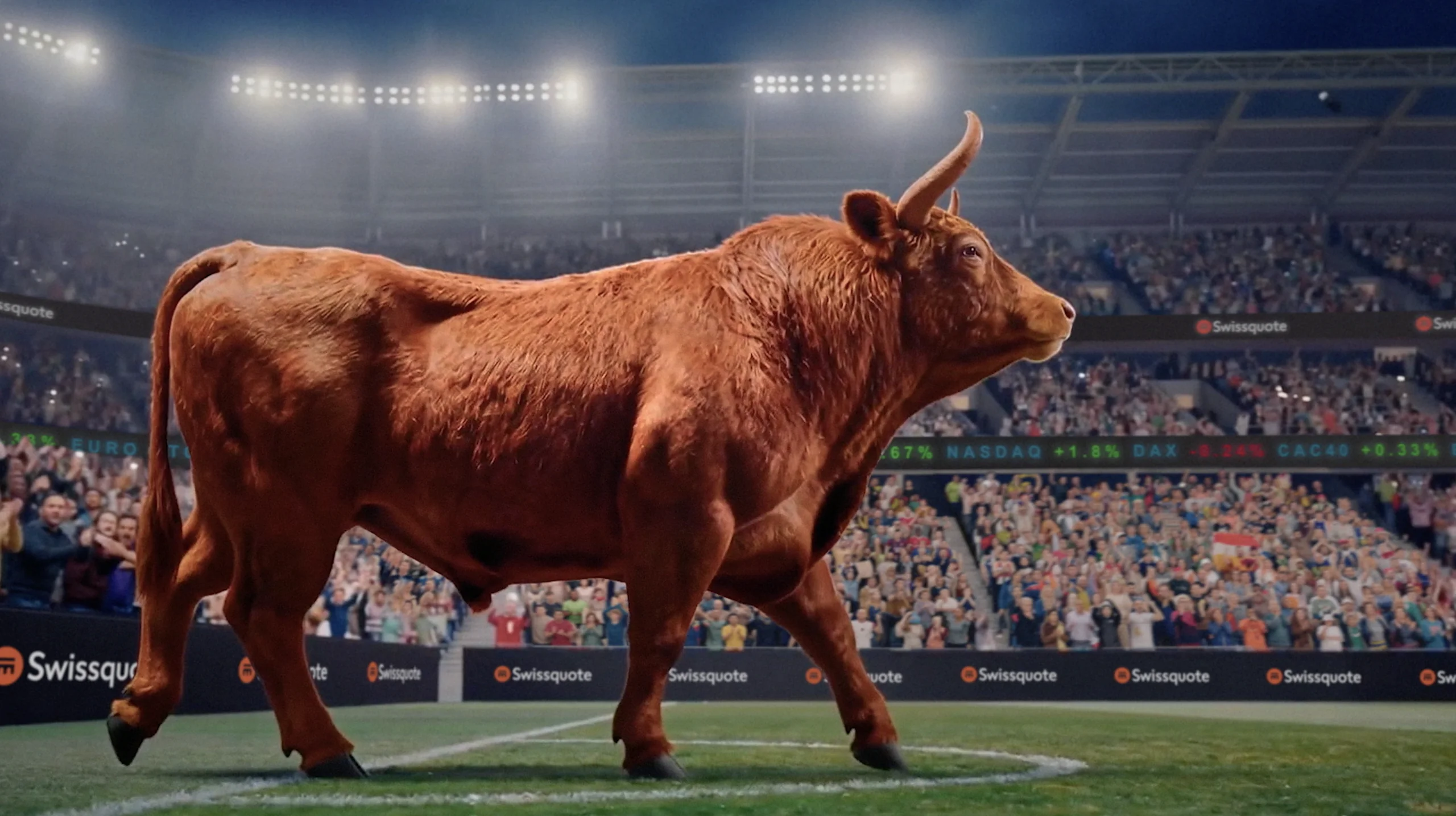
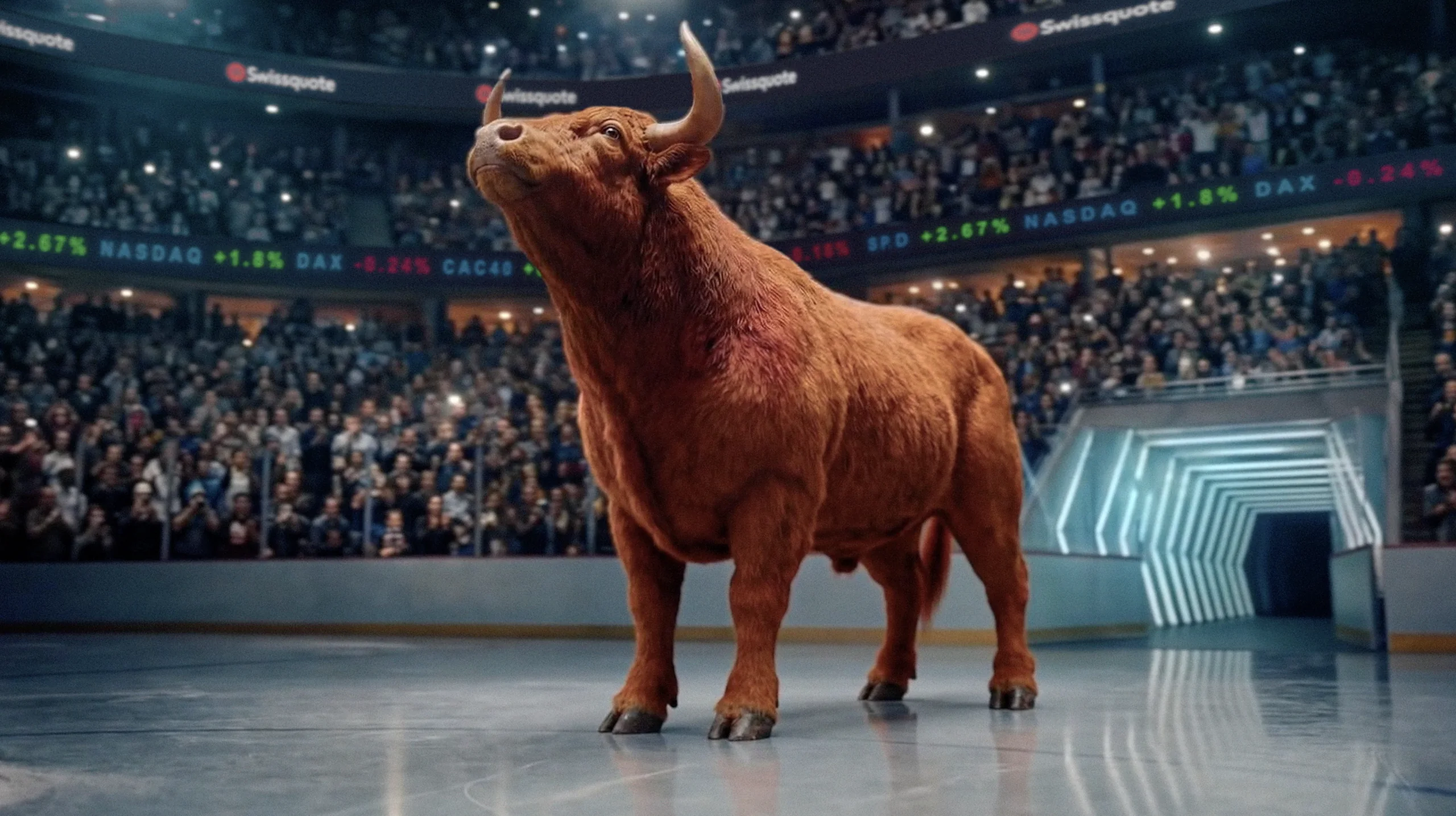
Across the campaign, the brand’s iconic bull moved between apartments, cafés, a hacker’s studio and huge sporting arenas. He interacted with human characters, walked through interiors and crashed through structures. However surreal the action became, he always needed to feel like the same character: physically believable, visually consistent and emotionally engaging.
The key: the entirety of the campaign’s generative image and video creation took place within Krea.
One ecosystem, four filmskeeping a production organised
With four films being developed concurrently, the production quickly became much bigger than generating individual images. Each film had its own characters, locations, actions, camera angles and visual challenges. Within those were hundreds of generations and iterations as ideas were explored, refined and eventually approved.
For James, one of Krea’s biggest advantages was simply being able to keep all of that development organised.
Individual characters, locations and sequences could have their own development sessions, allowing different parts of the campaign to evolve in parallel without losing the history behind them.
For James and MADE BY HUMANS Co-Founder and CCO Guy Soulsby, that became an important part of the production process.
There is no best modeljust the right one for the shot
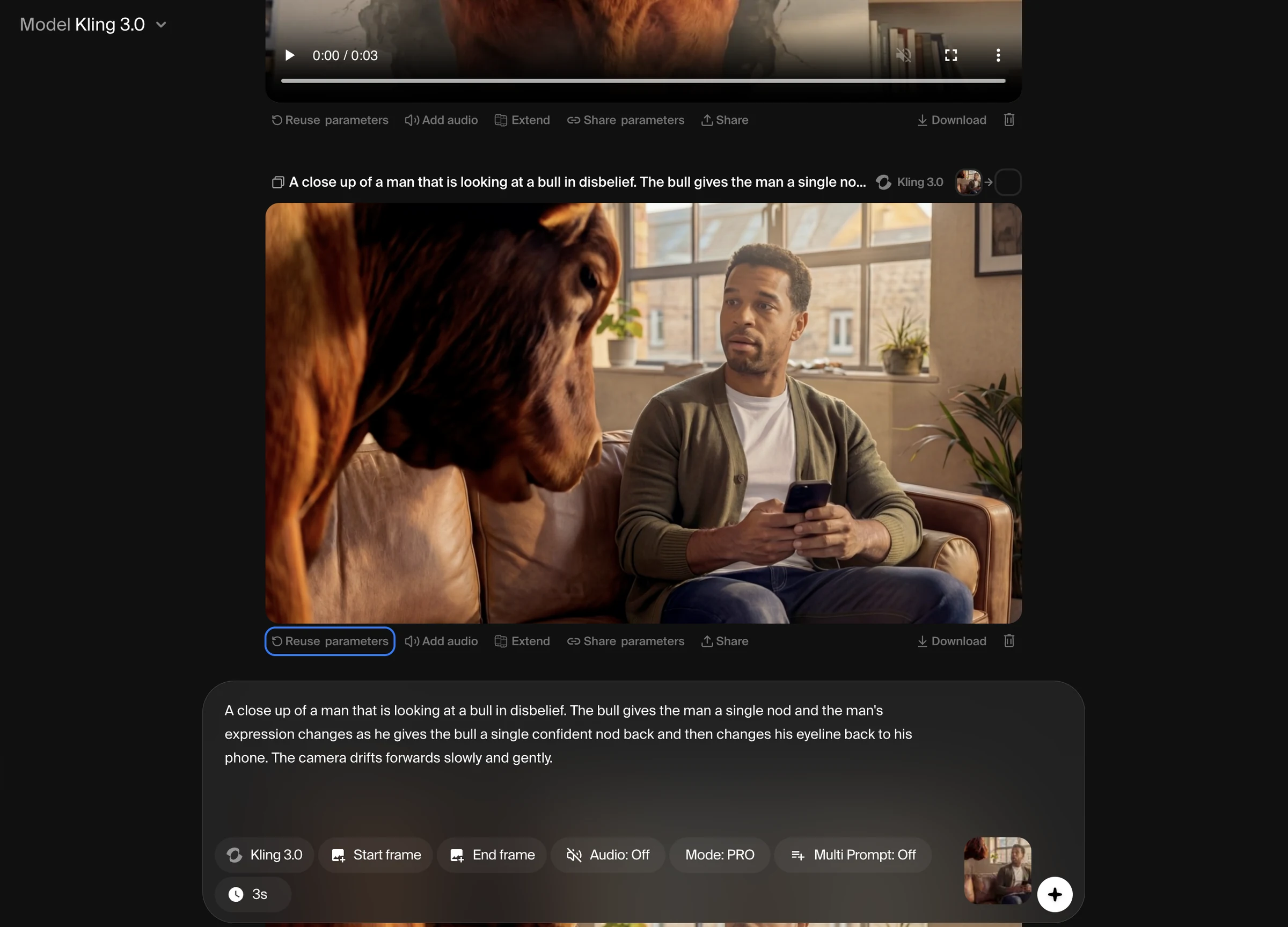
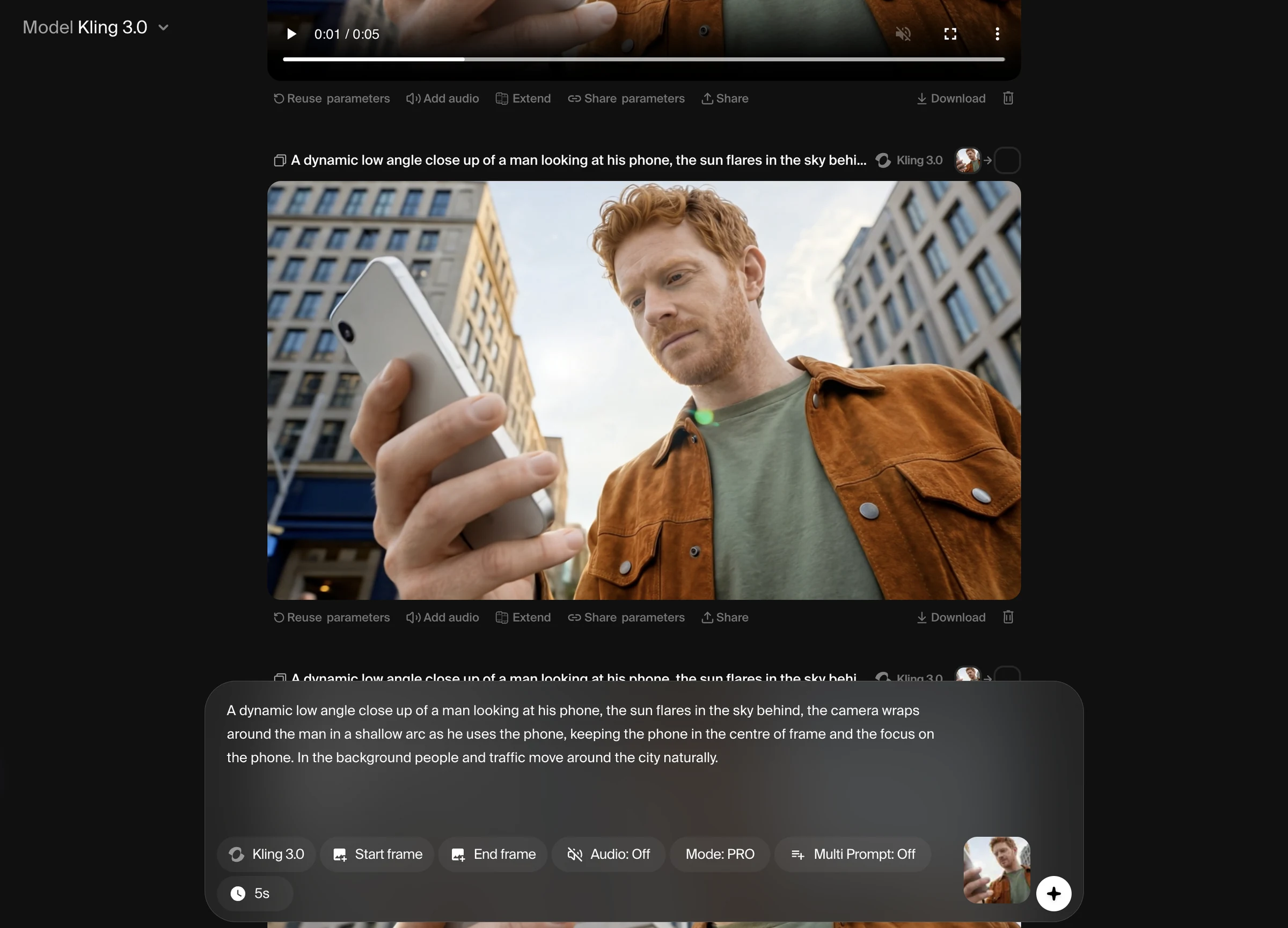
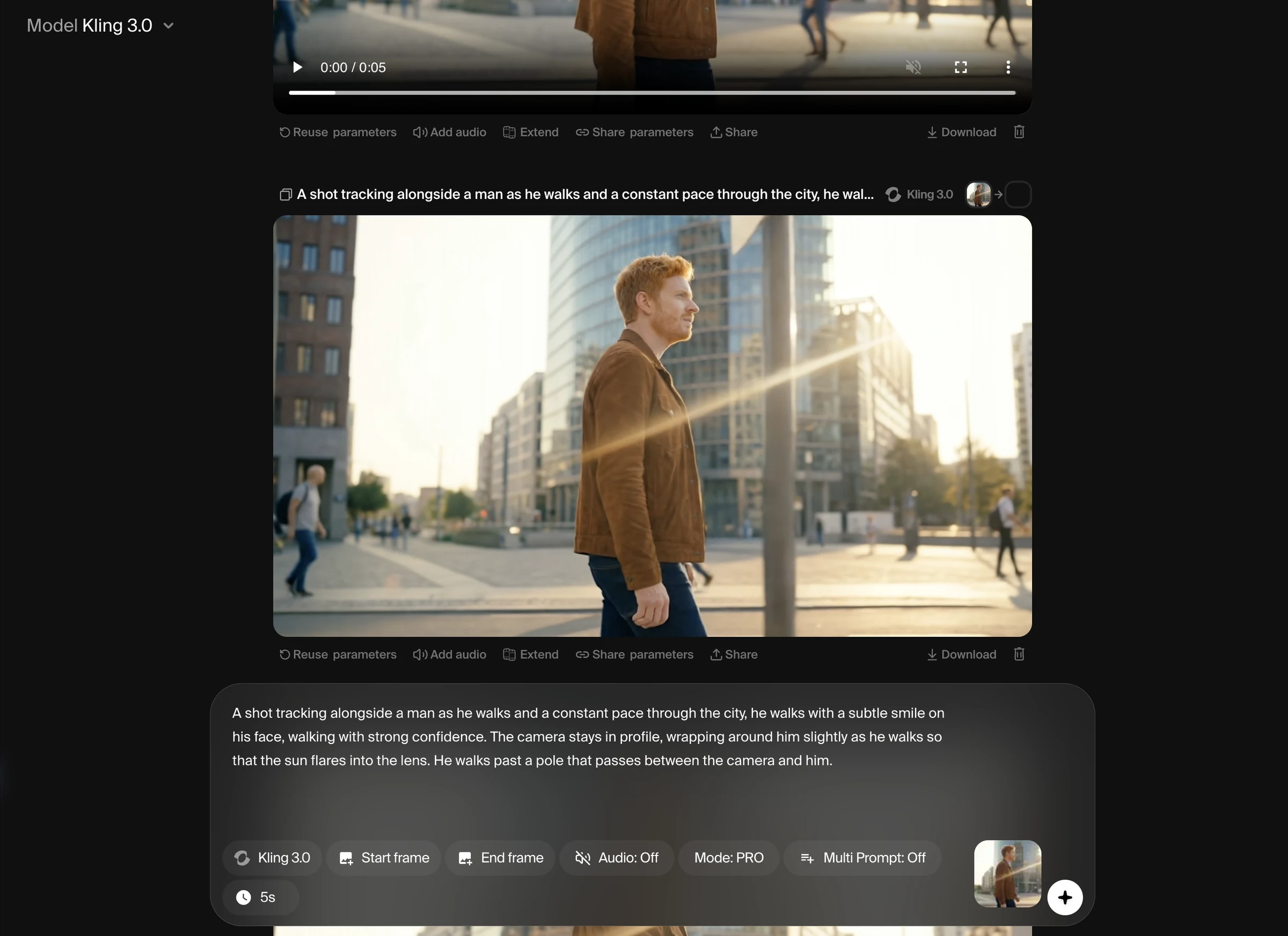
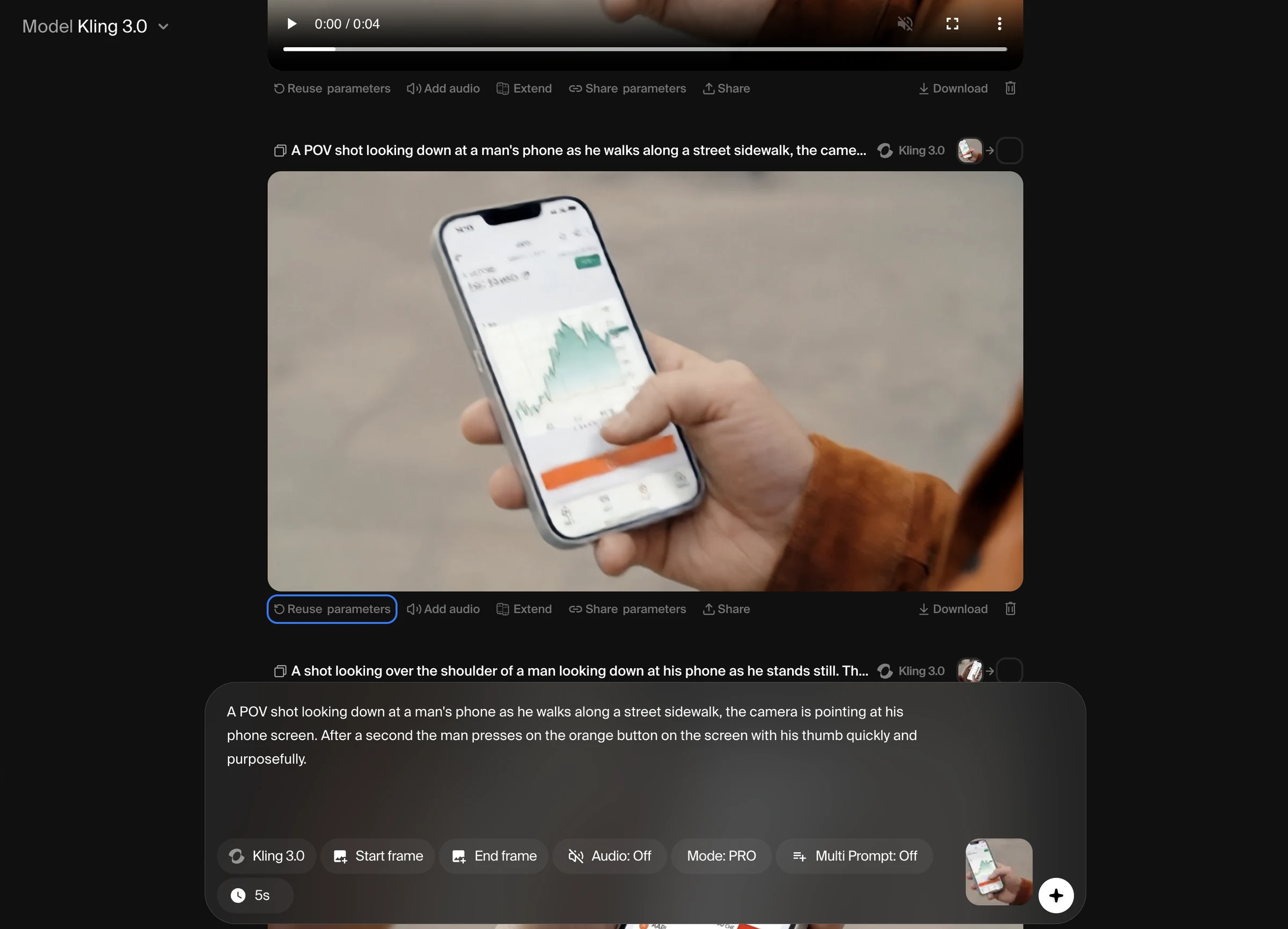
The early stages involved a huge amount of experimentation, and Krea let the team move between different models and test how each responded to a particular creative channel. James approached that much like choosing any other filmmaking tool.
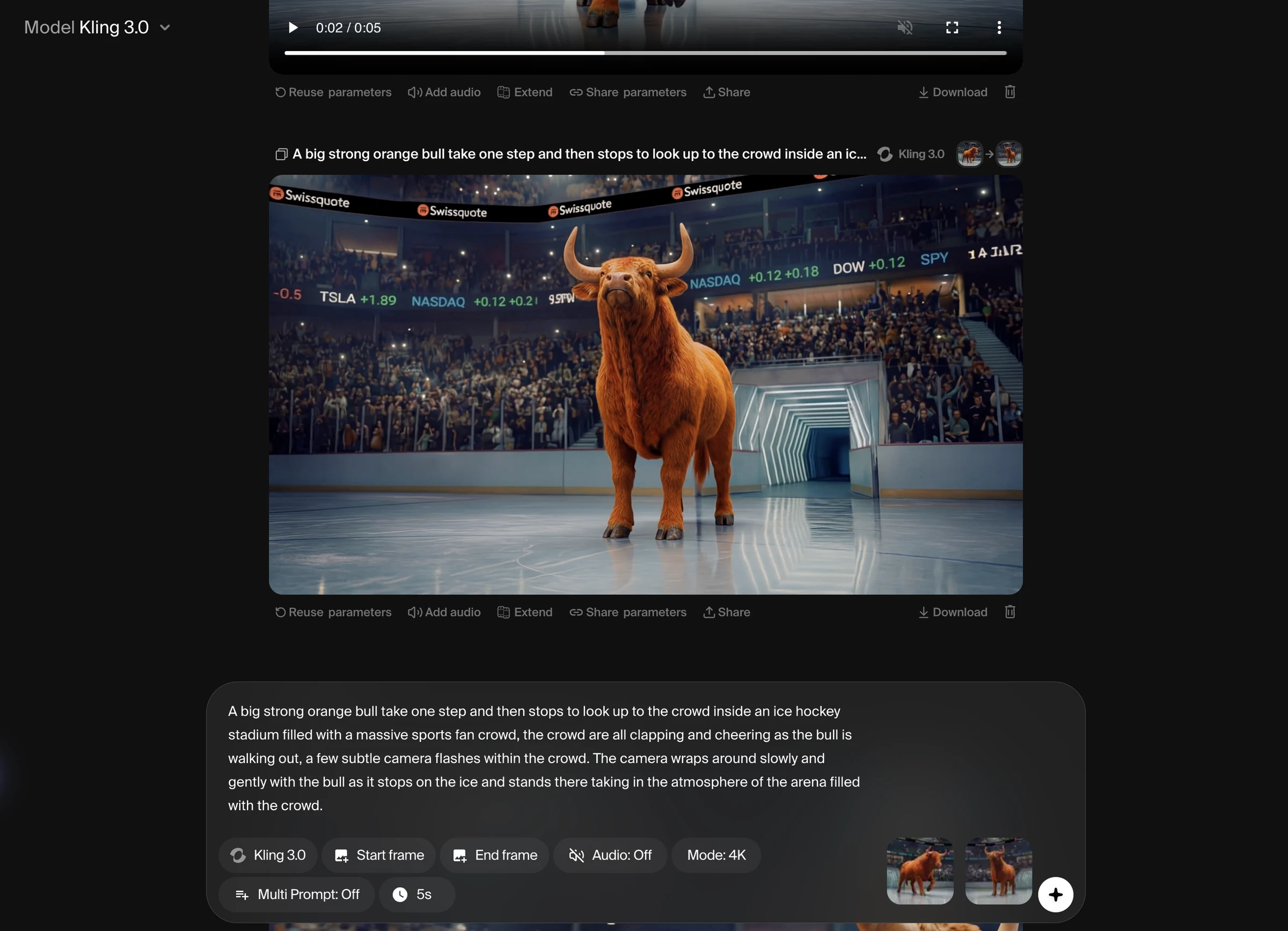
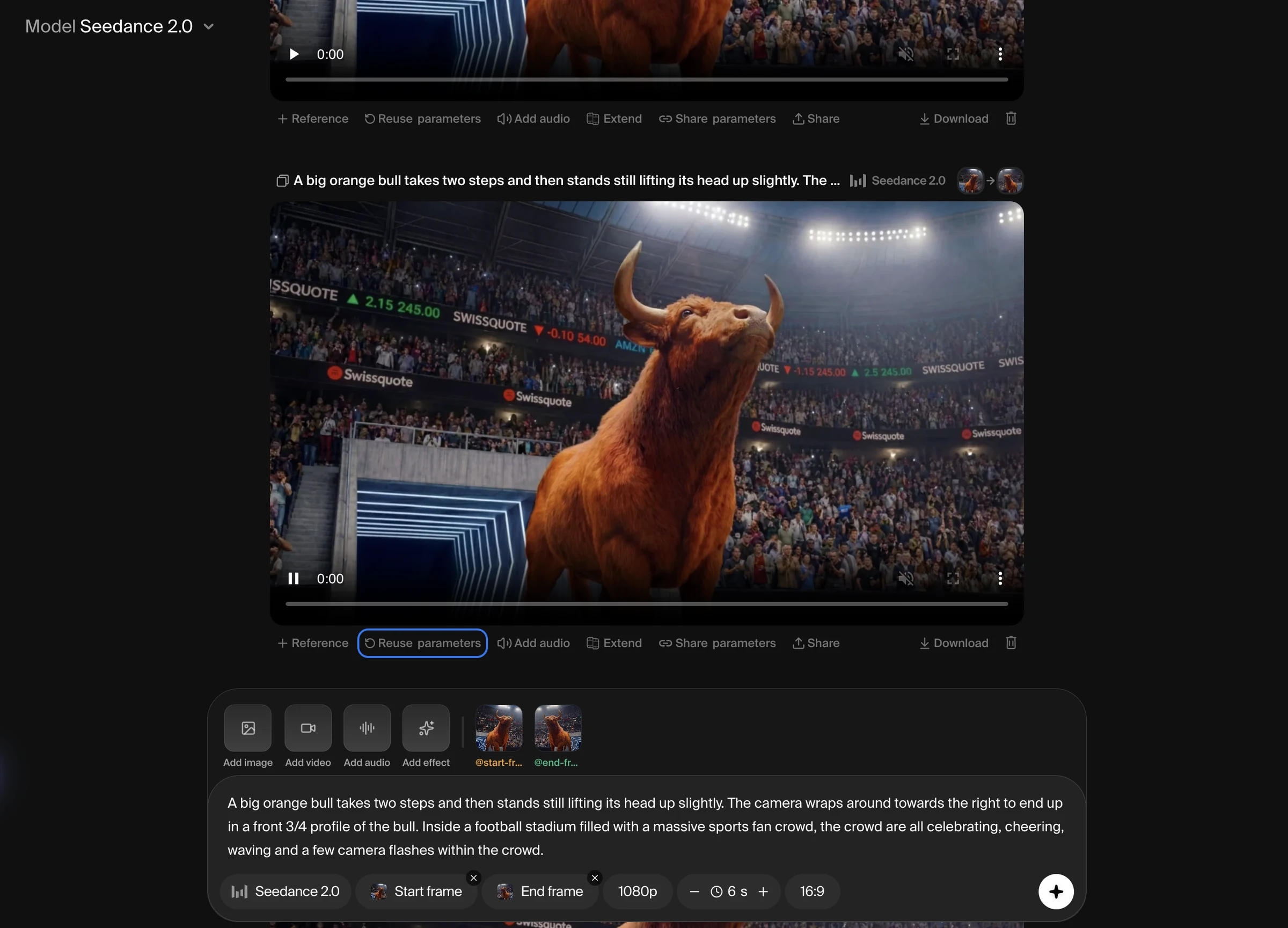
That became particularly important with the bull. The team never wanted him to feel like a cartoon or an obviously animated creature. Even when doing something completely surreal, his movement needed to have the weight and physical behaviour of a real animal.
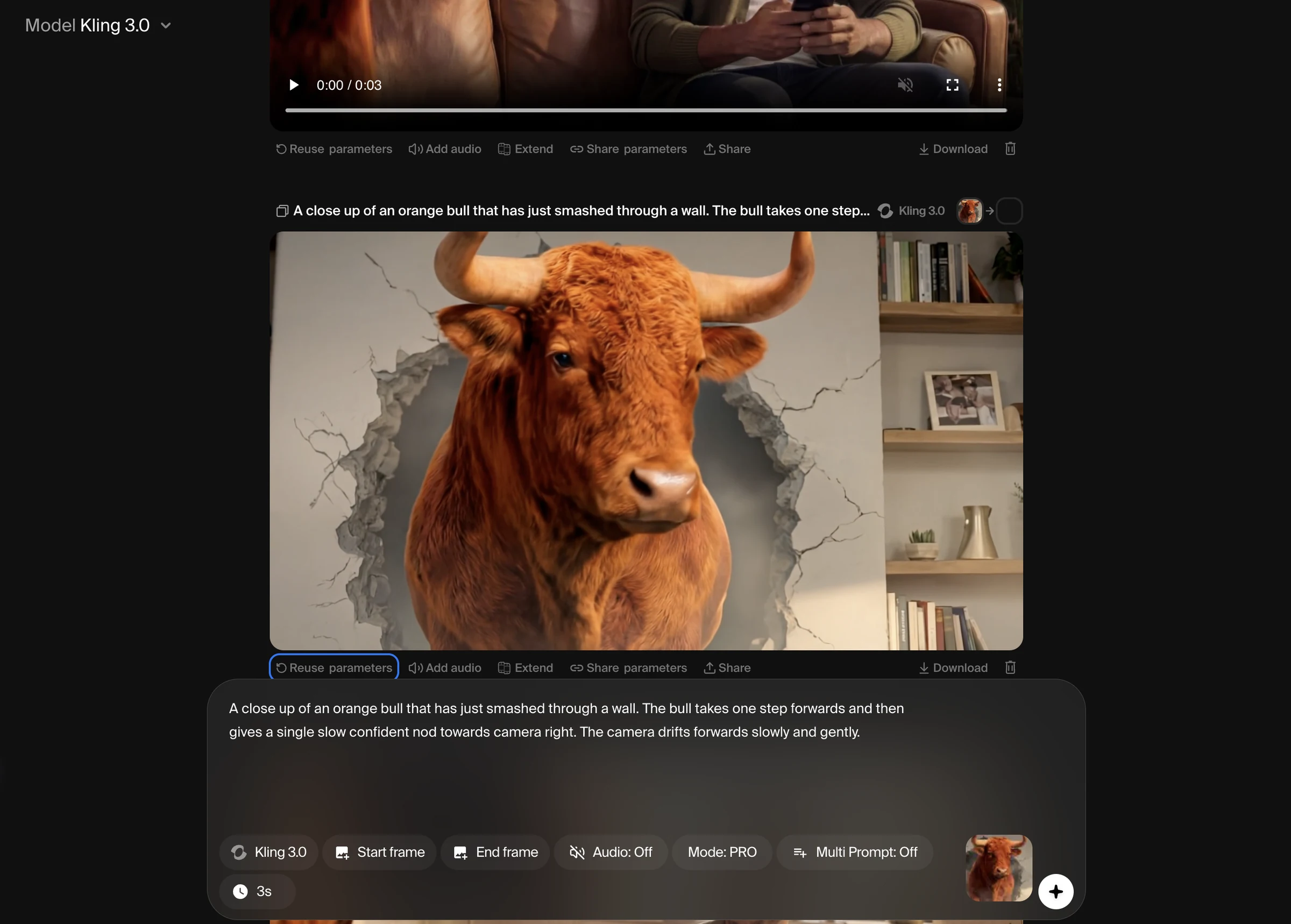
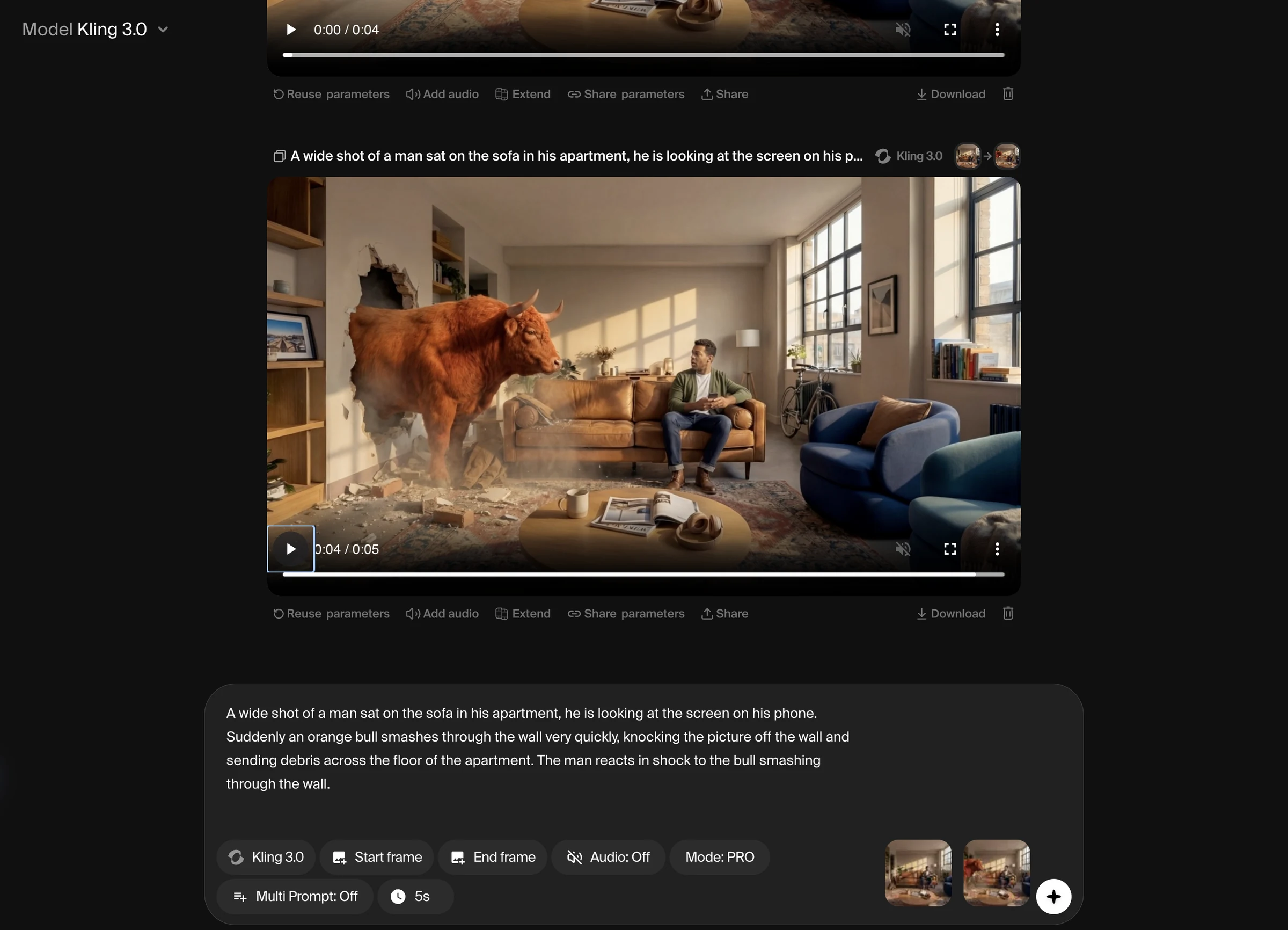
Different models handled those challenges differently. A shot involving a subtle reaction might perform better in one model, while another might better understand the physics of the bull crashing through a wall. Being able to test an action across different video models quickly made Krea a huge value-adding tool for R&D, as much as it was for production.
From exploration to consistencythe reference sheets
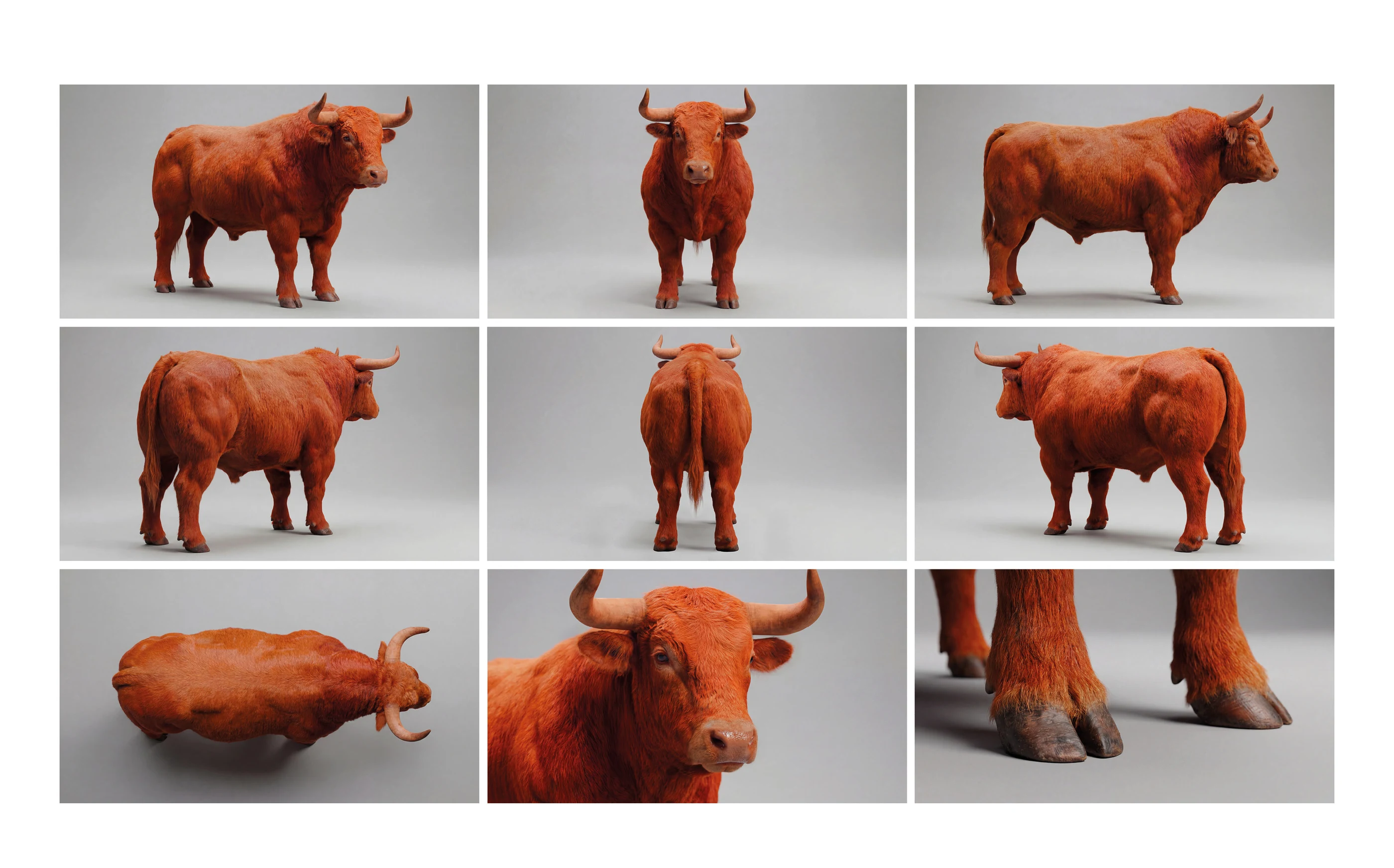
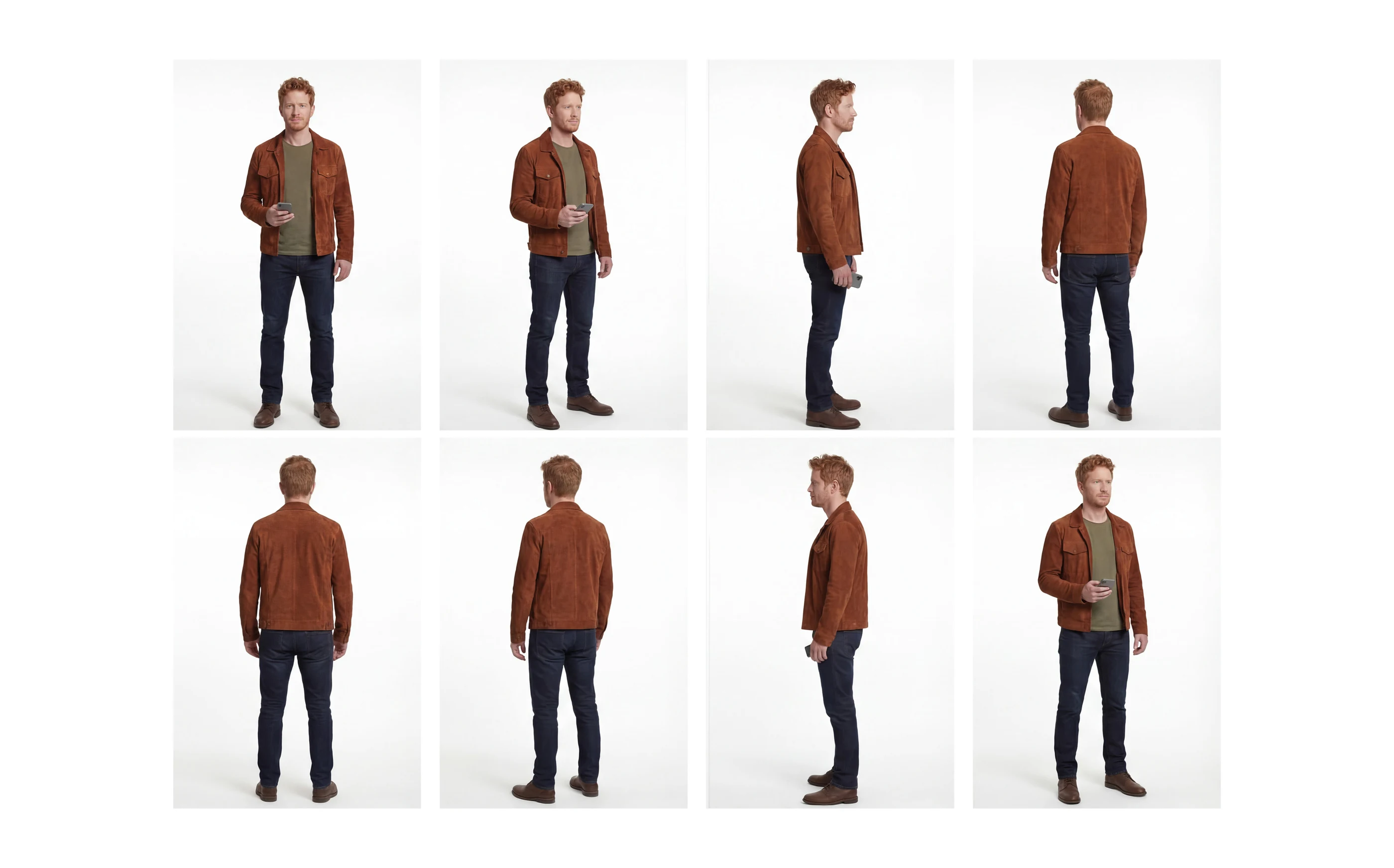
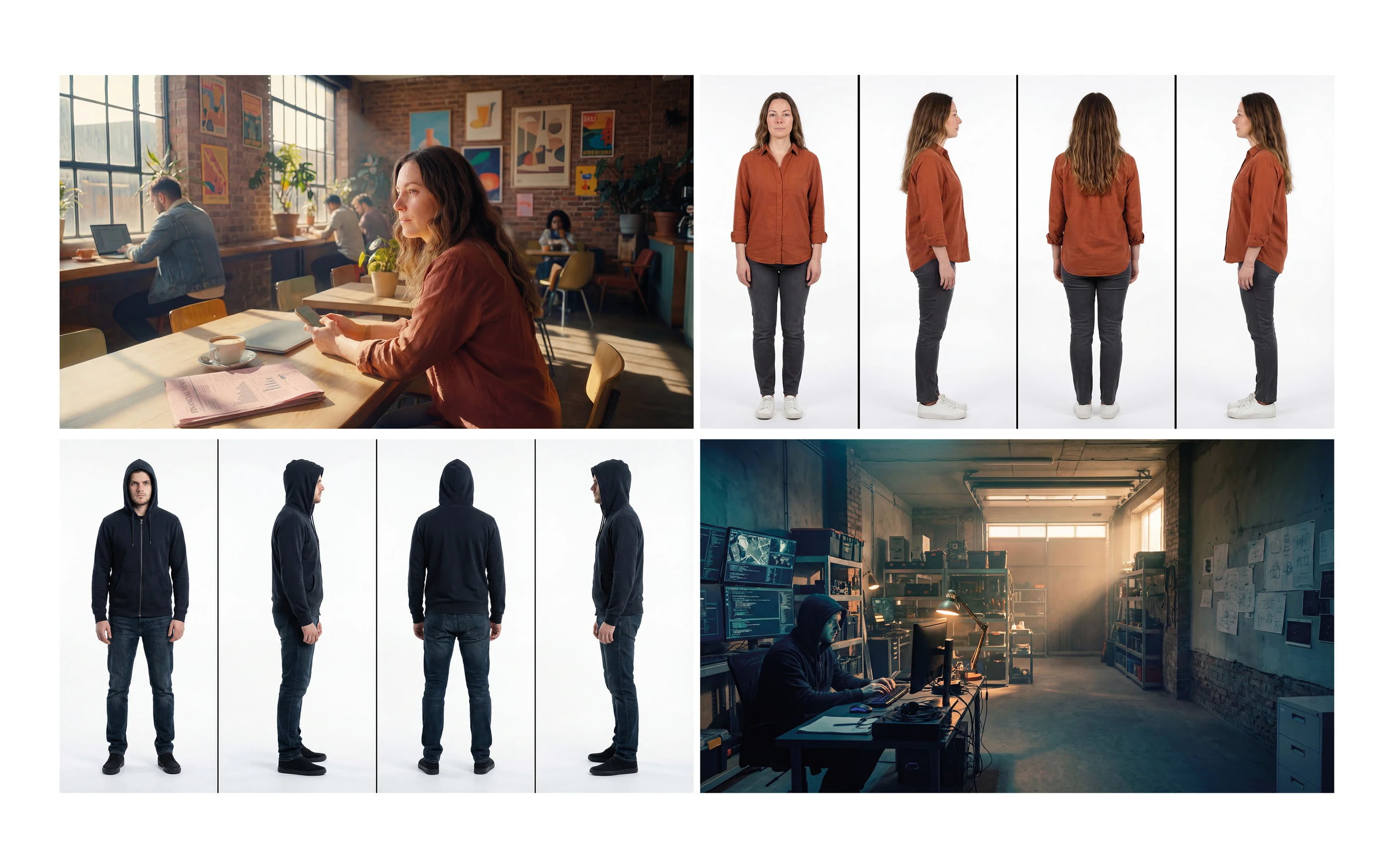
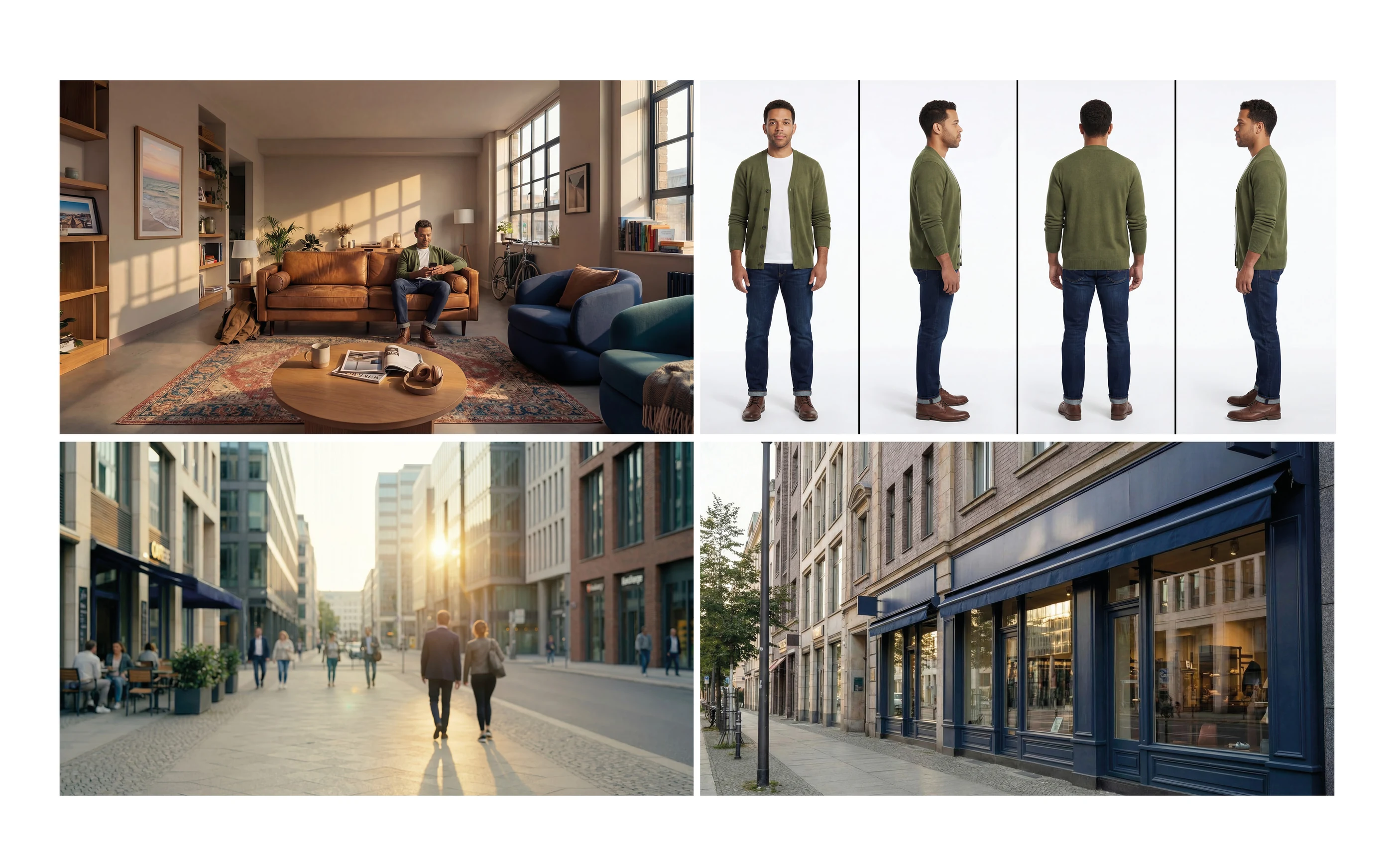
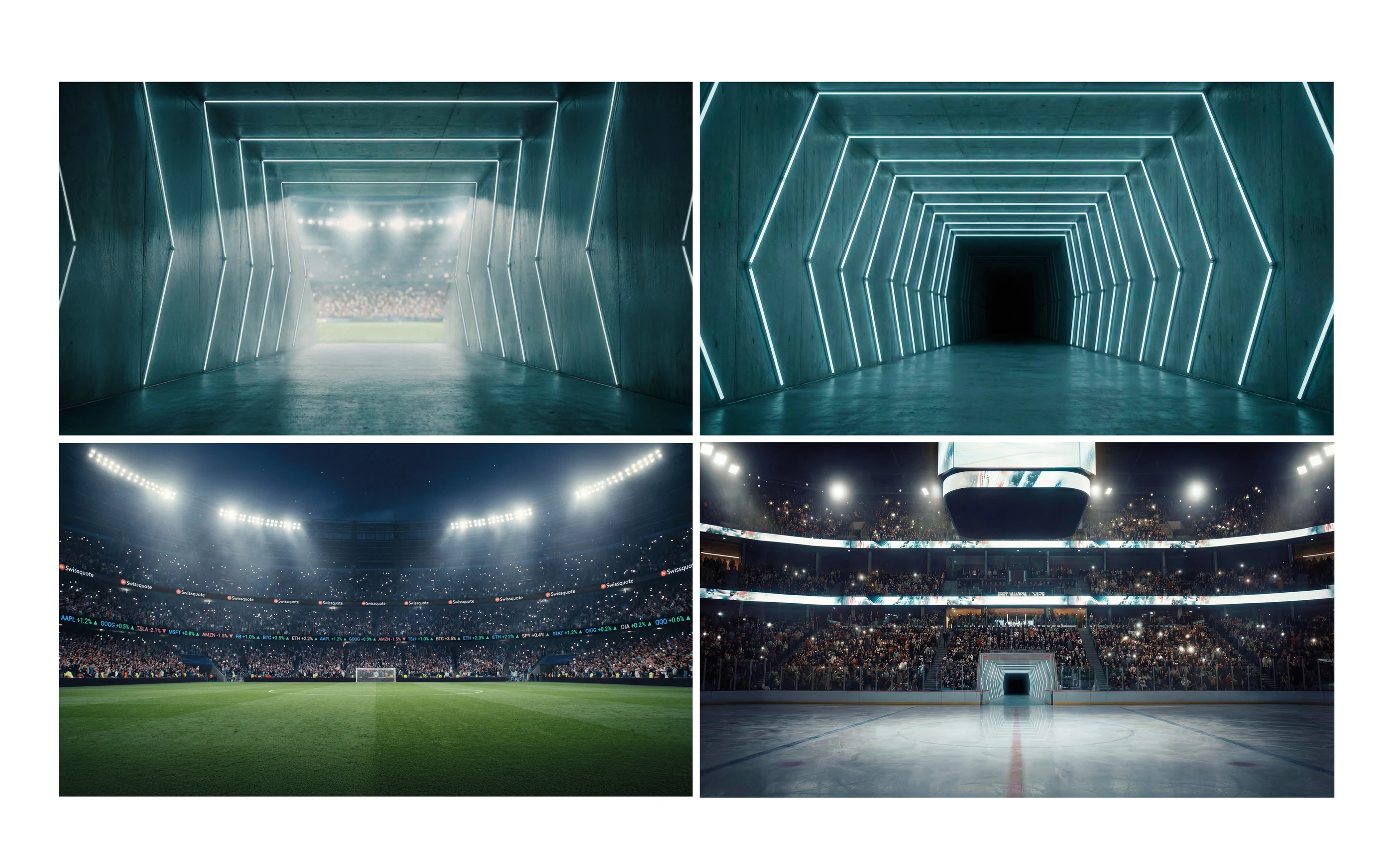
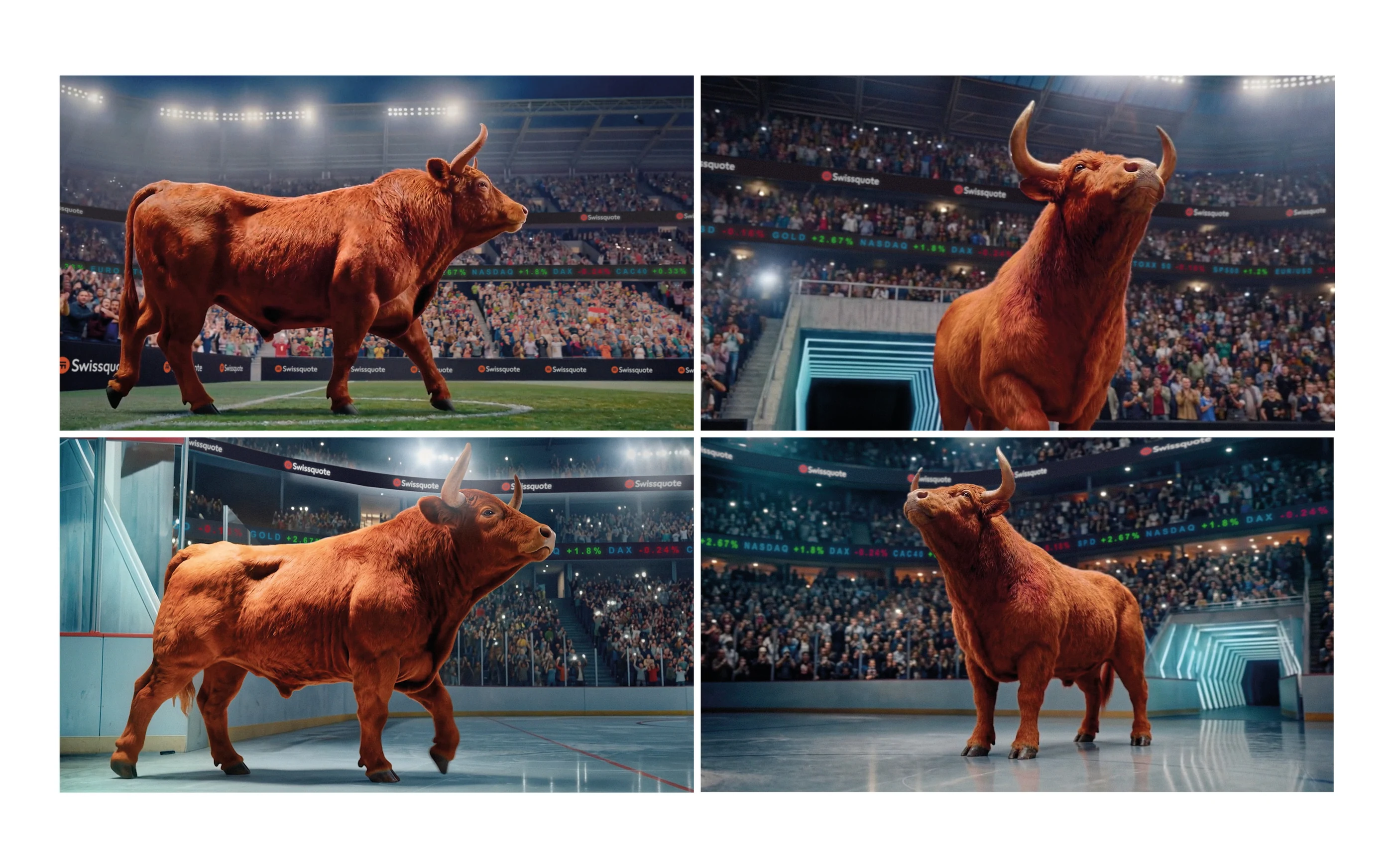
But of course, commercial filmmaking can’t stay in exploration mode forever. Working closely with Cavalcade and Swissquote, the team gradually locked the characters, environments and overall visual language of the films. Detailed character and location sheets were then created and used as references throughout production.
In many ways, it began to resemble a traditional filmmaking process. The cast had been chosen. The locations had been locked. The look and art direction had been agreed.
The difference was that those assets now existed as controllable identities inside a generative workflow.
This was especially important for the bull. He needed to remain recognisably the same character whether seen in close-up, walking through an apartment or charging into a packed stadium.
Building a shot, not generating onefrom a still to motion
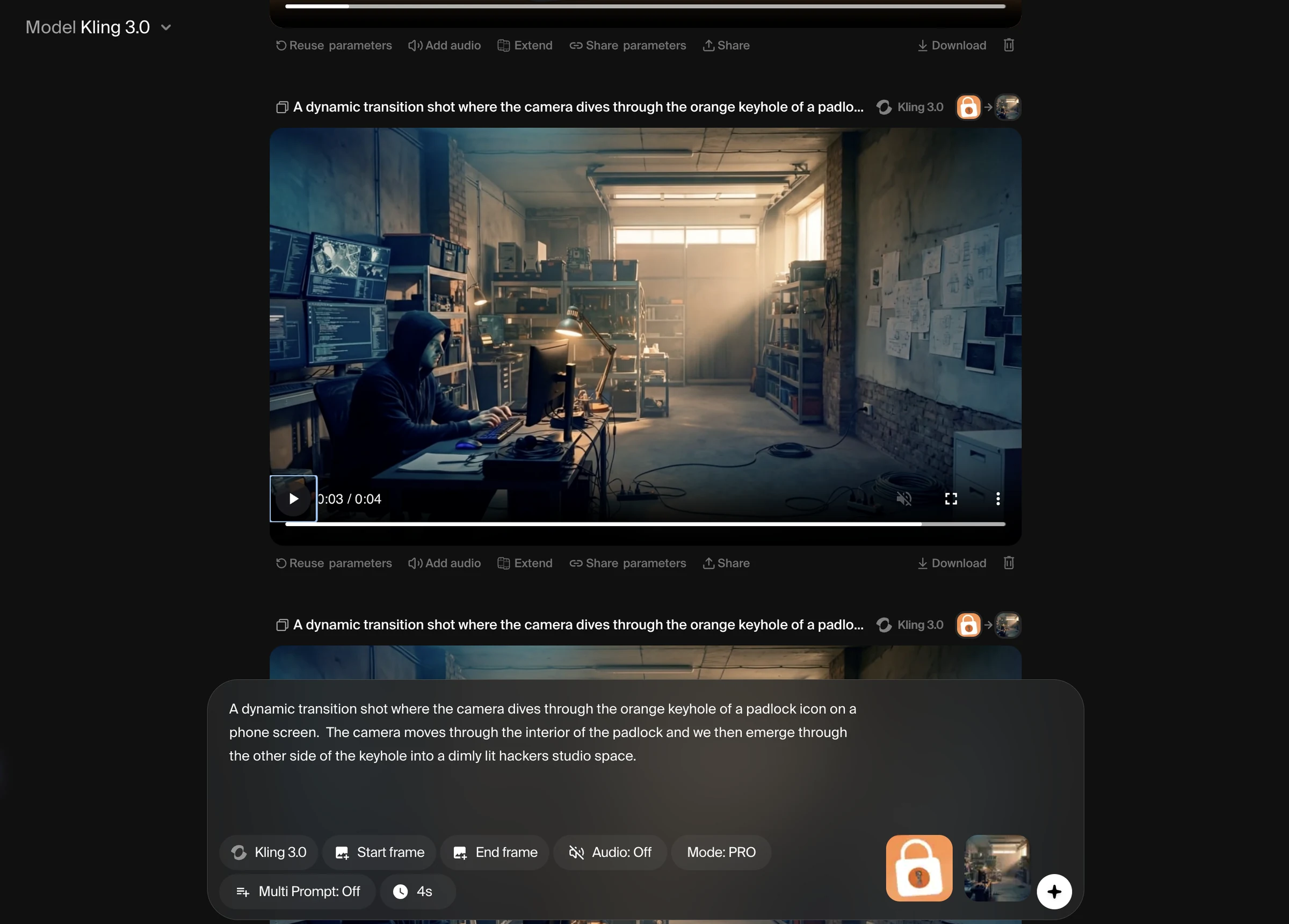
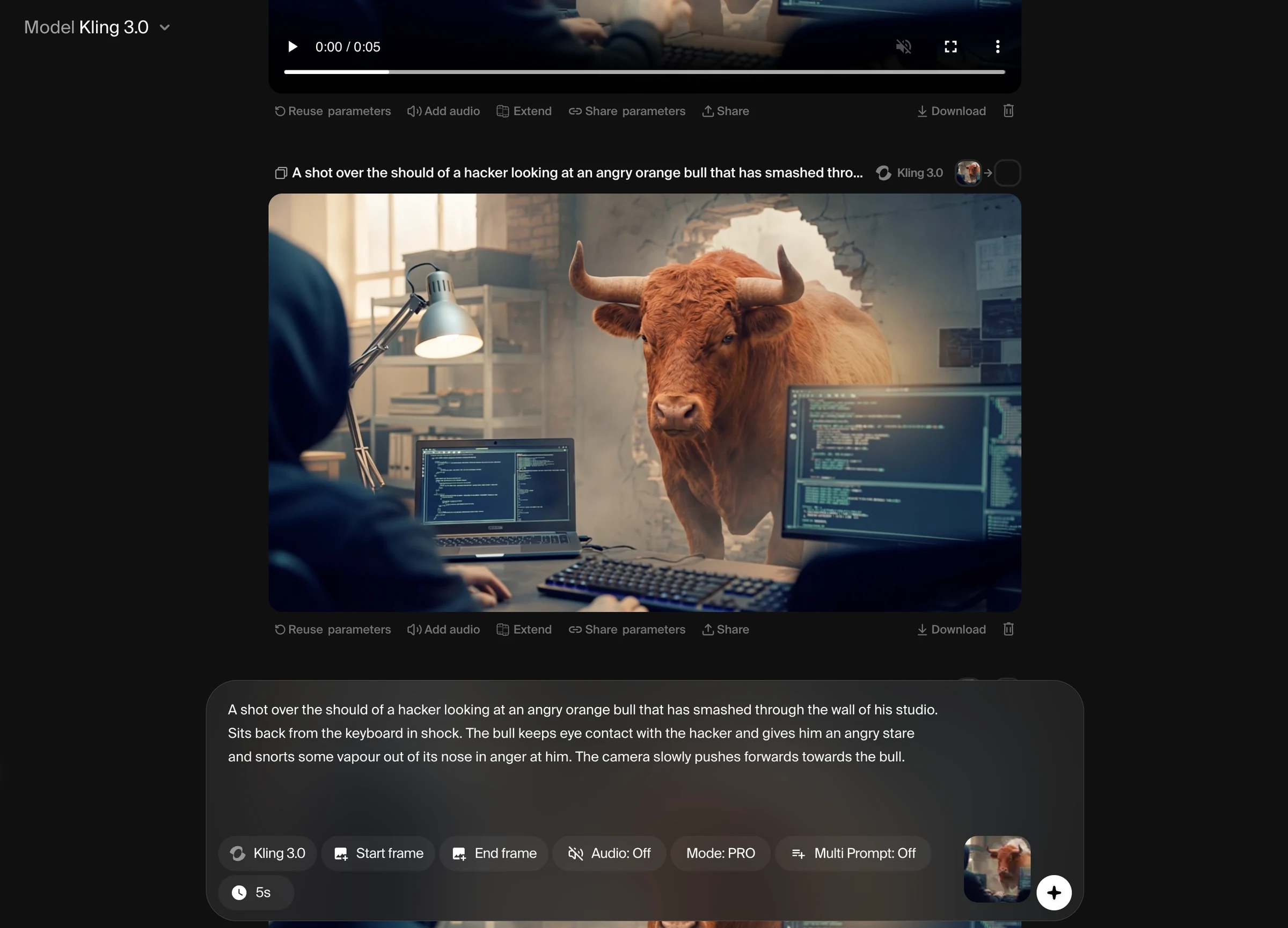
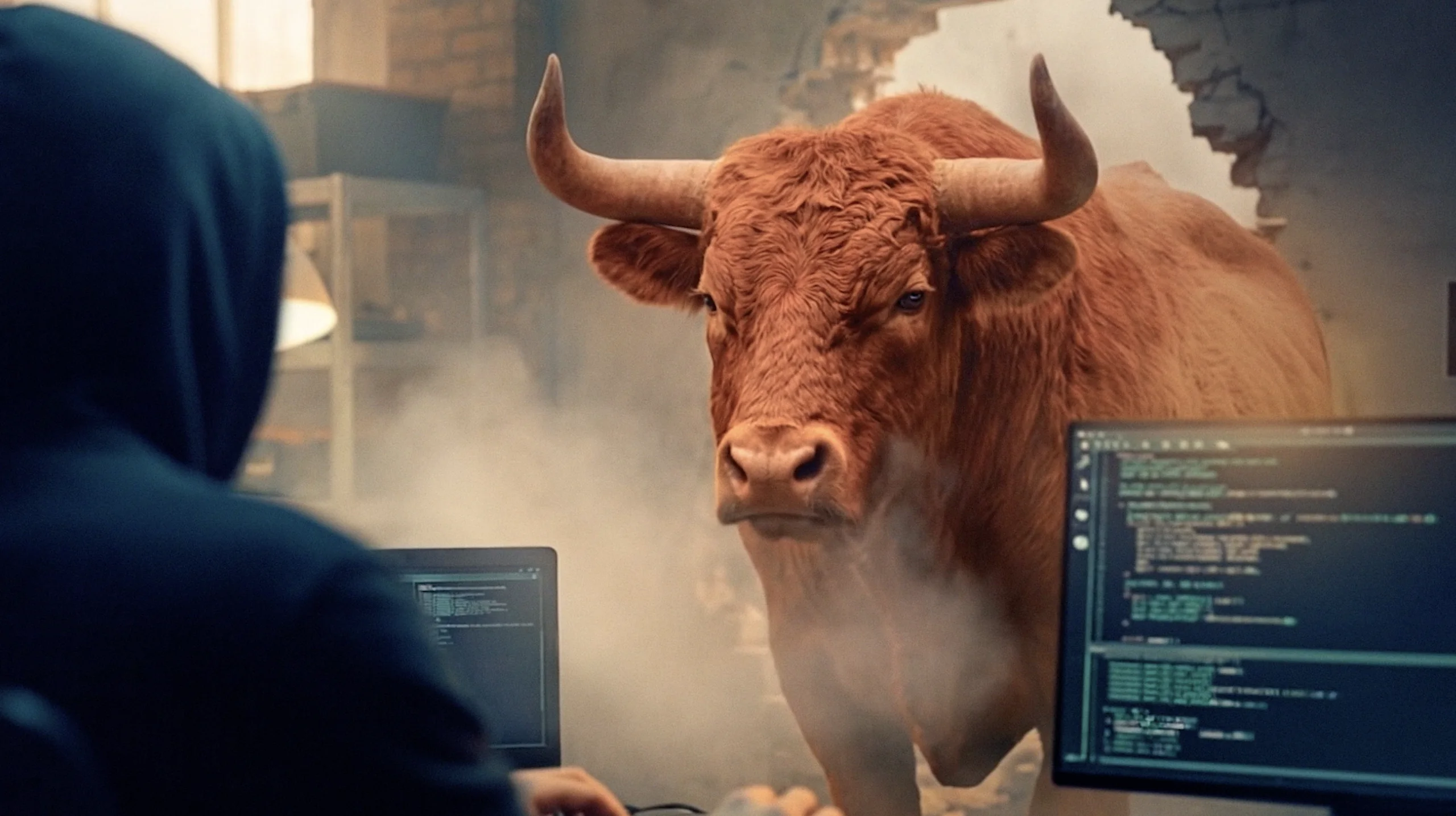
Every final shot began as a still. Take the hacker’s studio, for example. The team first worked on the widest frame, establishing the scale of the room, its architecture, lighting and overall visual language.
From there, they refined the details with Cavalcade and Swissquote: information on screens, LED colours inside the computer equipment, lamps, keyboards, posters and other elements of the set. Only once the still was resolved would the team move into motion, testing different video models according to the action, performance or camera movement the shot required.
- 01The widest frame sets the room
- 02Then the bull comes through the wall
Each shot was built through layers of decisions rather than a single prompt.
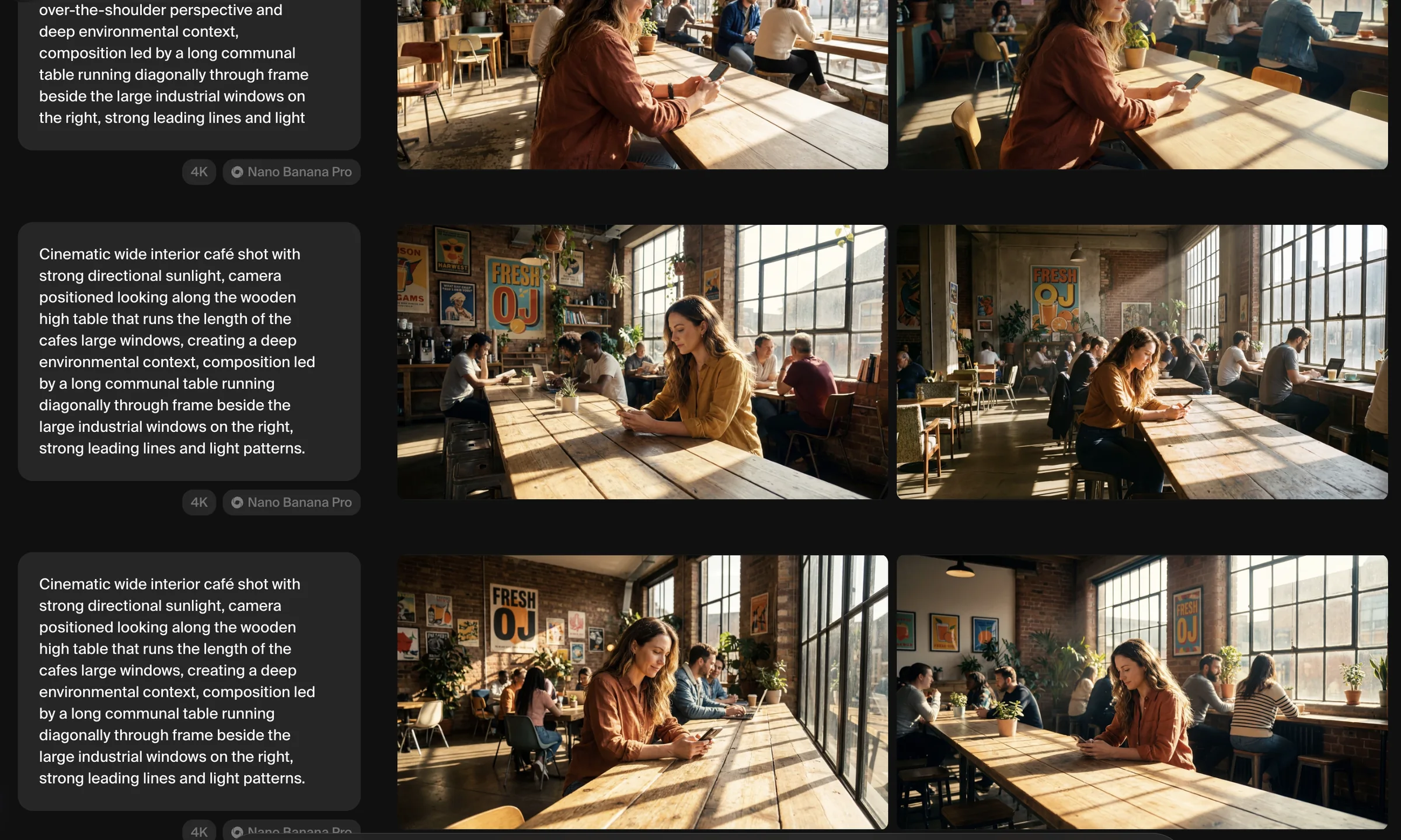
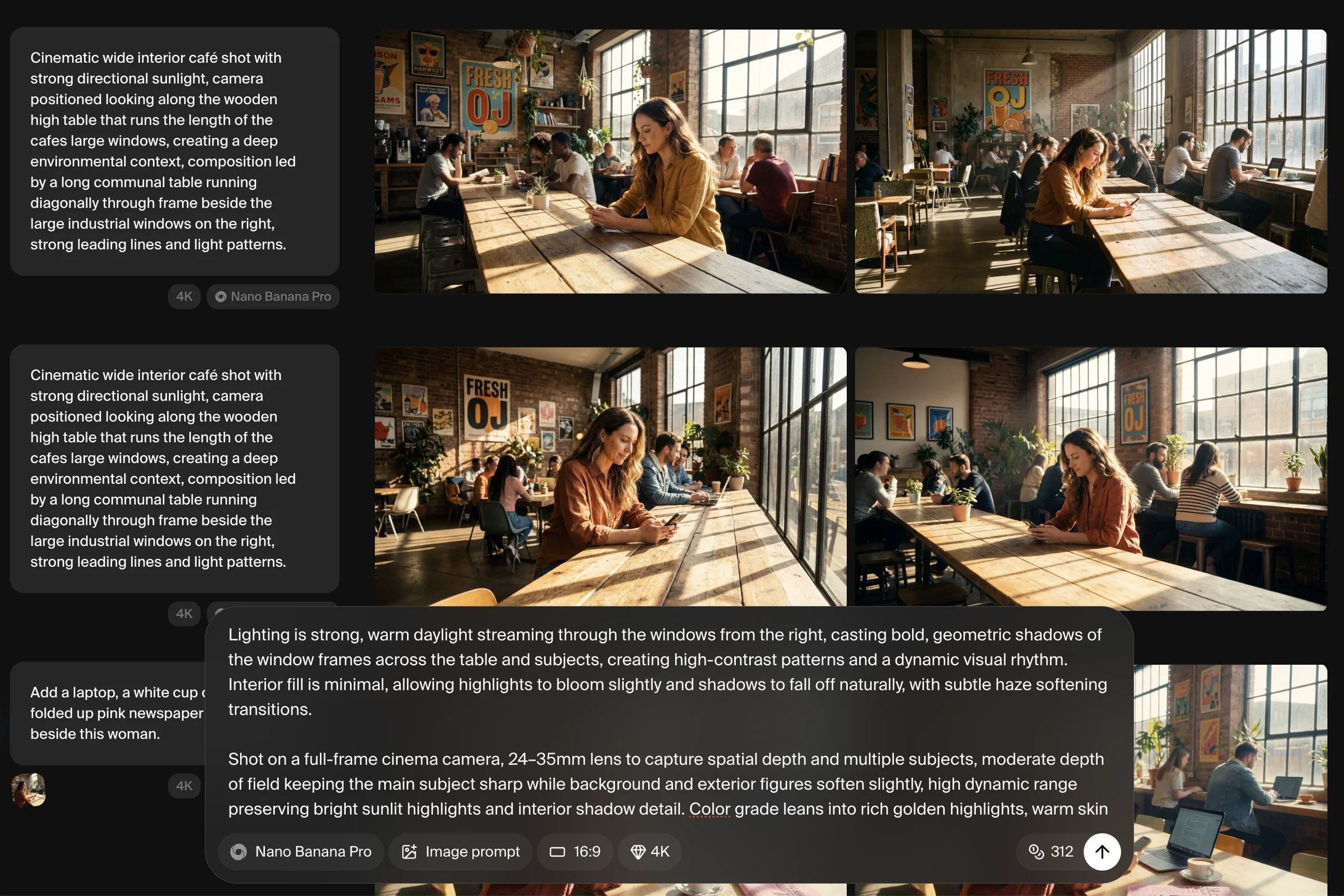
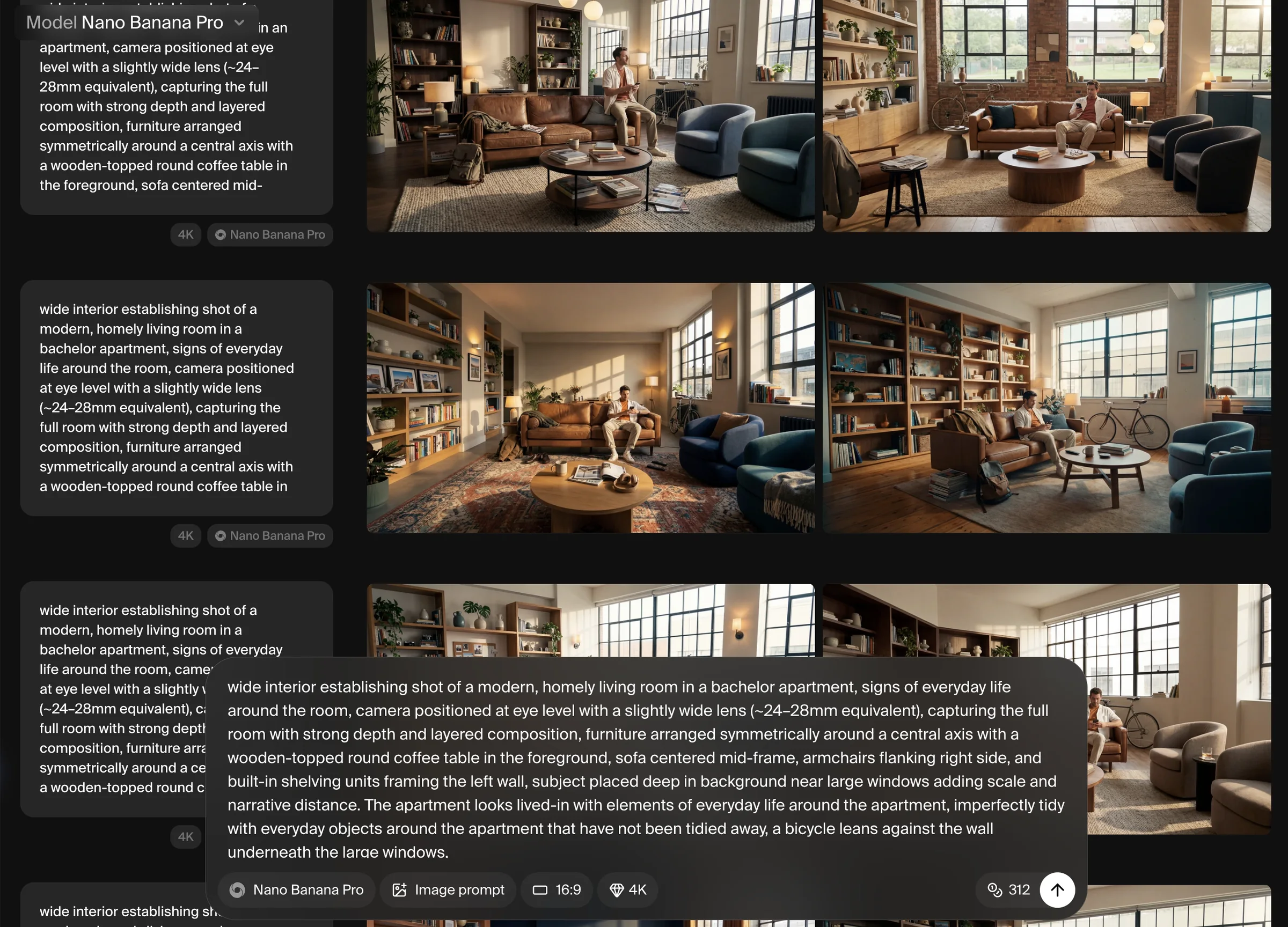
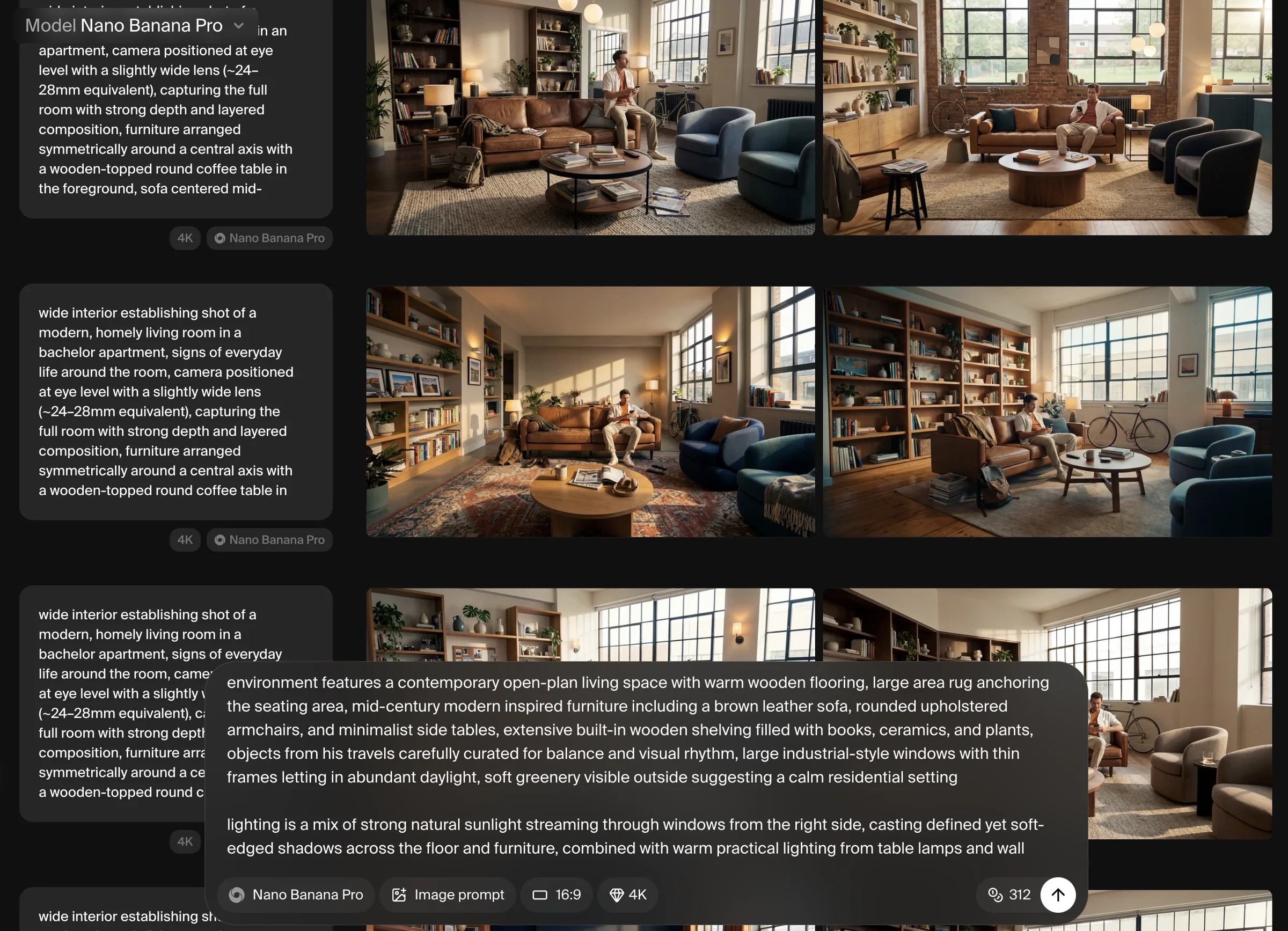
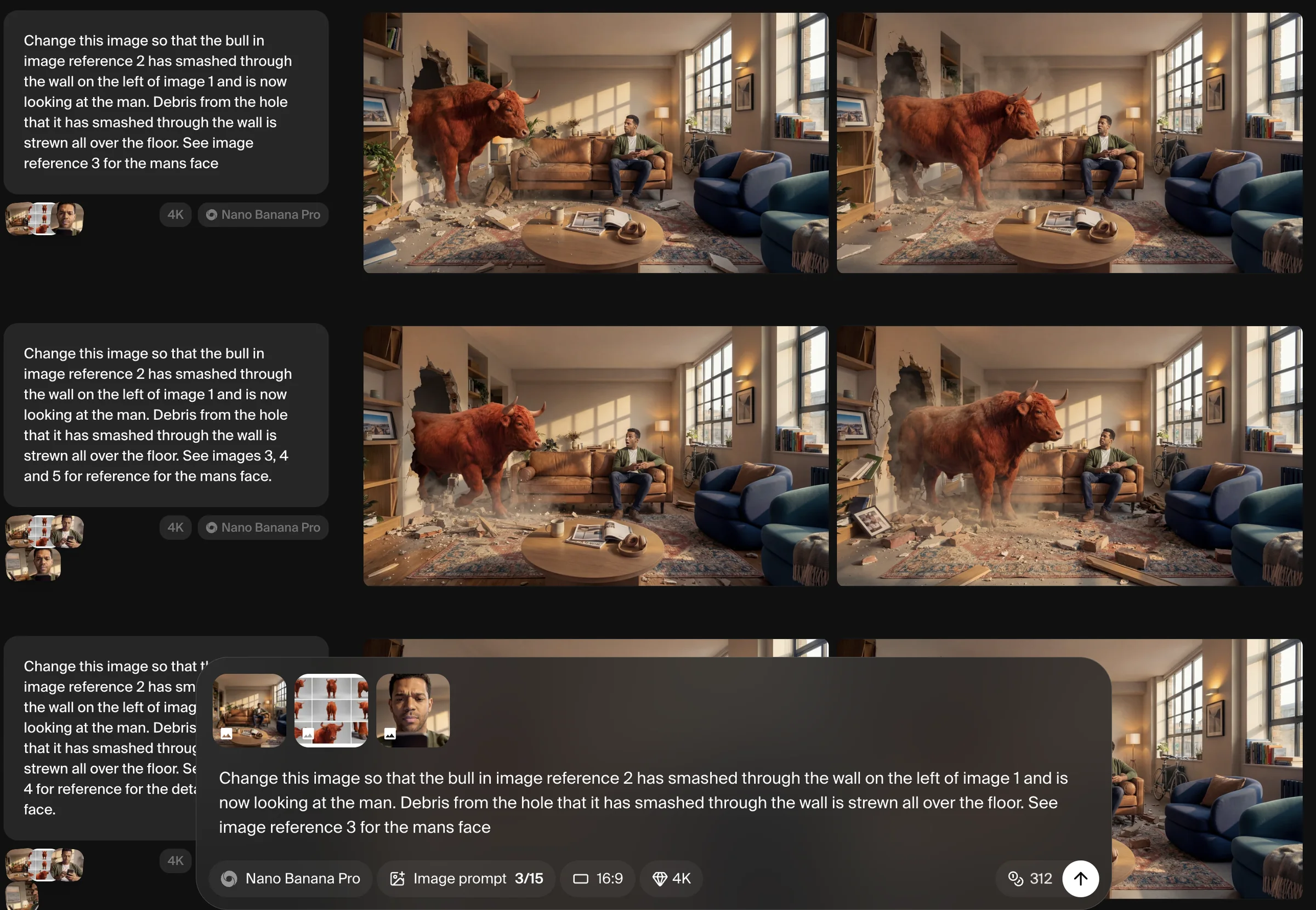
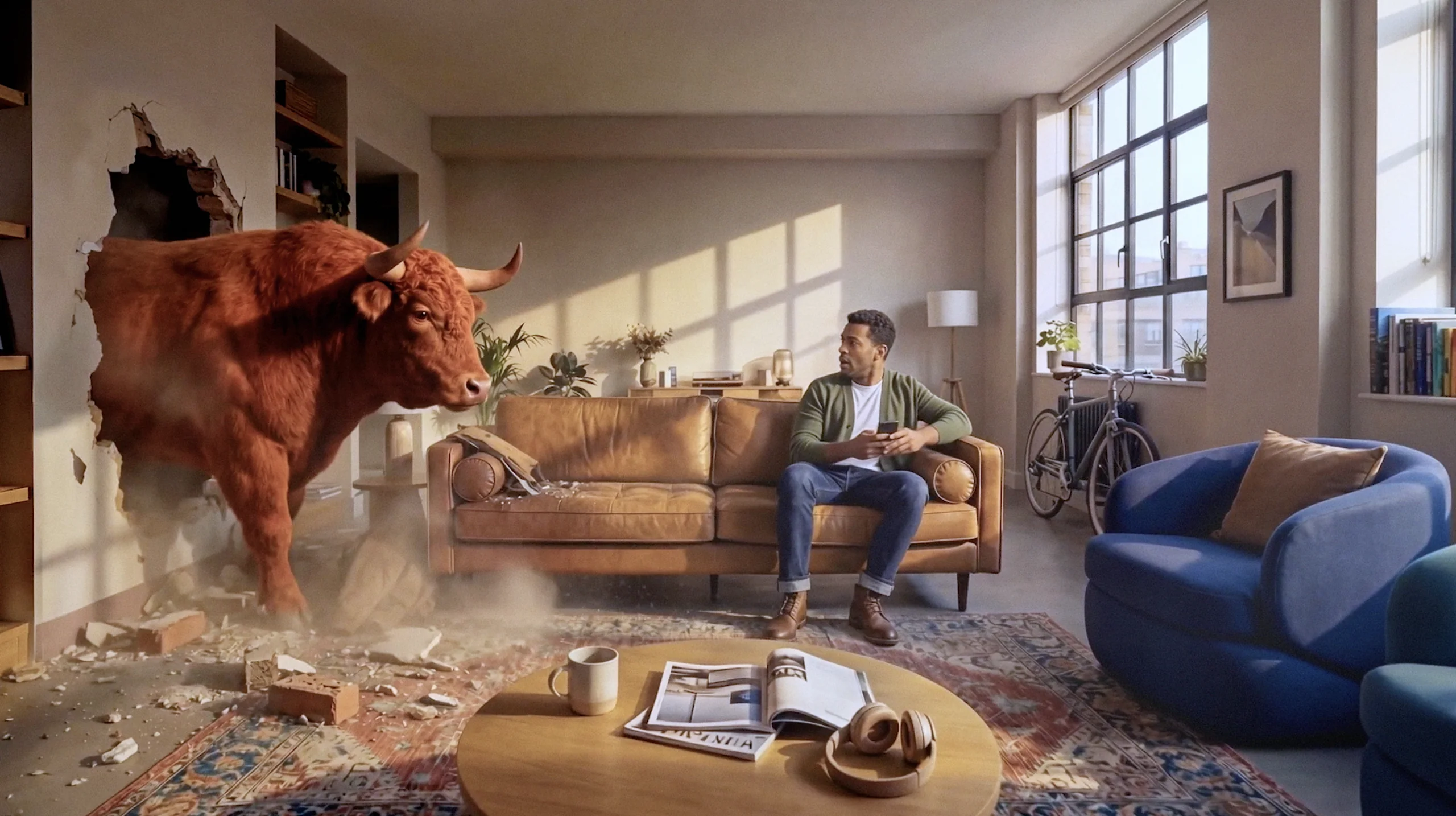
That distinction matters to Guy.
Despite the technology sitting underneath it, the platform allowed James and the wider team to stay focused on familiar filmmaking questions: framing, lighting, behaviour, atmosphere and story.
It’s also something people often underestimate about generative filmmaking. The technology can produce an enormous number of possibilities, but someone still has to decide which composition works, which performance feels believable, and which frame actually belongs in the film. The models generate, but someone still has to direct.
Built for broadcastnative 4K, final masters
These weren’t experimental AI films made to live on a small screen; they were commercials intended for broadcast. Resolution and image fidelity therefore mattered throughout the process. Having access within Krea to models capable of generating material natively at 4K meant assets could enter the production pipeline at a resolution suitable for the finished films, without routinely adding another upscaling stage. More importantly, the final imagery needed to withstand the same scrutiny as traditionally produced commercial work.
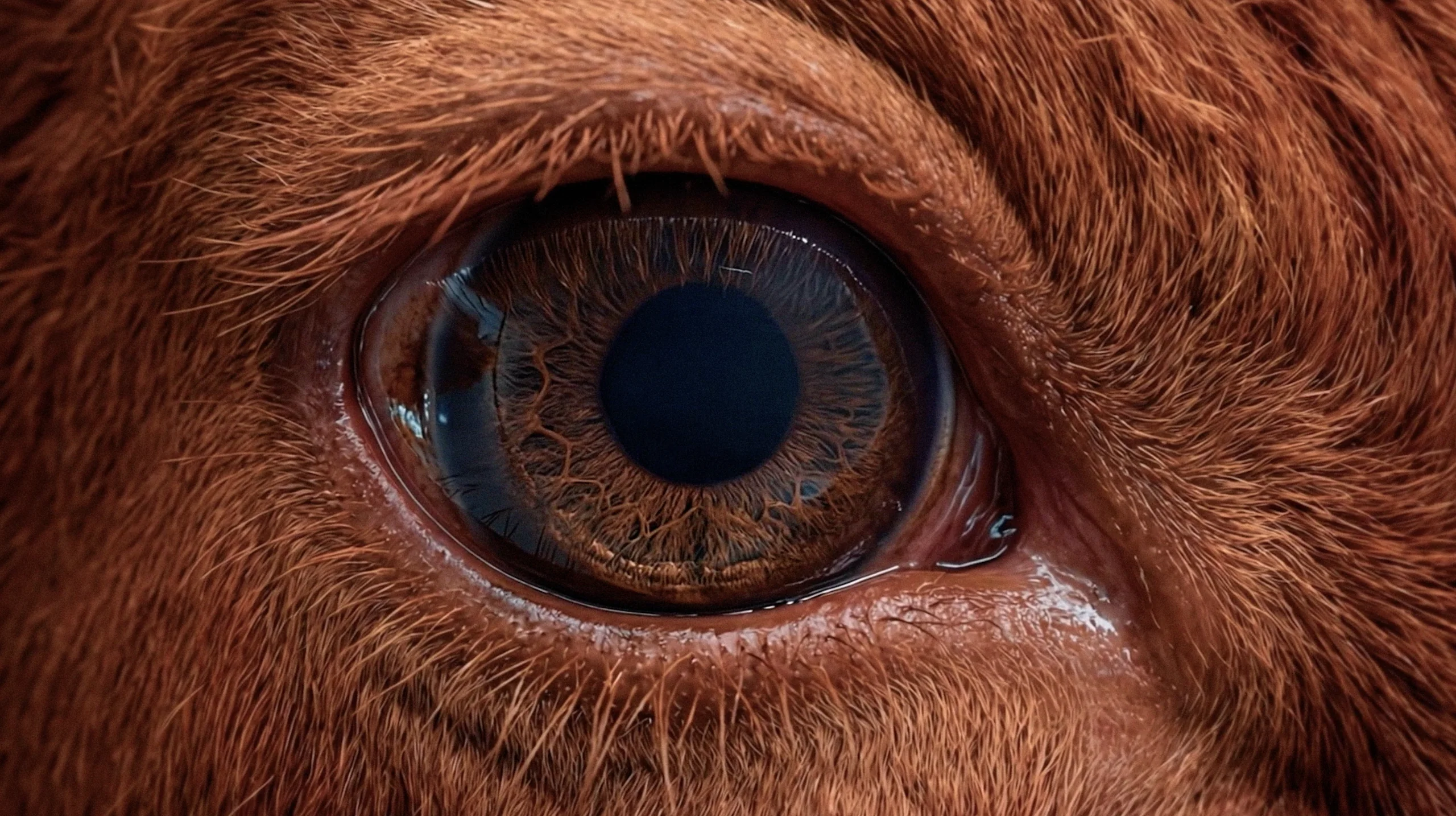
Speed and cost efficiency remain the primary drivers of Gen-AI adoption over live-action and traditional CG, but the real power lies in removing creative boundaries. For this four-film campaign, our AI pipeline delivered full final masters in just over four weeks. A process that typically demands nearly three months across traditional shoots and complex CG rendering. Beyond unlocking unprecedented creative freedom to execute ambitious ideas, the total spend came in at roughly 40% of a traditional live-action/CG build, proving that Gen-AI offers a far more scalable path to high-craft, limitless storytelling. Across four films and a huge volume of generated material, those efficiencies add up.
Time
- Traditional shoots and CGLive action + CG rendering Nearly 3 months
- Swissquote campaignMADE BY HUMANS in Krea Just over 4 weeks
Cost
- Traditional shoots and CGLive action + CG rendering Full build
- Swissquote campaignMADE BY HUMANS in Krea Roughly 40%
For Swissquote CMO Jan De Schepper, it did.
Cavalcade Founder and Creative Director David von Ritter puts it more simply:
Keeping the technologyin service of the idea
What ultimately made Krea useful across the Swissquote campaign wasn’t one individual feature.
It was having the process connected.
The team could explore ideas, compare models, organise development, maintain consistent characters and environments, move between stills and motion, and create high-resolution imagery without continually breaking the creative process apart.
That left more room for the thing MADE BY HUMANS cared about most: the filmmaking.
As James puts it:
The models generate, but someone still has to direct.
Curious what Krea could do for your team?
Talk to our enterprise team about bringing your creative workflows into Krea.
Contact Sales