María Homs × Dazzle × ZaraA new Zara film every month, made in Krea
How Maria Homs, AI director at Dazzle AI, develops a new Zara video every month in Krea.
The partnership
Most of the work that comes into Dazz Creative arrives with a tight brief: the brand knows what it wants, and the team brings the creative input on top. However, Zara works differently. Once a month they send over two or three products they want to push and ask for a couple of proposals for each one. After that, it’s on Dazzle: the concept, the creative direction, the storyboard, the frames and the final animation, but with Zara’s team validating each step along the way. It takes lots of iterations, and someone who can carry an idea from a product photo to a finished film. At Dazzle, that’s Maria Homs.
We could say Maria truly is AI-native, since she doesn’t come from traditional production. About two years ago she pitched Adriana, who heads Dazzle’s agencies, on making AI content for brands, and took over the Dazzle AI Instagram, posting every day until the client work, Zara included, started coming in. Krea has been part of that from the very beginning. She’s careful about which tools she puts her name next to, which is why she was happy to tell this story with us.
The idea
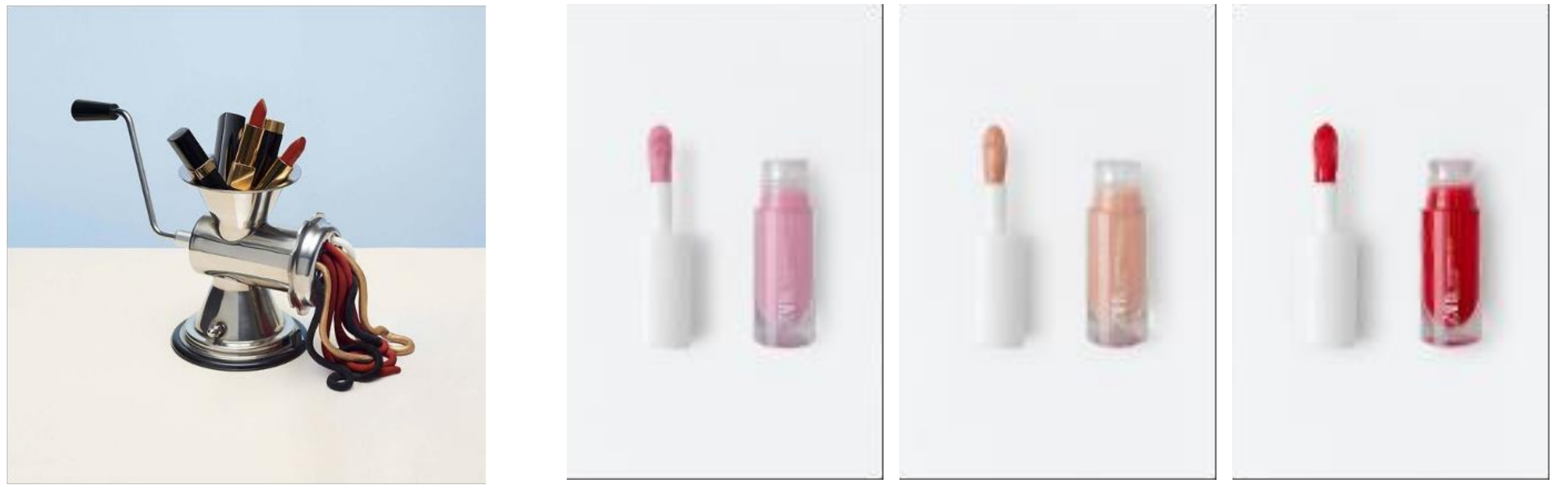
Every Zara project starts with a rough pitch. For each product, Maria puts together four or five references. For the Zara Beauty lip oils, the starting point was a single image: a meat grinder packed with lipsticks, with ribbons of color coming out the other end.
Zara narrows it down to two or three ideas, and Maria turns those into storyboards in Krea: a single generated image with four to six panels that are easy to follow.
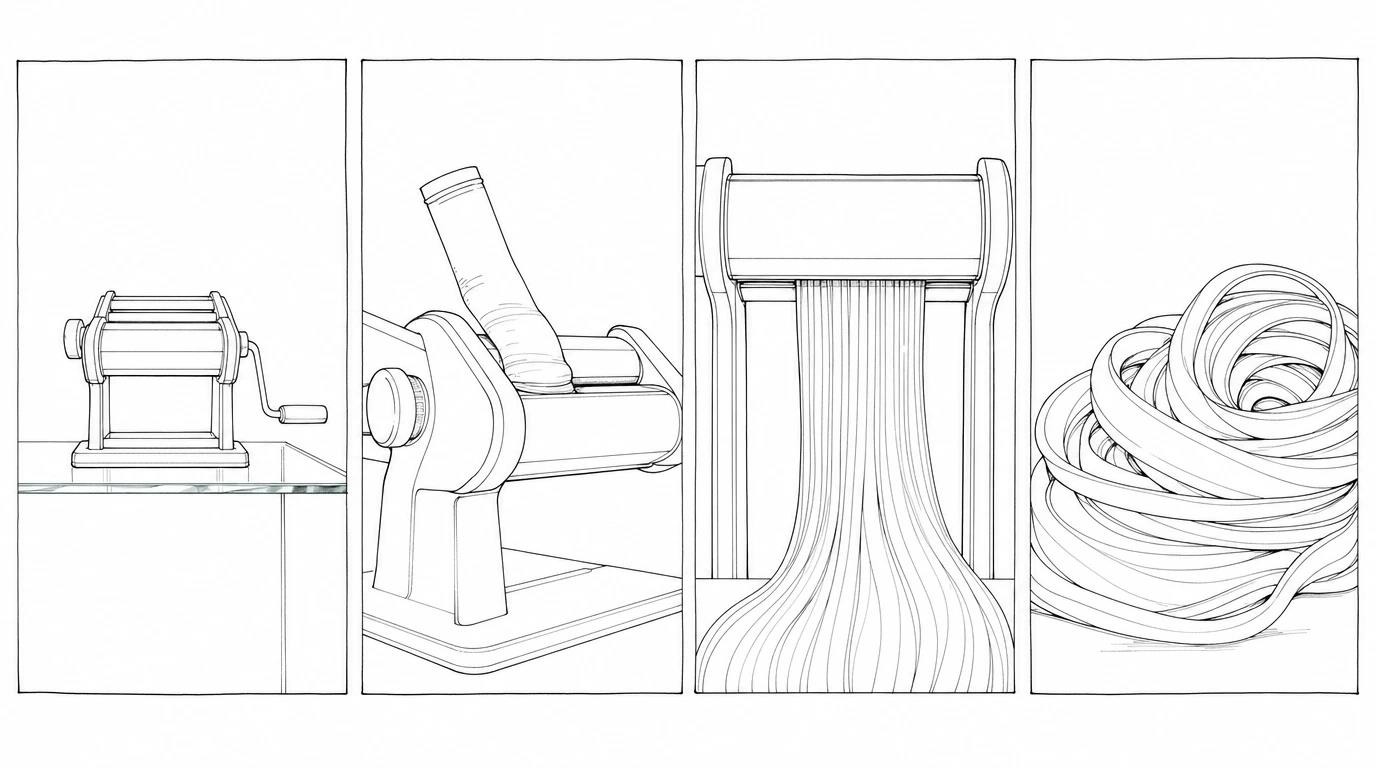
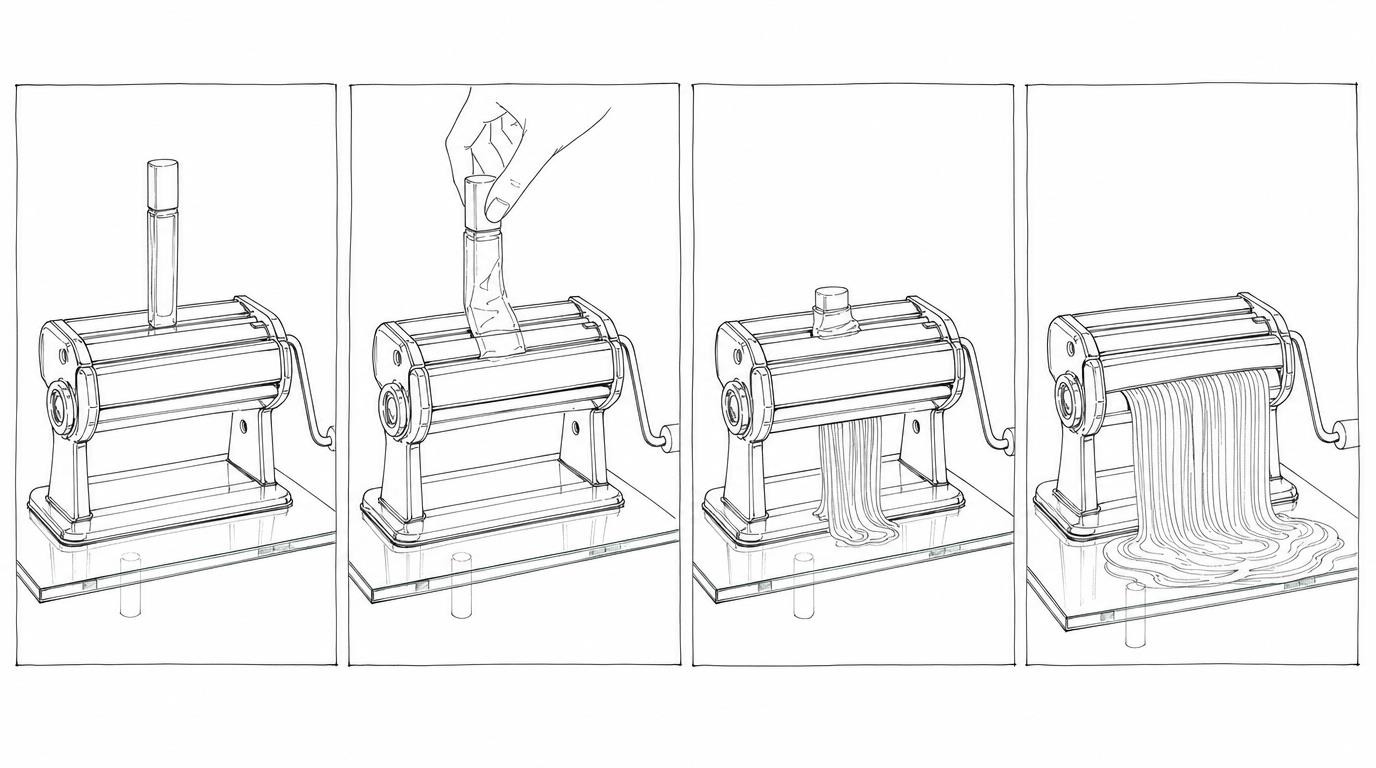
The workflow
The Zara Beauty film, which Maria refers to as the hardest she’s made for them, is a good example of how she works: three lip oils in red, peach and pink, each fed into a machine so the color comes out the other side as something you could almost taste.
Once the idea is approved, Maria starts on the frames in a Krea image session, and the only reference she uploads is the product itself, usually photographed by Zara’s team on an iPhone. Her prompts are long and carry two things at once: Zara’s look (realistic but editorial, never too cold or too warm, always elegant) and the direction she and the Zara team agreed on for that campaign.
Even through these thorough prompts, a description only gets you so far. The Zara look is hard to pin down, and the only way to know whether a frame has it is to see it. So Maria generates, Zara reacts, and she adjusts and sends a new version back. Because a new version in Krea takes minutes, there’s always an image on the table, and the conversation between both teams happens around it from the first frame to the final cut.
With the lip oils, that started before Zara saw anything. Maria tried the idea out on a handful of machines in Krea: a shredder, a couple of meat grinders, even one that turned the lip oil into gummy candies… but the one that made it to the client was a pasta machine.
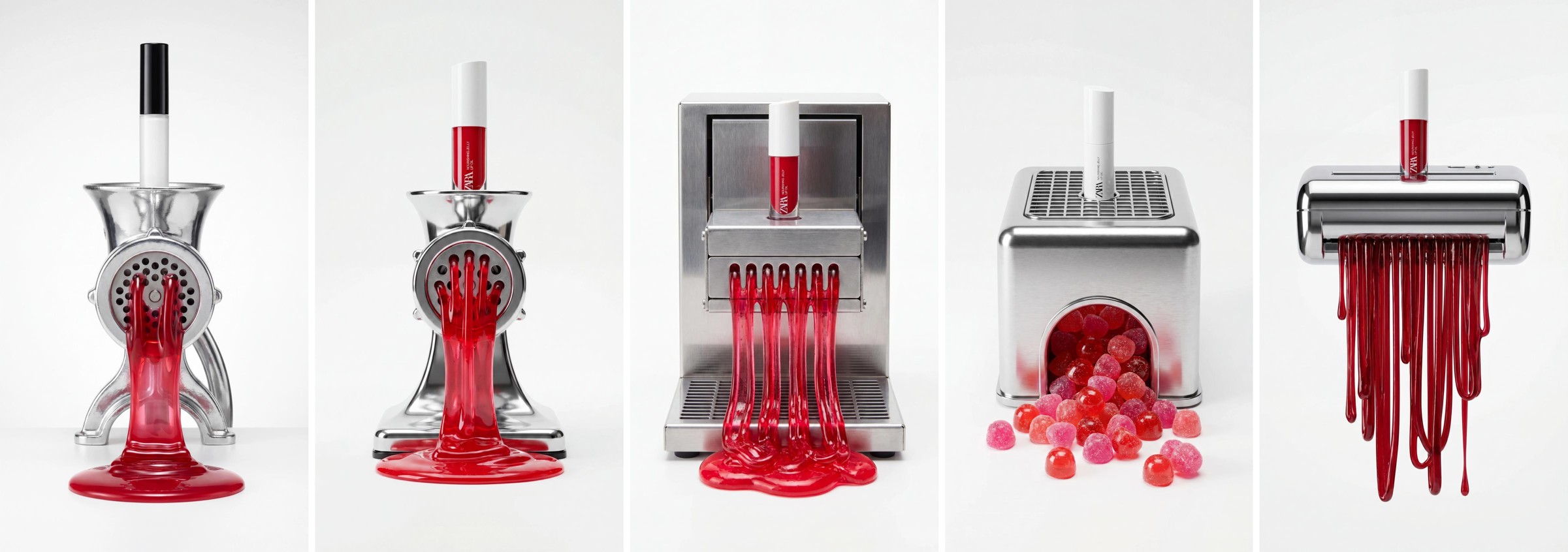
From there, the first round with Zara set the scene, and the rounds after that were about texture, with a version for each shade. Each texture had to feel tied to its own product: the red one, for example, had to look like red licorice. Every version went through social, product and Zara’s beauty team, and new notes kept coming in, which is easy to absorb when the next version is only a few minutes away.
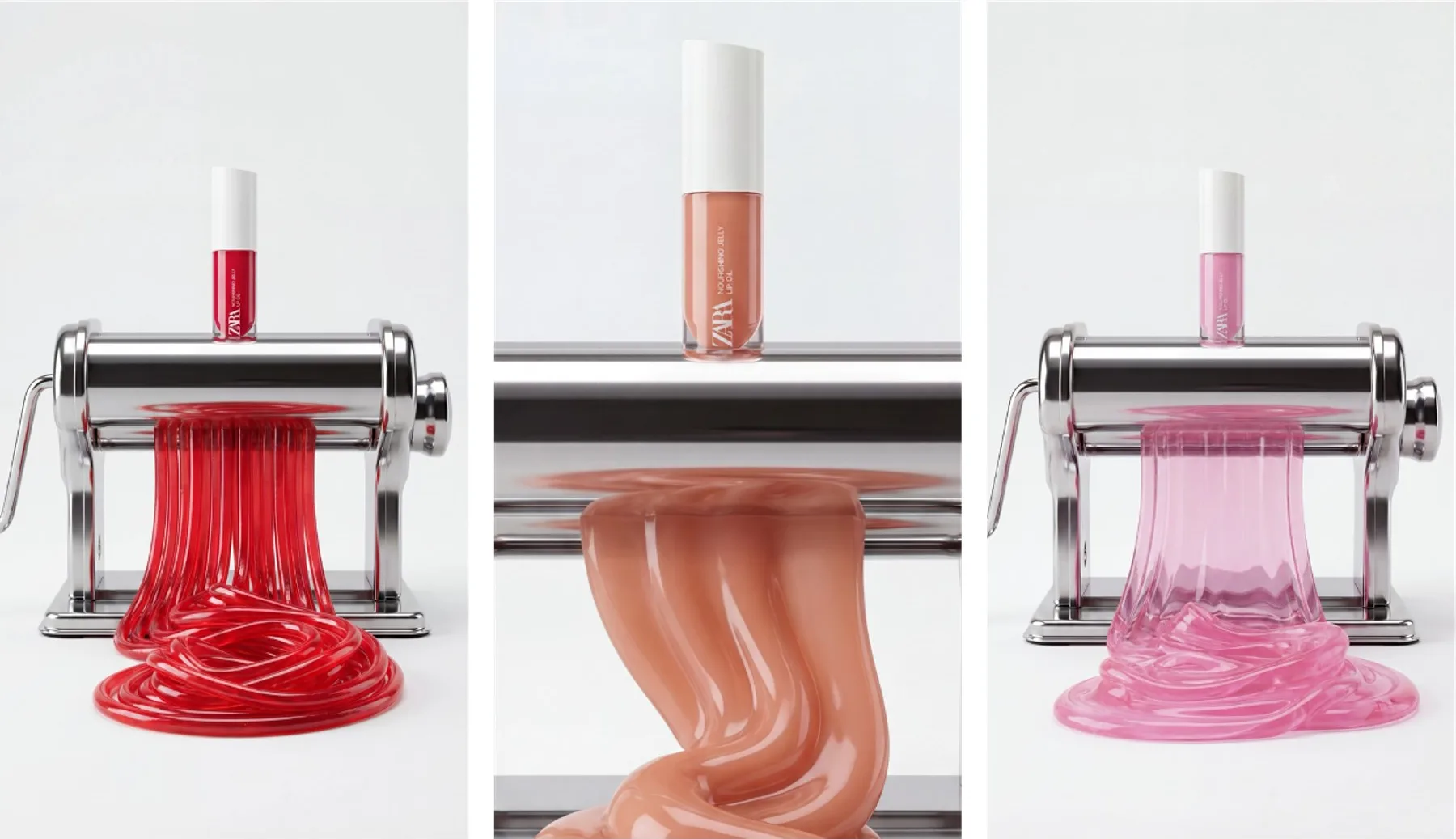
Once the stills were approved, Maria generated a separate video for each product, with prompts like this one:
Chrome pasta machine centered on white surface [...] Texture: exactly like red licorice candy, semi-translucent deep red, light passes slightly through it [...] Every movement at the absolute slowest possible pace.
The result
We usually hear two kinds of stories from teams using Krea. In the first one, the win is volume: content goes out fast and cheap. Zara is the other kind: every film goes through several teams and several rounds of feedback, and what Krea changes is how many iterations fit into the process. That’s how the films end up this polished, carefully curated and on brand.
And fun. To María, AI is all about the fun you can have with it. Anyone can shoot a lip oil on a glass shelf, but feeding that same lip oil through a pasta machine and watching it come out as licorice is a different story, and so is a bag riding on the back of a motorbike, or a bag inside a float rolling on a Tuscany balcony. Ideas like these tend to not make it to life because they are too costly or too much effort. With Krea (and María), they end up on Zara’s feed every month.
Reality used to set the limits of a campaign. With AI, the only limit left is how far you’re willing to play.
Curious what Krea could do for your brand?
Talk to our enterprise team about building a workflow around the way your team already works.
Contact Sales