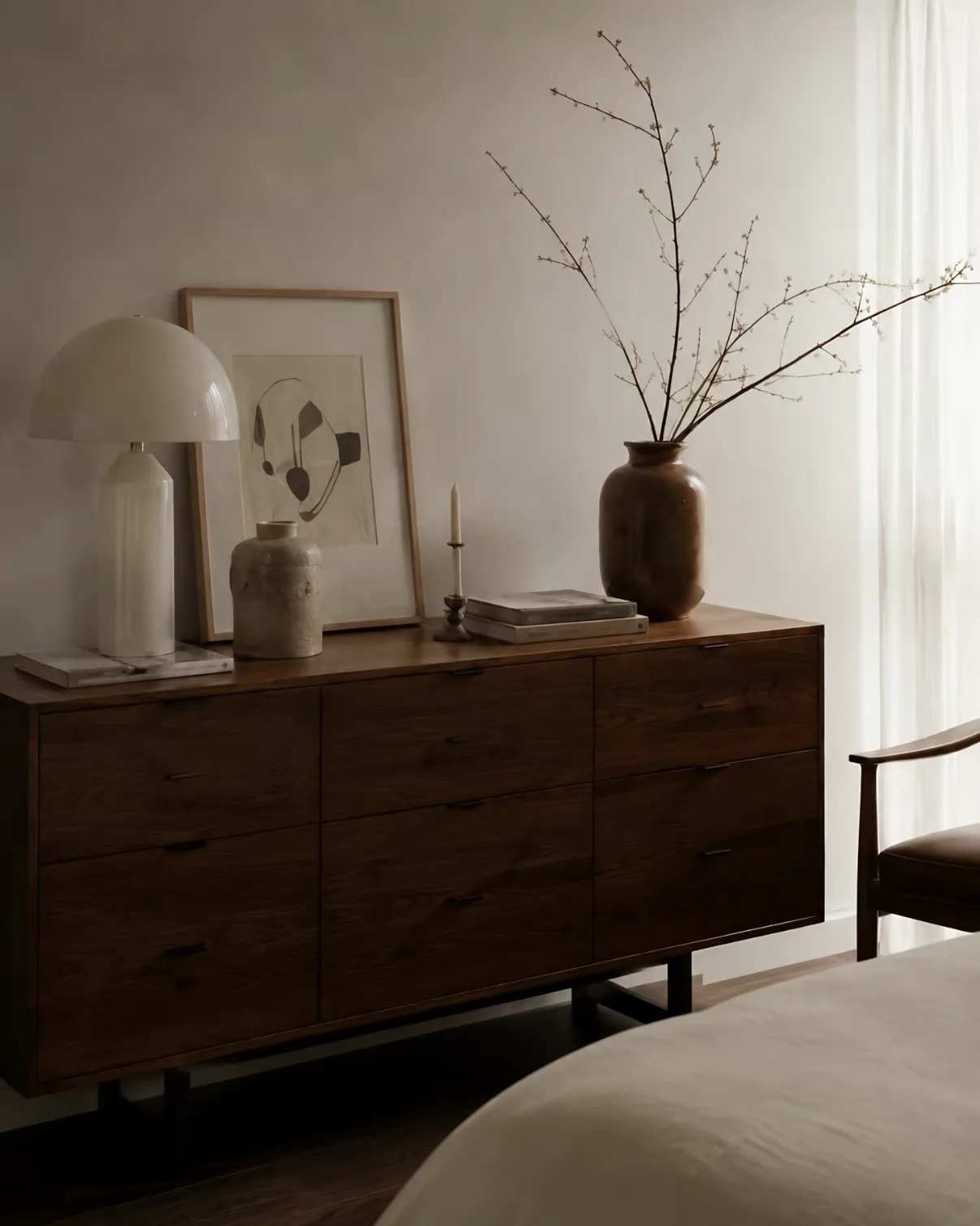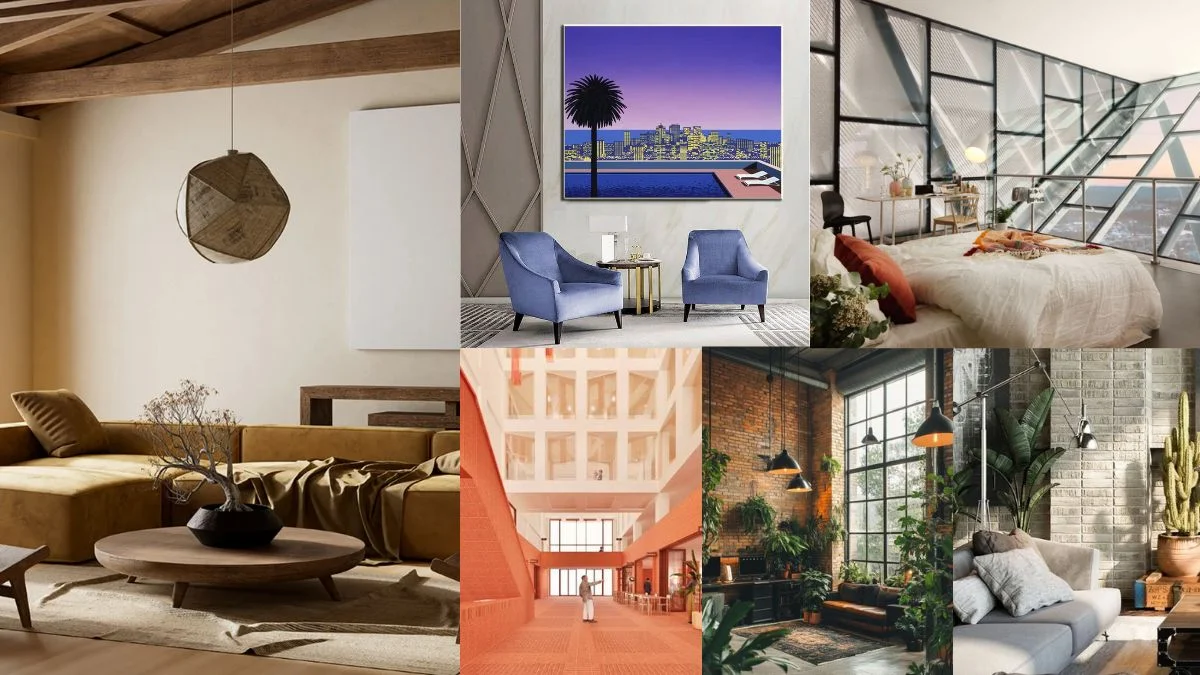
Every room argues for something. A bare plaster wall and a single oak bench argue for restraint; a lacquered emerald cabinet argues for drama. Learning the types of interior design styles gives those instincts names, so interior designers can paint the vision before it is built.
The names come from different places. Some mark a moment in history, the way Art Deco carries the 1920s in its geometry. Some describe a region’s habits, the way Scandinavian rooms treat light as a scarce resource. Others, like Japandi, are hybrids younger than the furniture inside them. What every style shares is a repeatable logic of materials, color, and ornament, and that logic is yours to follow or break. Interior designer Nate Berkus has said the best design projects were the ones where people broke all the rules.
The 17 interior design styles below start with today’s most searched hybrids and end in the eighteenth century. Each entry names the look’s defining moves, and most point to a famous work you can study.
1. Japandi
Japandi offers a disciplined route to warmth between Scandinavian and Japanese design. It was one of the most searched hybrid styles of the 2020s, marked by low furniture that keeps rooms grounded and calm. Choose it when you want spare surroundings that do not feel polished to the point of severity.
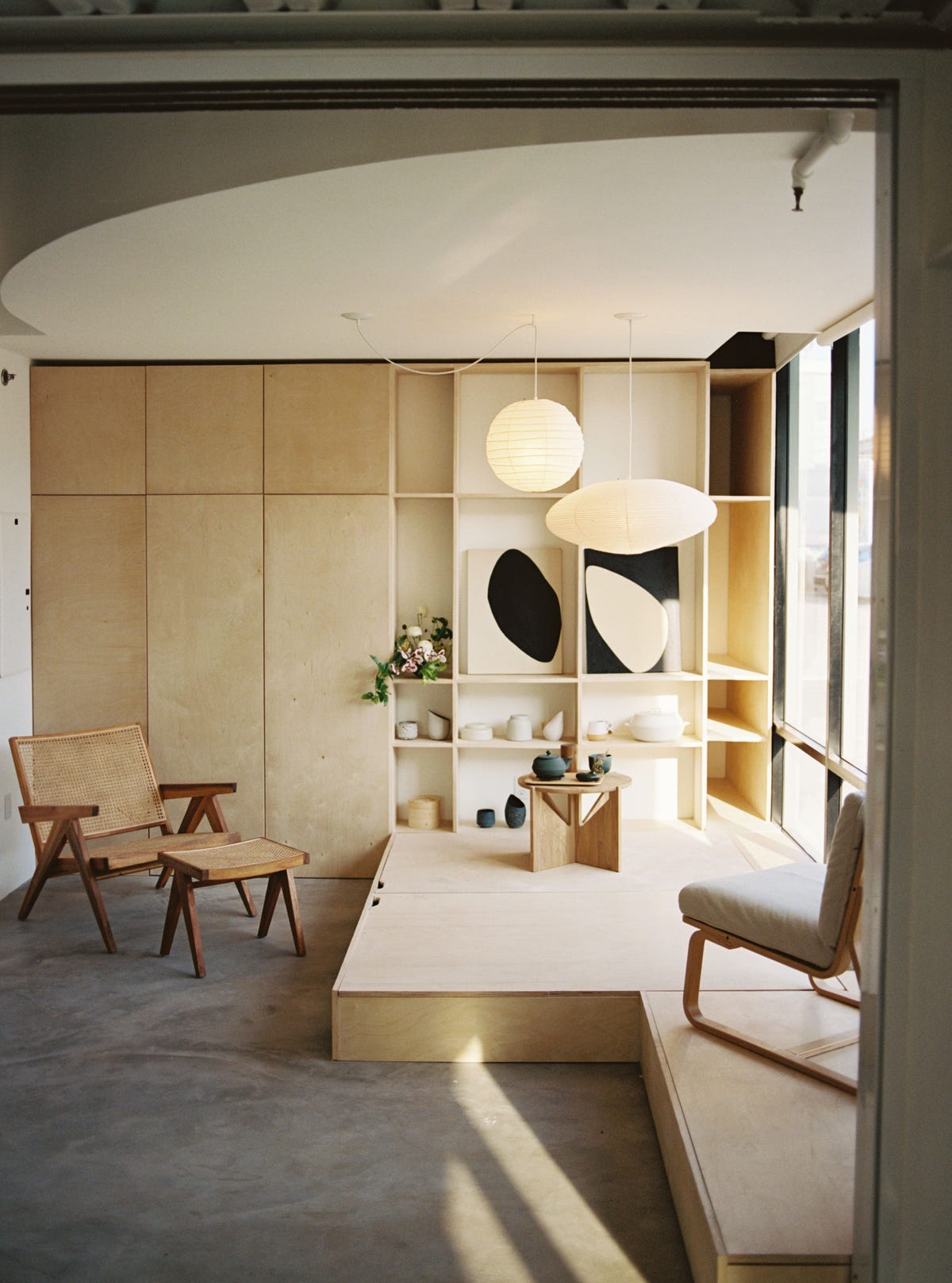
Let lower furniture and irregular ceramics carry the personality, so a neutral palette reads as intentional rather than blank.
See Japandi in your room
Upload a photo of your space and restyle it in any of these 17 looks with Krea.
Restyle your room2. Art Deco
Art Deco turns the geometric optimism of the 1920s into rooms that feel dressed for an occasion. Symmetry does the structural work: stepped forms, sunburst motifs, and strong repeating patterns organize walls, floors, and lighting. Materials carry the glamour, with lacquered wood and marble on the surfaces, brass and chrome on the details, and velvet on the seating, all set against saturated jewel tones.
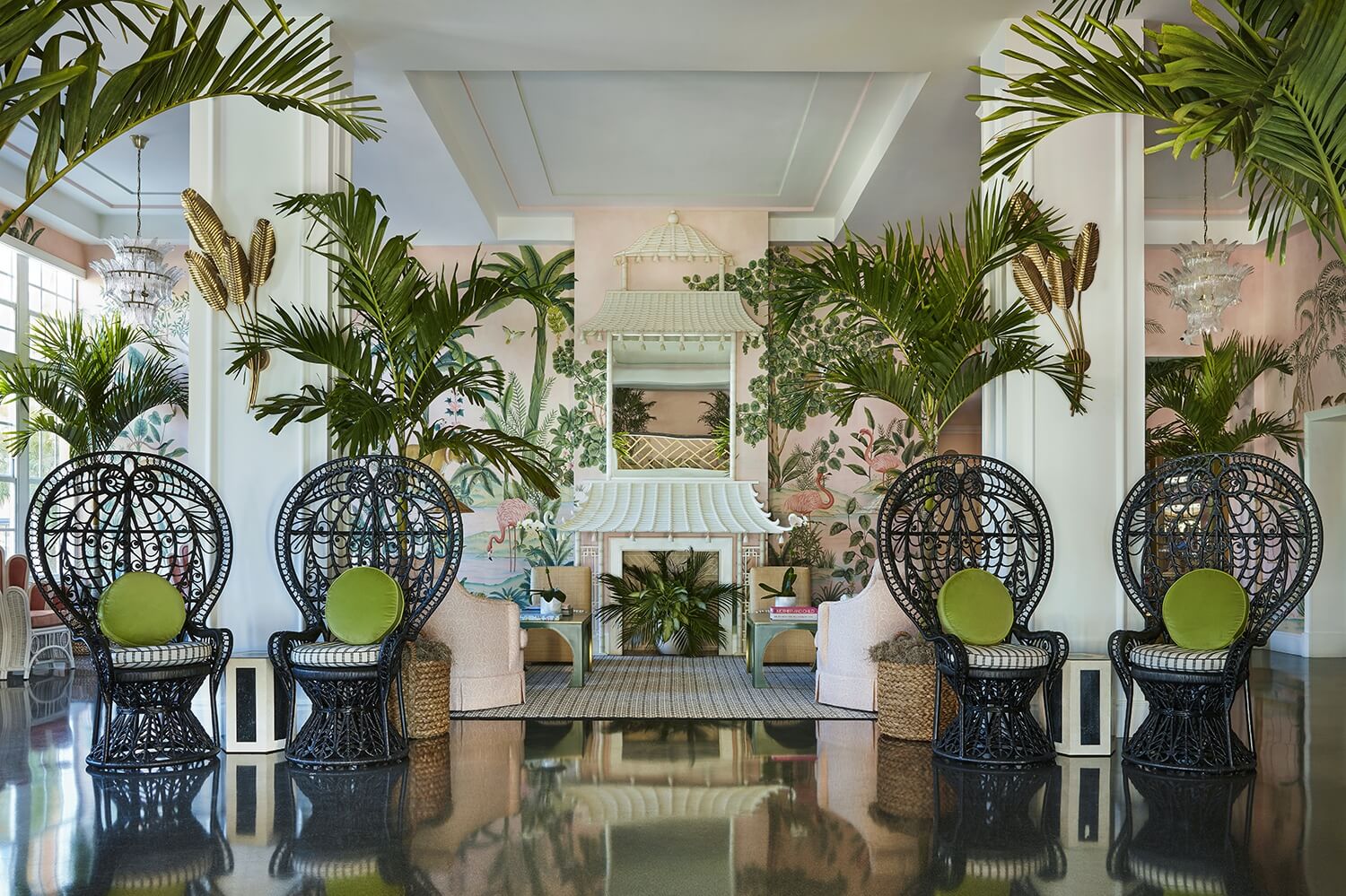
The style rewards committing to a few statement pieces over wall-to-wall ornament. A mirrored bar cabinet, a fluted sofa, or one geometric chandelier reads as Art Deco on its own. The Colony Hotel in Palm Beach shows how the period reads at full scale: the 1947 British Colonial landmark used its lockdown-era renovation to revive the original lobby, and Kemble Interiors brought back the black terrazzo floors, the conversation pods, and the Art Deco chandeliers that put the room squarely back in the 1940s.
3. Scandinavian
Scandinavian design makes minimalism livable by joining coziness, functionality, and visual restraint. Scandinavian rooms balance comfort with restraint through high-pile rugs, natural wood tones, and cool muted paint, making everyday use feel considered without crowding the room.
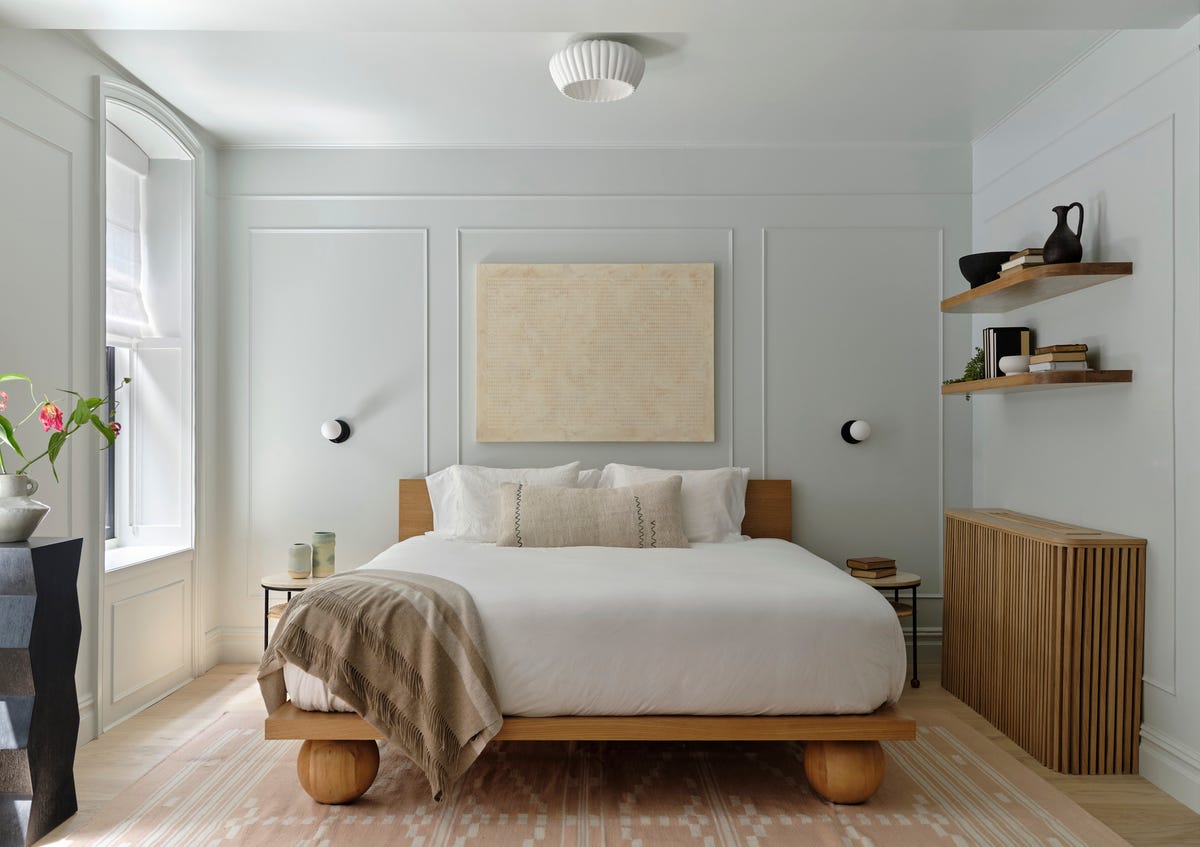
In a Fort Greene brownstone bedroom, the Brownstone Boys paired cool gray-green paint with a wood bed on oversize ball feet while nodding to Japanese minimalism. Villa Mairea (1939) by Aino and Alvar Aalto shows how Nordic modernism joins organic forms and natural materials to function. If pale wood still feels inviting after you remove clutter, this approach has enough softness for your room.
4. Amsterdam School
The Amsterdam School gave Dutch housing of the 1910s and 1920s an expressionist face, and its interiors are as sculptural as its brick facades. Furniture from the movement looks almost carved, with heavy rounded forms, wrought iron and stained glass details, and warm woods that make a room feel handmade. Architect Michel de Klerk led the movement’s most famous work, Het Schip in Amsterdam, a 1919 workers’ housing block that now operates as a museum of the style.

Bring it home through one expressive anchor: a parabolic-arch mirror, an amber stained-glass lamp, or a chunky sculpted armchair against plain plaster walls.
5. Alpine Chic
Alpine Chic turns Swiss-chalet and French-Alps references into polished, moody comfort. Alpine Chic polishes mountain materials into a moody interior: reclaimed wood, stone, and iron create the structure, while shearling adds tactile softness and a layered dark palette deepens the finish.
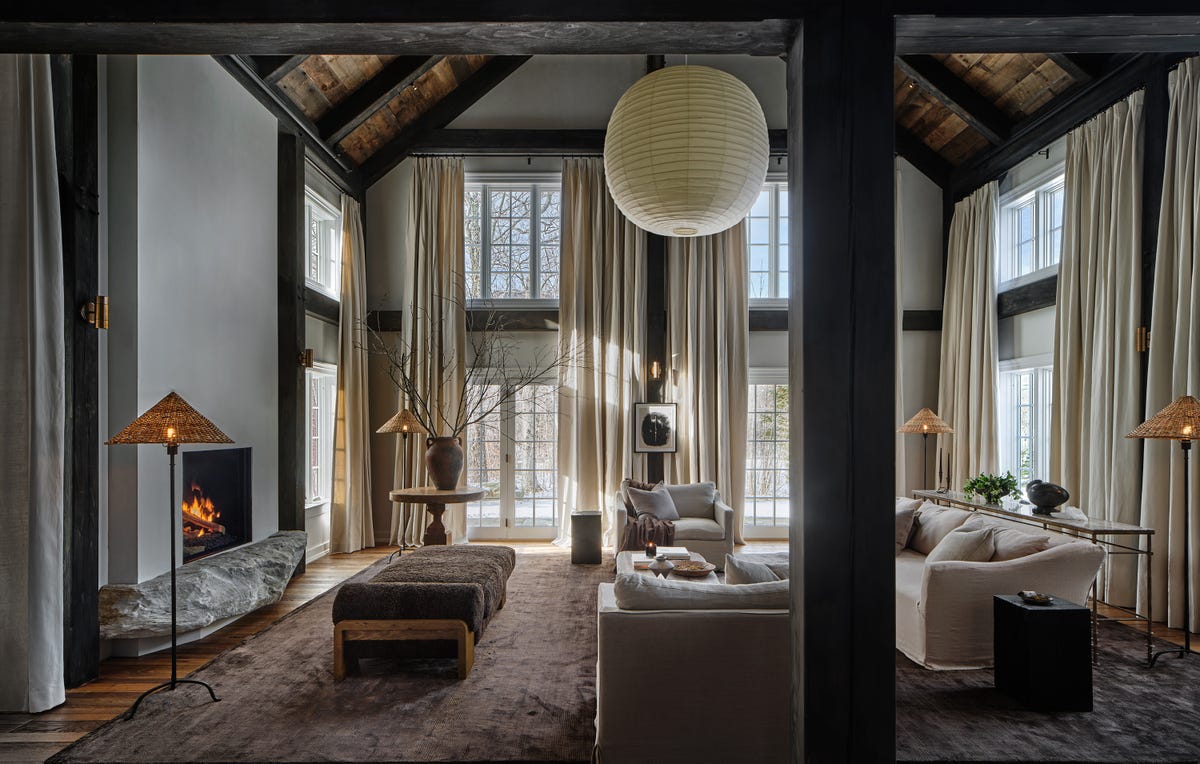
Jeremiah Brent’s Vermont home provides a moody reference for the style. Layer plush textiles over wood and stone so the architecture feels like shelter rather than an unsoftened cabin set.
6. Biophilic
Biophilic design makes connection to nature the organizing principle of a room. Biophilic design expresses a connection to nature through living greenery, abundant natural light, and recycled furniture or upholstery materials.
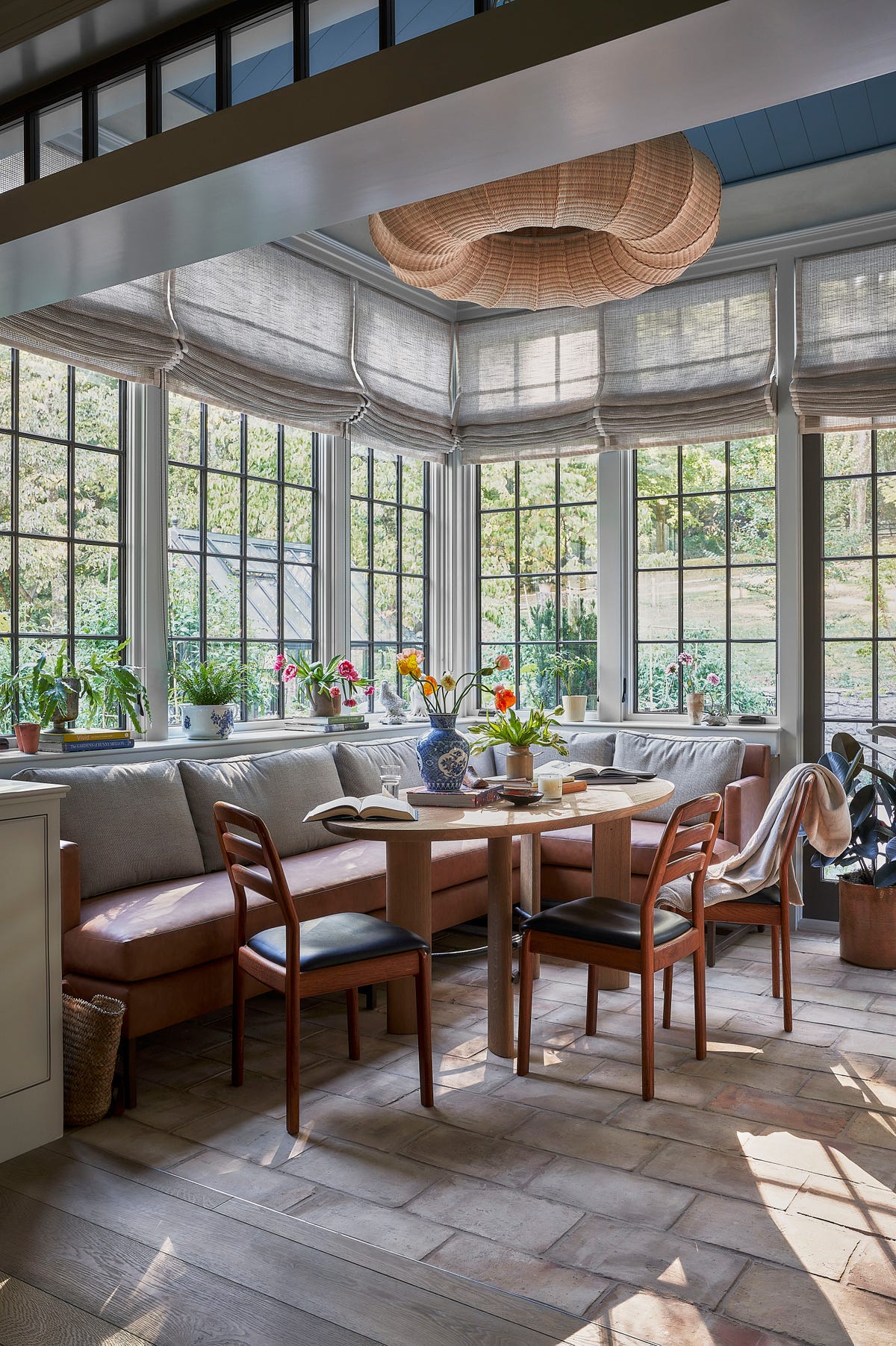
Designer Liz Bonesio’s sunroom frames exterior greenery through tall windows and floods potted plants with light. Bosco Verticale in Milan by Stefano Boeri Architetti carries about 800 trees and 20,000 plants across two residential facades. Start with the light and view your room already has, then add planting and recycled materials that reinforce them.
7. Midcentury Modern
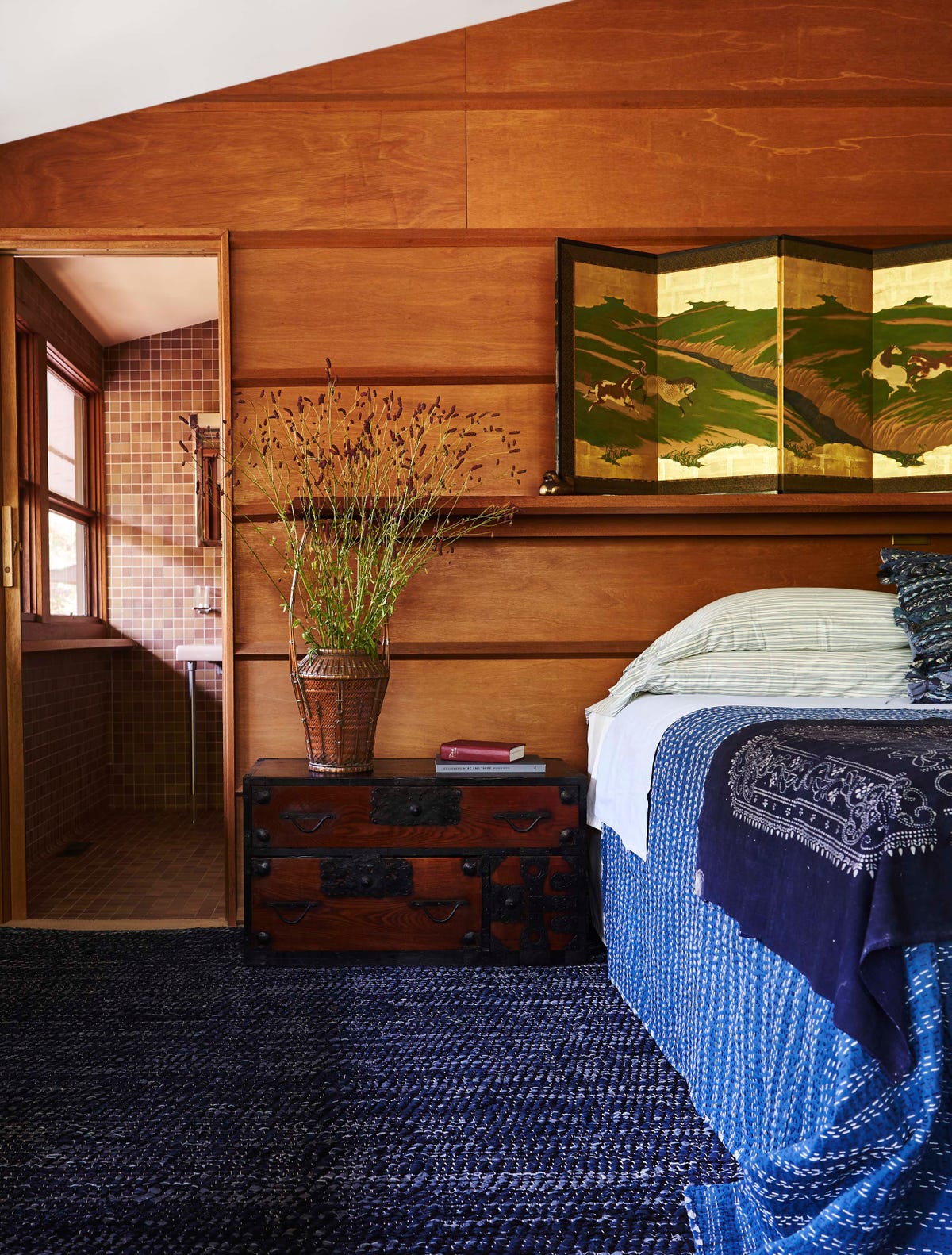
Midcentury Modern rewards a precise reading of a period often stretched into a catchall label. It covers designs from roughly the mid-1940s through the early 1970s, marked by warm wood paneling and chrome details. A Frank Lloyd Wright house restored by Sarah Anderson-Magness retains warm wood paneling, brown bathroom tile, and chrome plumbing.
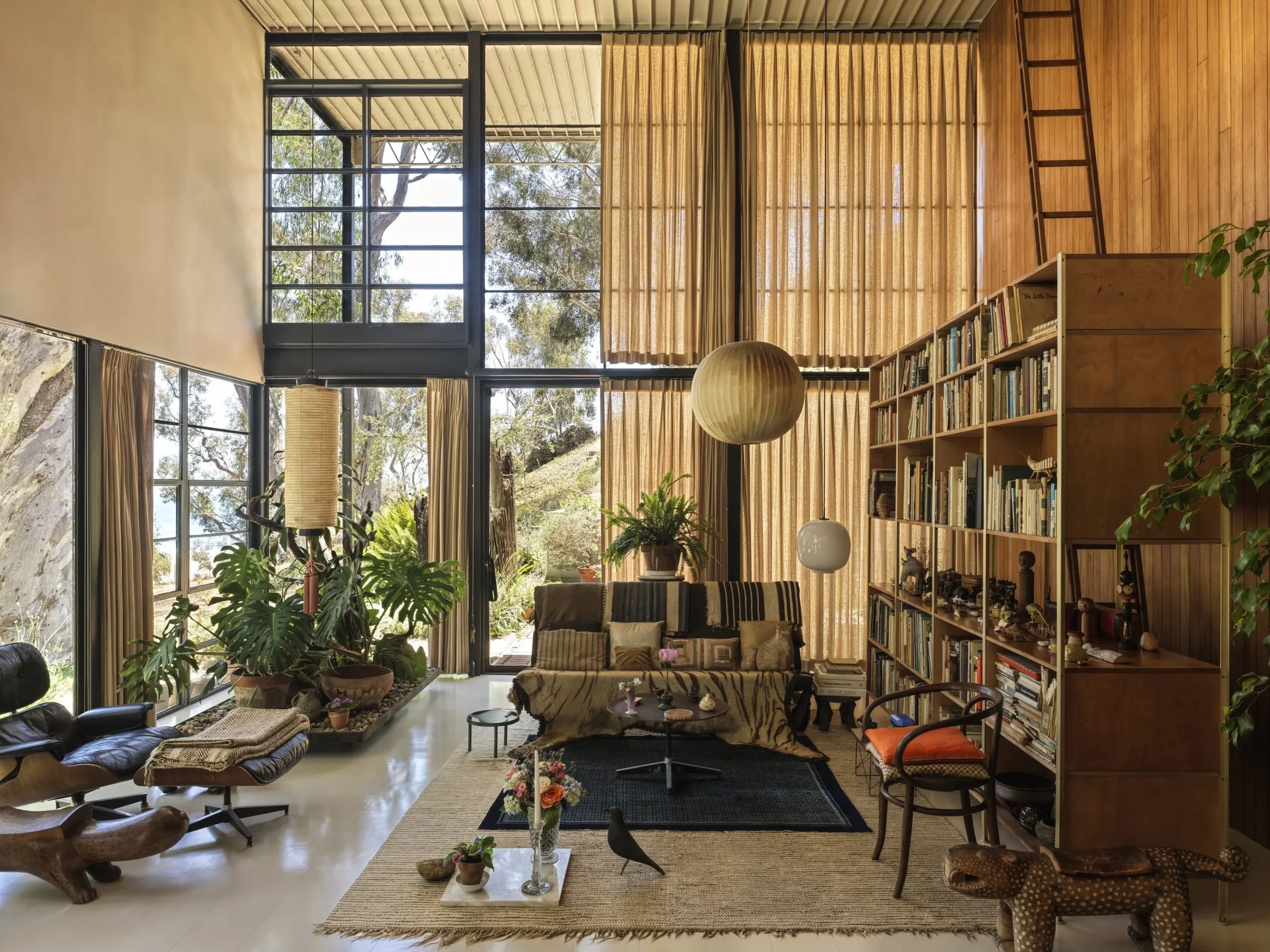
The Eames House by Charles and Ray Eames preserves a Pacific Palisades interior as the Eameses lived in it. Use a few period-specific anchors first, because wood, tile, and hardware establish the era more convincingly than a generic retro shape.
8. Chinoiserie
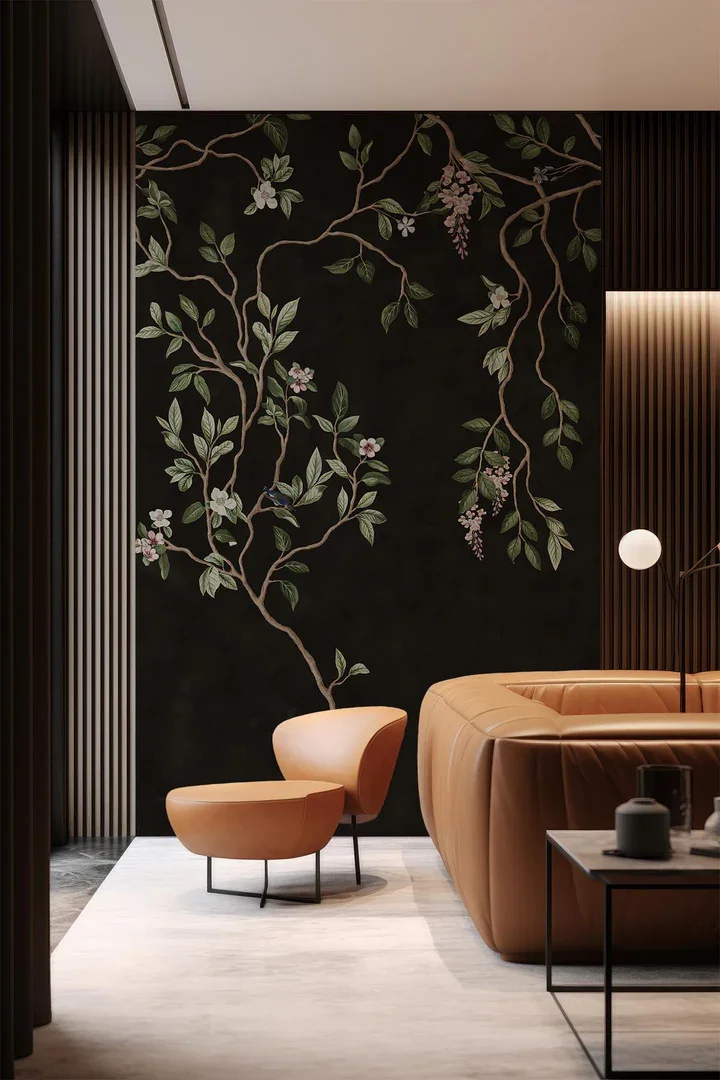
Chinoiserie is the West’s centuries-long love letter to Chinese art, and it remains the most established route to Chinese style in a Western room. Hand-painted wallpaper carries the look, with birds, blossom branches, and garden pavilions climbing the walls. Lacquered cabinets, blue-and-white porcelain, and bamboo fretwork complete it, and the best rooms borrow the clean curves of Ming furniture to keep the scene from tipping into theme.
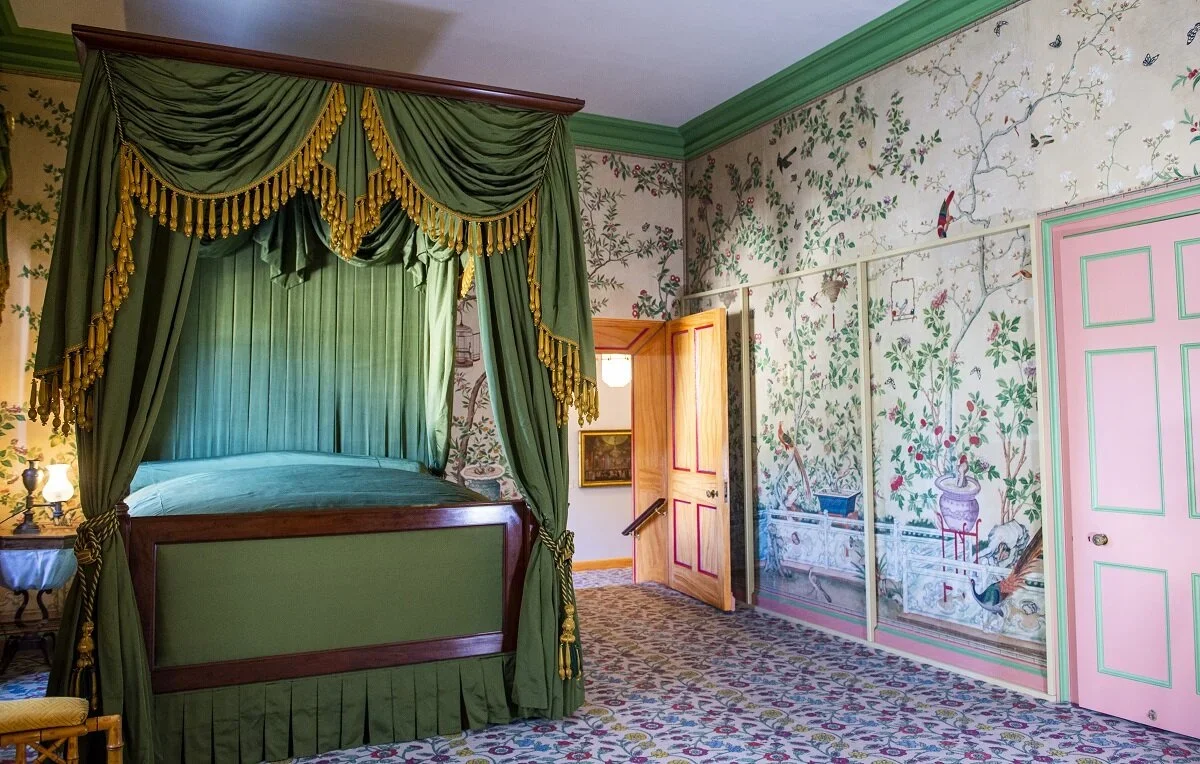
The Royal Pavilion in Brighton, rebuilt for George IV between 1787 and 1823, houses one of the largest collections of chinoiserie decoration in the UK, dragons and pagodas included. At home, one hand-painted panel or a single lacquered chest reads as considered; a full matched set reads as a showroom.
9. Minimalist
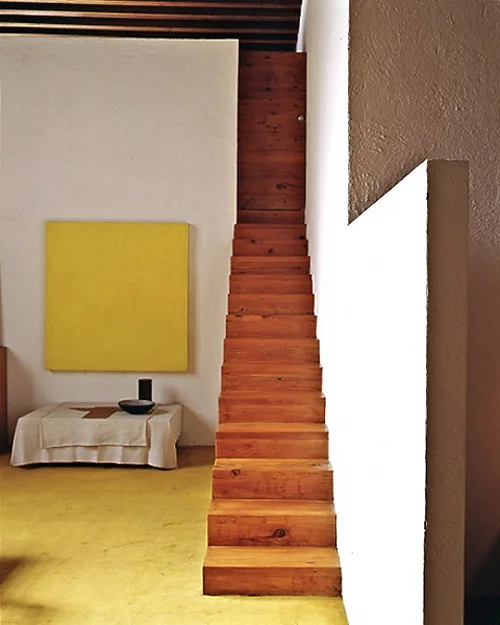
Minimalist interiors make light, contrast, and exact material choices do the work ornament does elsewhere. Restrained palettes and negative space demand decisive editing, because every remaining edge, finish, and source of light becomes visible.
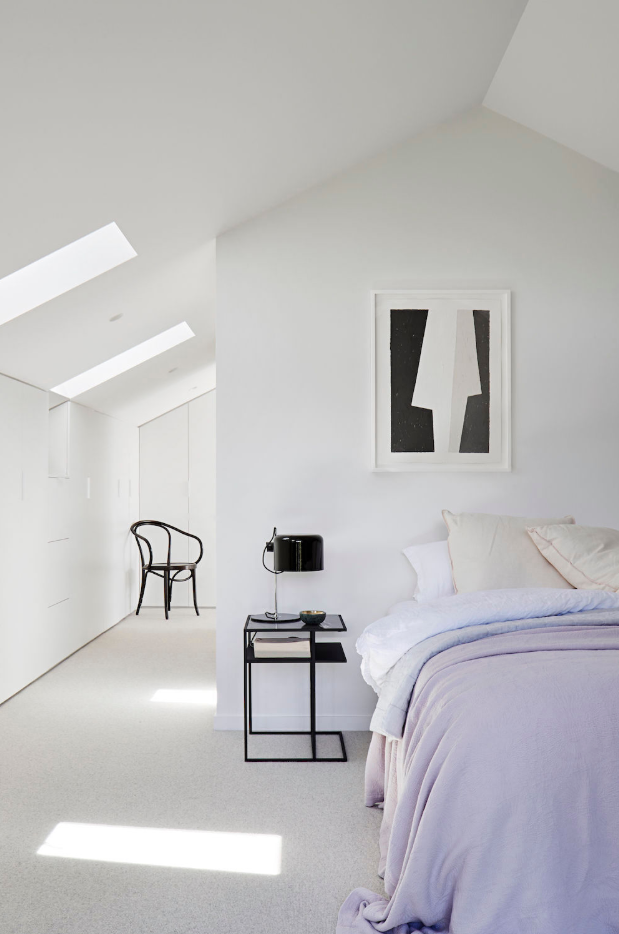
Australian practice Robson Rak supplies a clear contemporary example. Luis Barragán House and Studio (1948) in Mexico City uses bold monochrome planes and light in ways that shaped minimalism worldwide. Before removing objects, decide what the light will meet; empty space only feels deliberate when the remaining planes have purpose.
10. Maximalist
Maximalism permits abundance when color, pattern, and collections remain in balance. Pattern on pattern, saturated palettes, and curated objects can create a rich room, yet random accumulation prevents the eye from registering each layer.
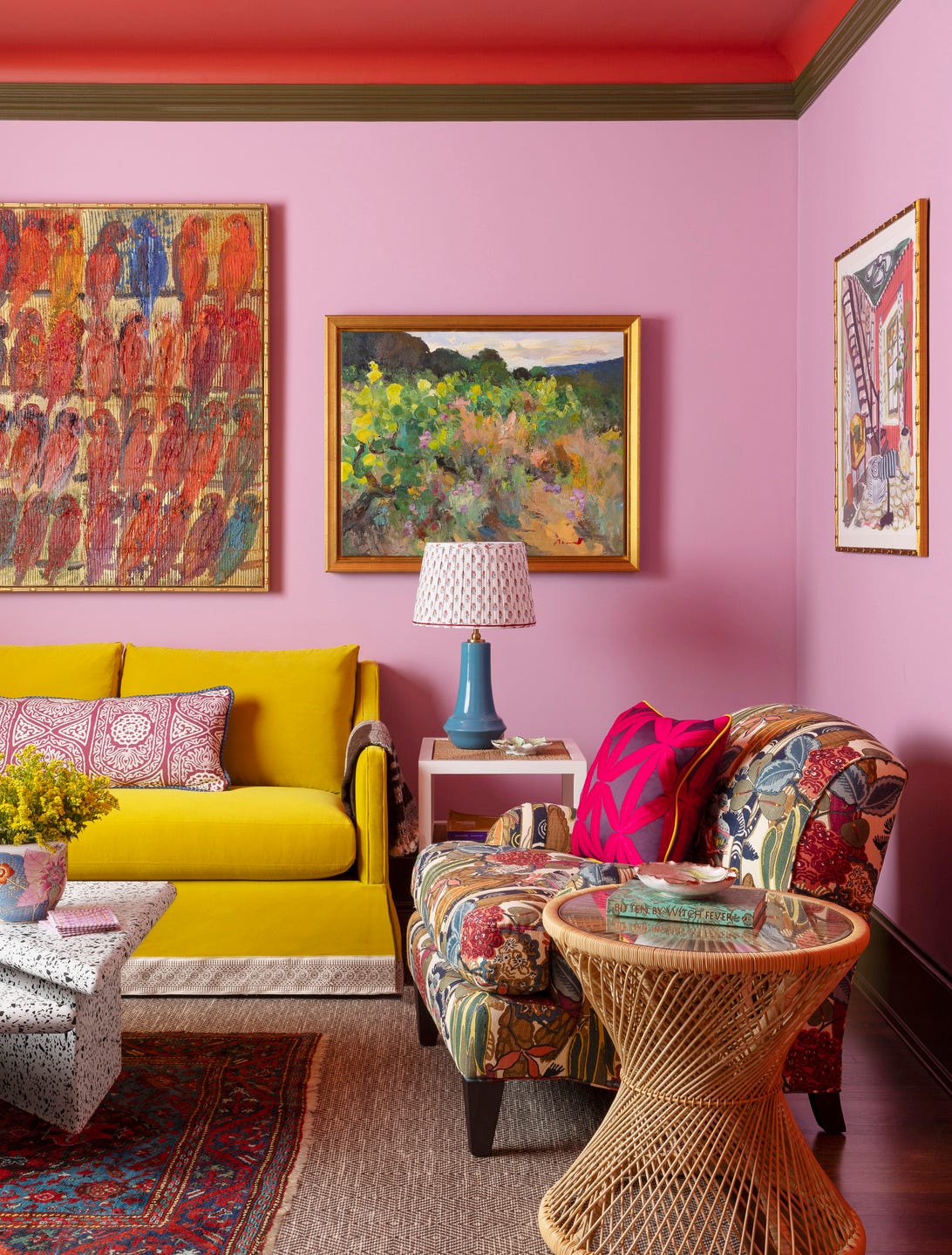
Isabel Ladd paired palettes wall to wall in her primary suite for House Beautiful’s 2023 Whole Home. House Beautiful’s 2023 Whole Home in Hinsdale, Illinois is a representative reference. Although many patterns can overwhelm, a curated palette and collection give the room enough order to hold together.
11. Neo-Industrial
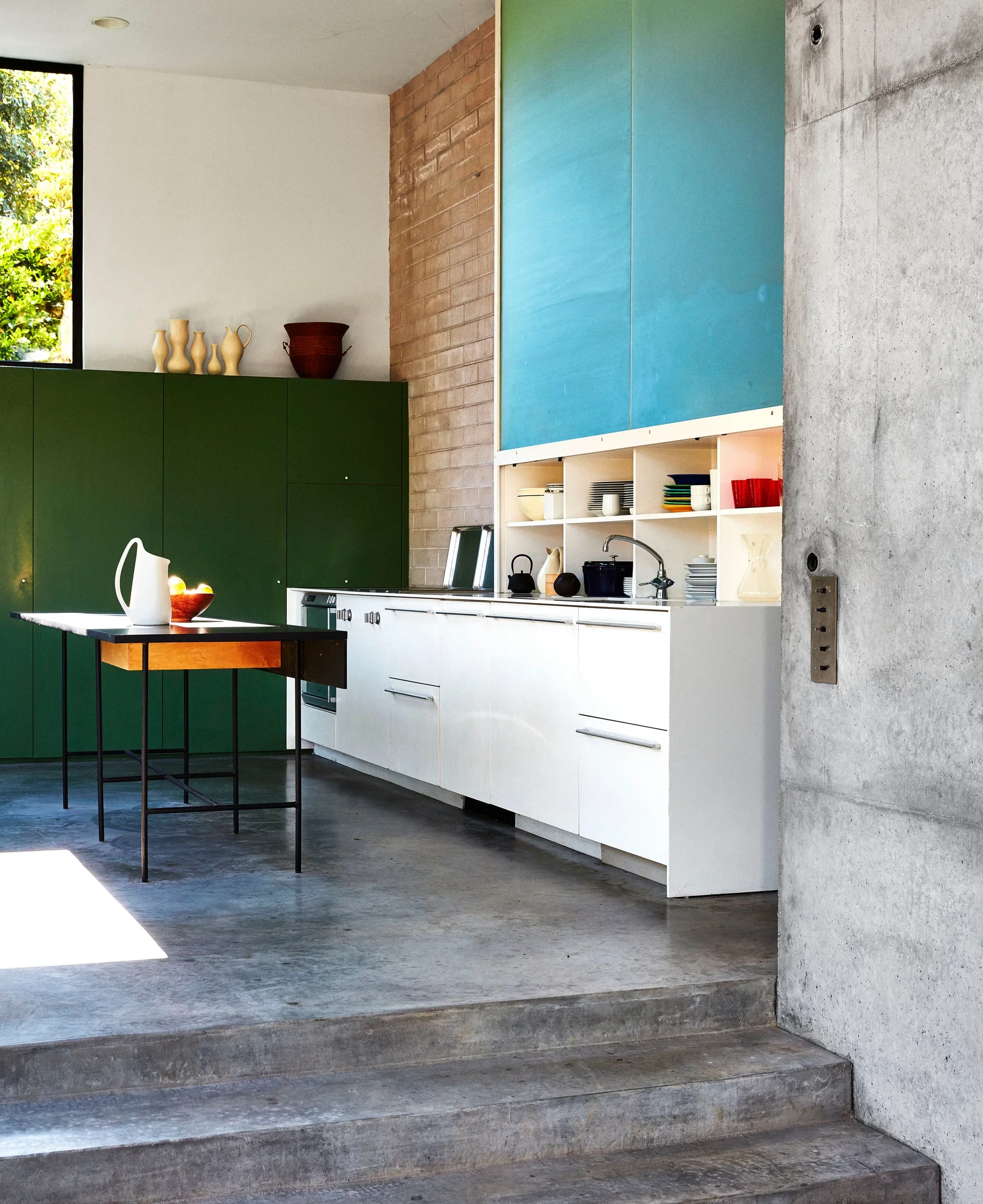
Neo-Industrial adapts the hard shell of industrial architecture for residential comfort. Exposed concrete, steel, and structure establish the style’s industrial character, while upholstered furnishings and warm domestic lighting make the rooms comfortable to inhabit.
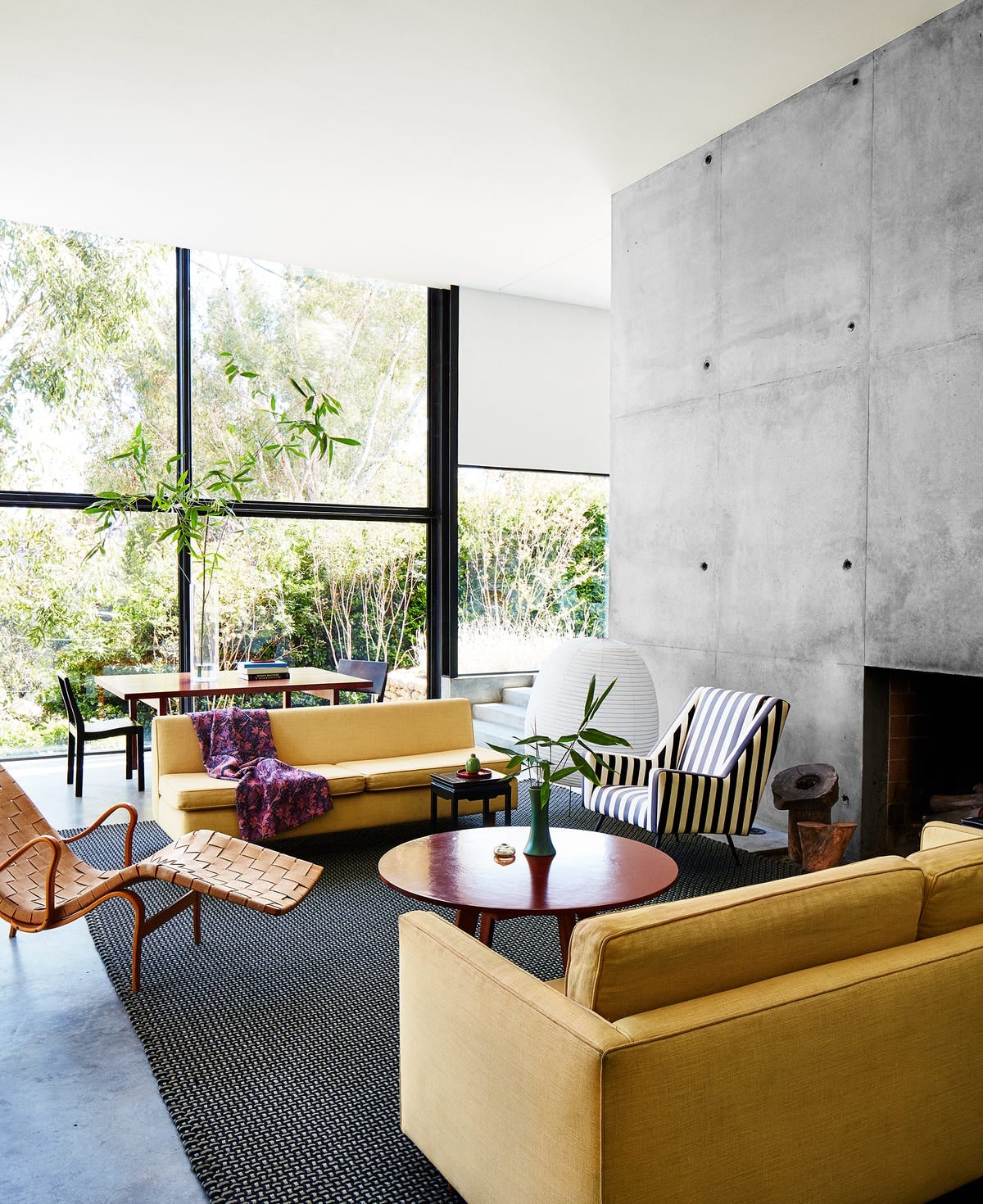
Kathleen McCormick’s San Diego home shows the residential version of this approach. Soften concrete and steel with the elements people touch and use daily, allowing the structure to remain visible without taking over daily life.
12. California Coastal
California Coastal makes traditional coastal references feel relaxed through tailored natural materials. California Coastal balances polish with ease. Designer Chaney Widmer of Mix & Match Design Co. calls California Coastal “tailored yet casual,” pairing a neutral palette with green and blue accents and natural materials such as wood, rattan, and linen.
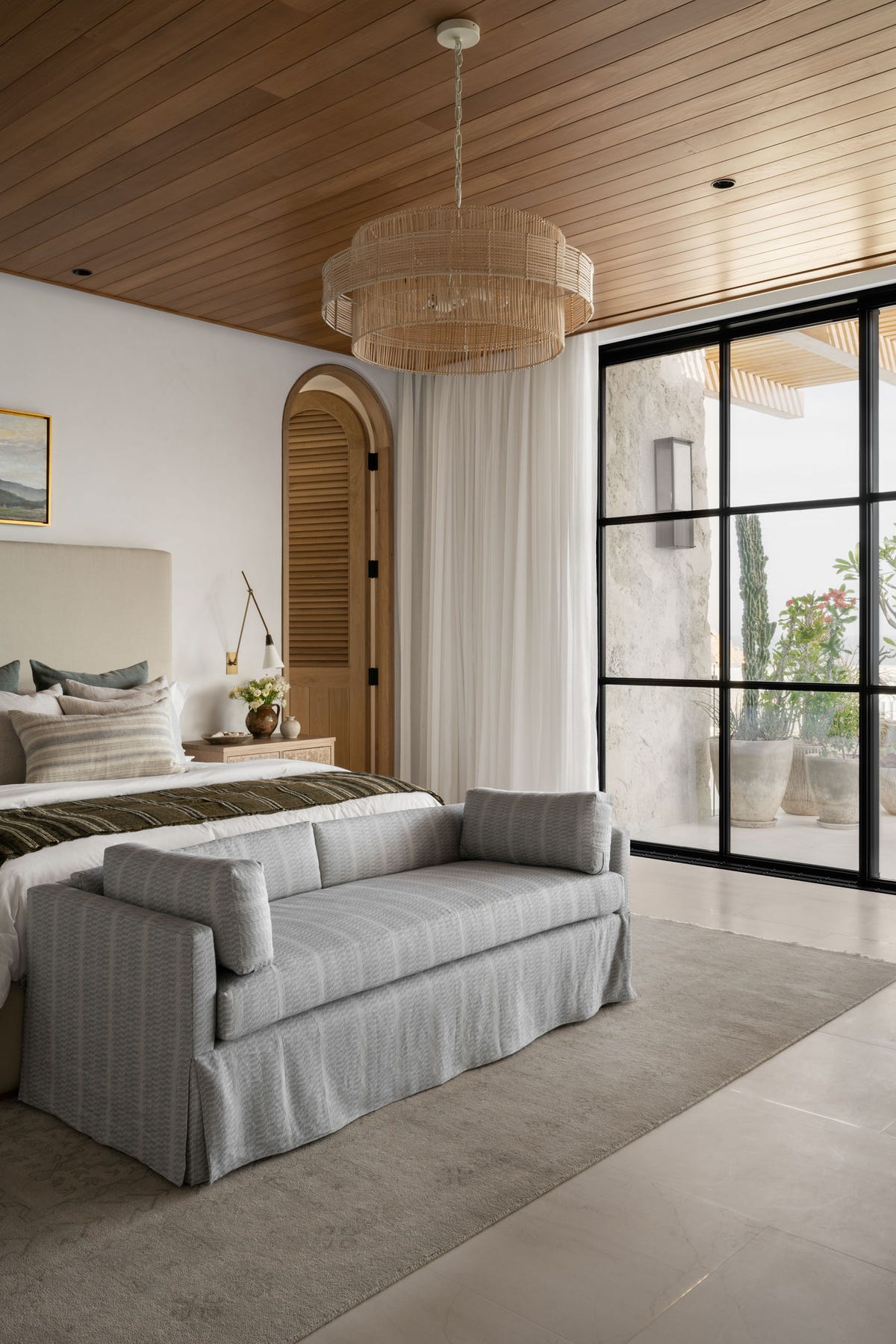
Studio McGee’s Dos Vistas house in Cabo is a useful reference for the style. Make linen, wood, and rattan the foundation, then use green and blue accents to support an easy coastal mood without relying on nautical decoration.
13. Mediterranean
Mediterranean interiors warm coastal design with Spanish, Italian, and French influence. Mediterranean interiors give blue and white old-world depth through terra-cotta, natural wood, and stone, creating a warmer coastal room.
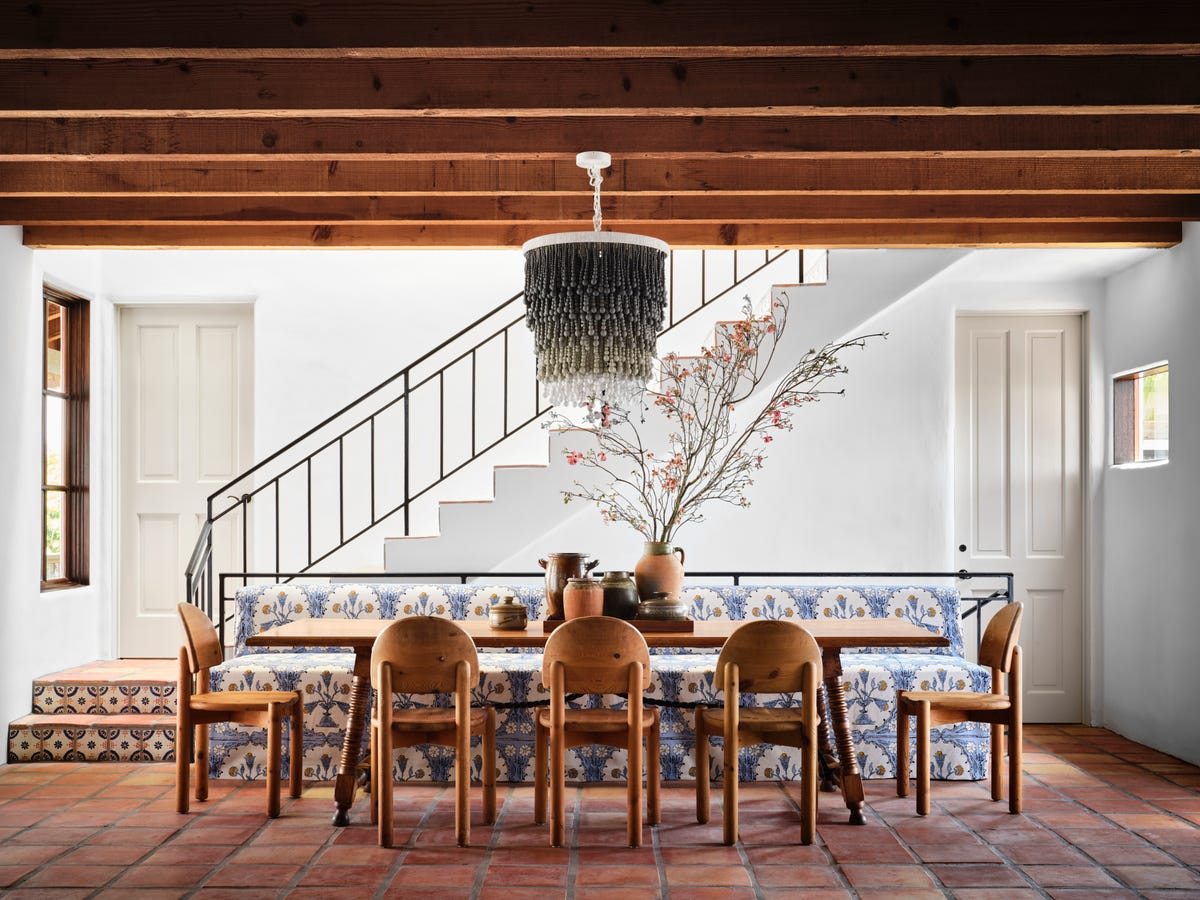
In a breakfast area, Jon De La Cruz paired an antique Spanish refectory table with Holland & Sherry banquette fabric. Jon De La Cruz’s Southern California house shows this warmer coastal direction. Establish one earthy Mediterranean anchor first: terra-cotta, stone, or an antique table grounds a blue-and-white scheme before coastal accessories.
14. Bohemian
Bohemian interiors use global references and deliberate mismatch to make a room feel collected. Bohemian style invites personal variation through jewel-toned textiles, large-scale patterns, and woven natural materials.
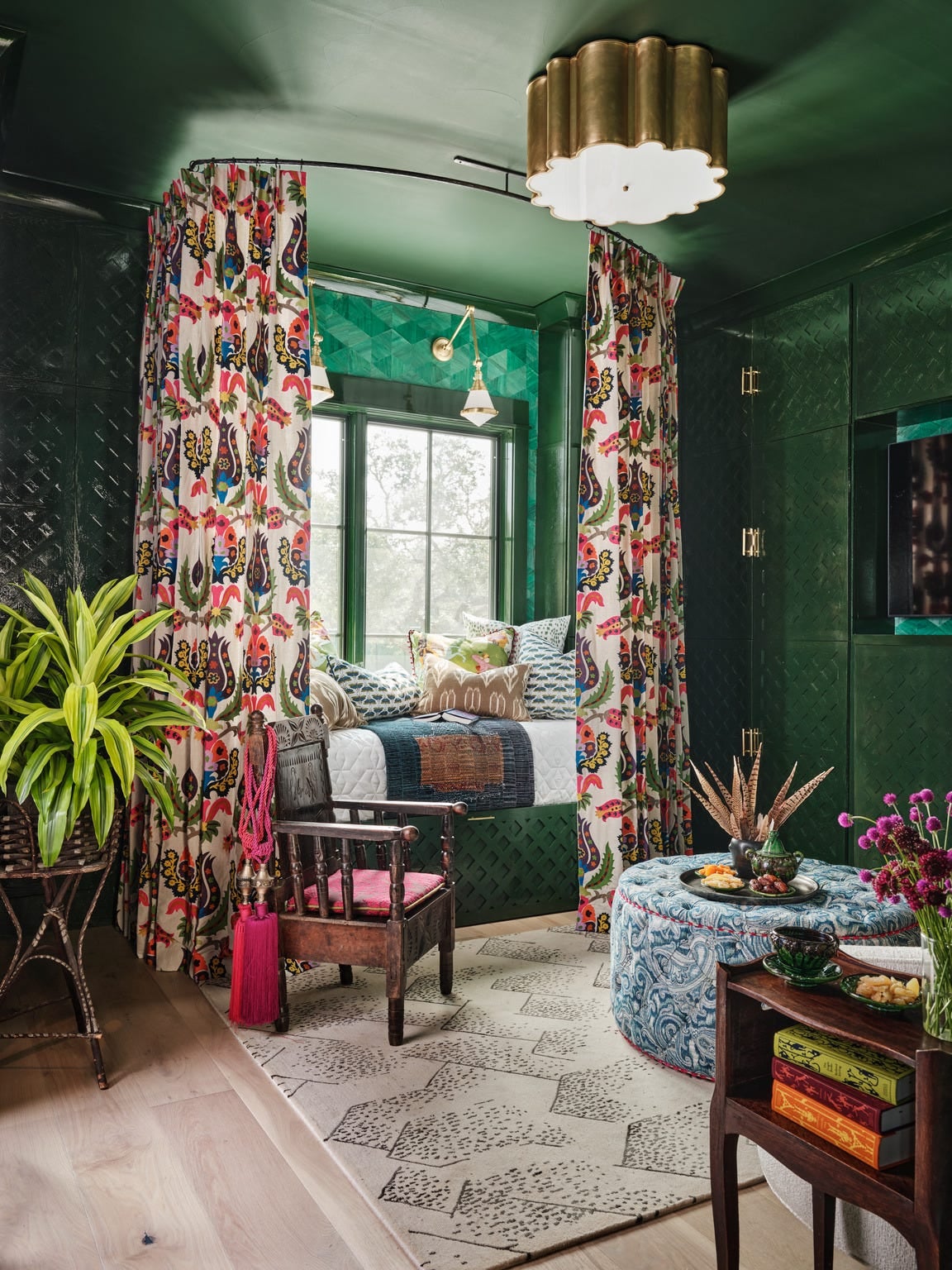
The “Jewel Box” media and guest room by French and French Interiors from House Beautiful’s 2021 Whole Home offers a vivid example. Start with one jewel-toned textile or large pattern, then let woven materials build the eclectic mix around that anchor.
15. French Country
French Country combines rustic warmth with the polish of antiques, textiles, and statement lighting. Natural materials, muted paint, and toile give a French Country room a welcoming, settled feel, while matching new sets can seem assembled.
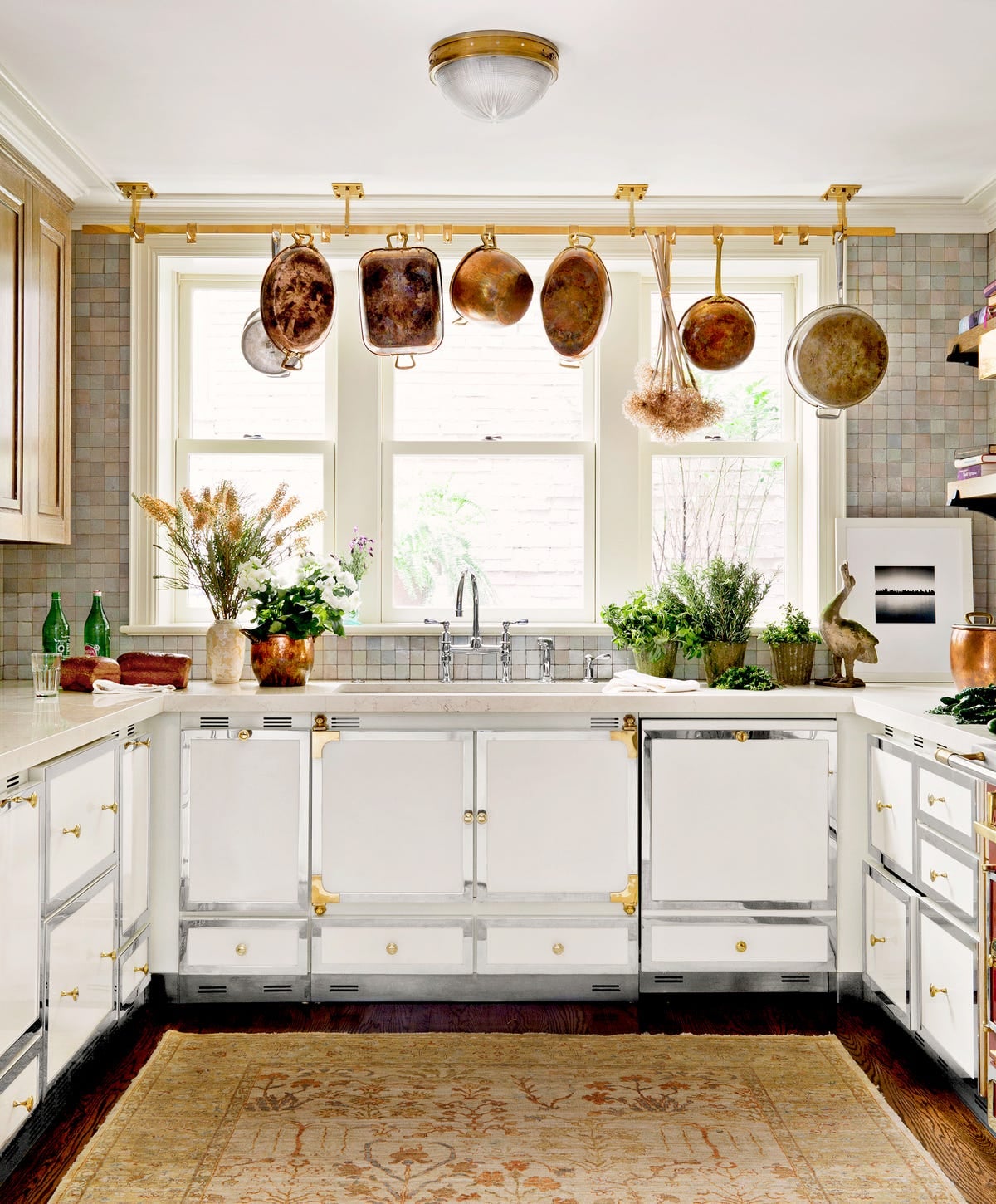
A kitchen by M Group provides an example of the style’s casual French polish. Build around an antique or a textile first, because the contrast between age and comfort gives the room its character.
16. Traditional
Traditional style uses European historical forms, symmetry, and formal furnishings while remaining livable. Historical order is explicit in paneled mahogany walls, antique tables, and Louis XVI chairs.
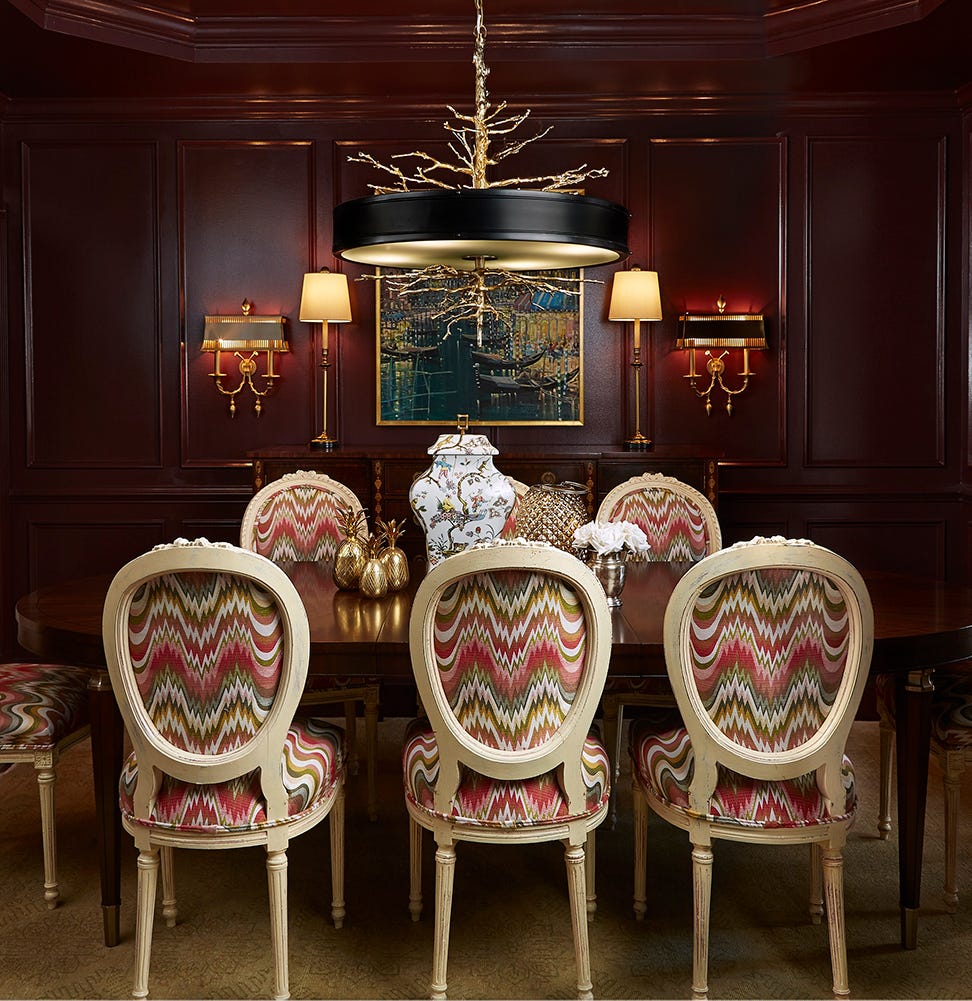
Designer Corey Damen Jenkins, author of Design Remix: A New Spin on Traditional Rooms, is known for keeping traditional rooms fresh. Use symmetry and period furniture as structural decisions, then add a fresh treatment so formality does not become stiff.
17. Gustavian
Gustavian style offers historical classicism in a lighter, streamlined Swedish register. Under the reigns of its two King Gustavs, Sweden developed a 1770s-to-early-1800s Rococo variant defined by straightened silhouettes, symmetrical compositions, and pastel hues.
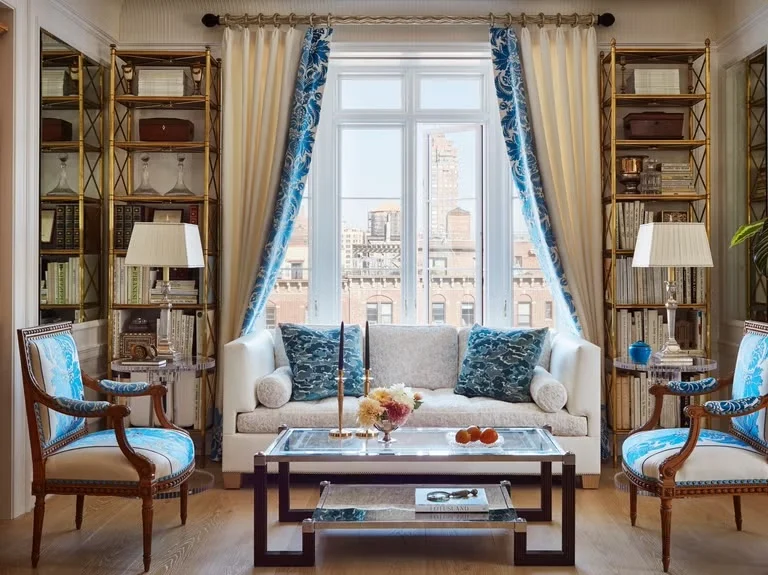
Homes by designer Marshall Watson supply contemporary examples. The Swedish Royal Palaces’ history of the Gustavian style traces its development. Start with straightened silhouettes and tapered legs, then use pastel color and millwork to give a classical room distinctly Swedish restraint.
Where to Start
Choose a style by testing the materials and visual intensity you can repeat across the room, rather than copying one finished space. A room’s best fit becomes clear through the materials you can repeat, the visual intensity you can sustain, and the degree of historical reference that feels natural. Many style inspirations in this guide come from House Beautiful.
Explore interior design styles with AI for free
Krea is a browser-based creative suite with image generation and editing tools that can help you explore a room direction before buying. Begin with Japandi’s low furniture, then assess how that single change works in the existing room before testing another direction.
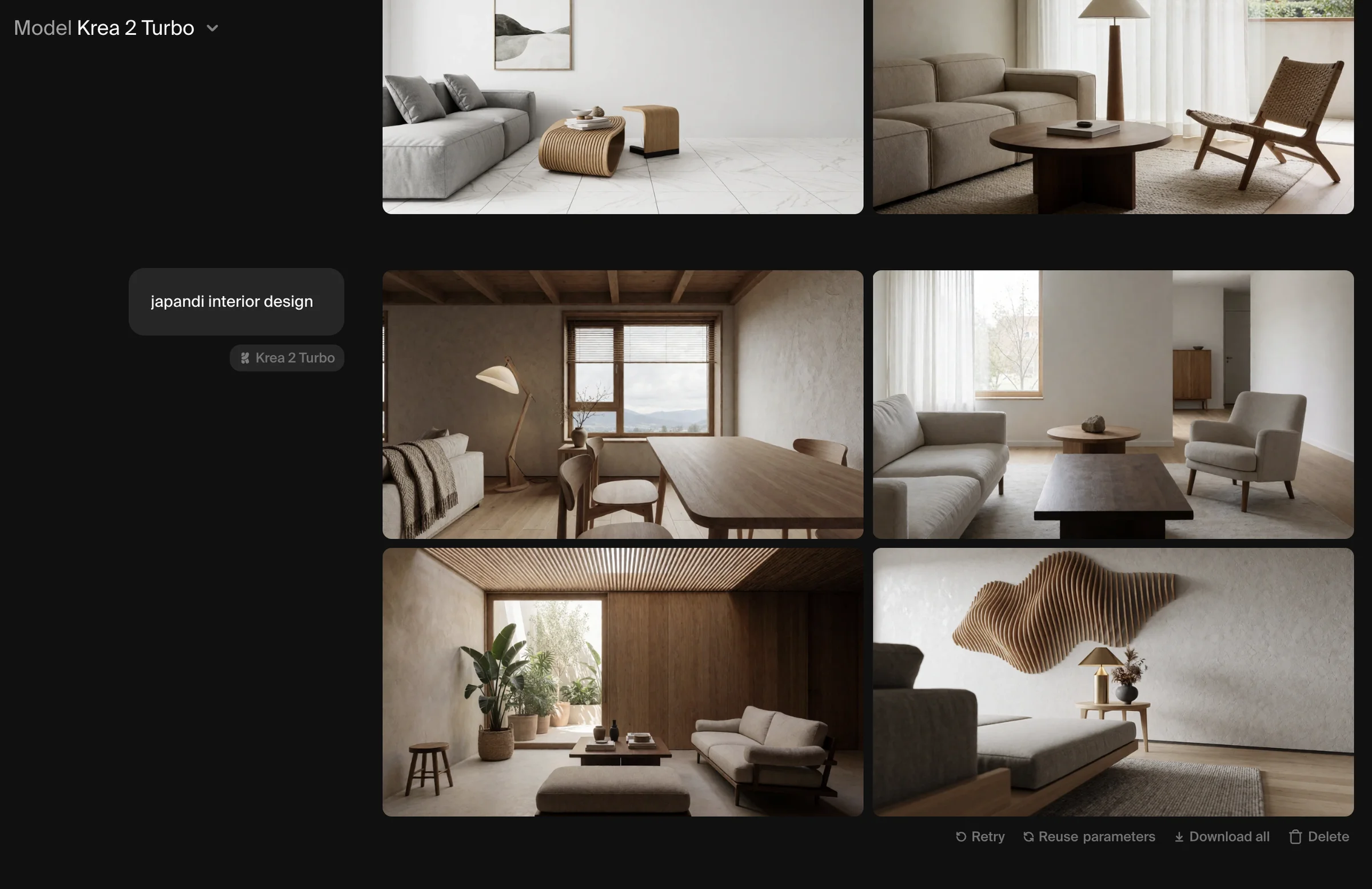
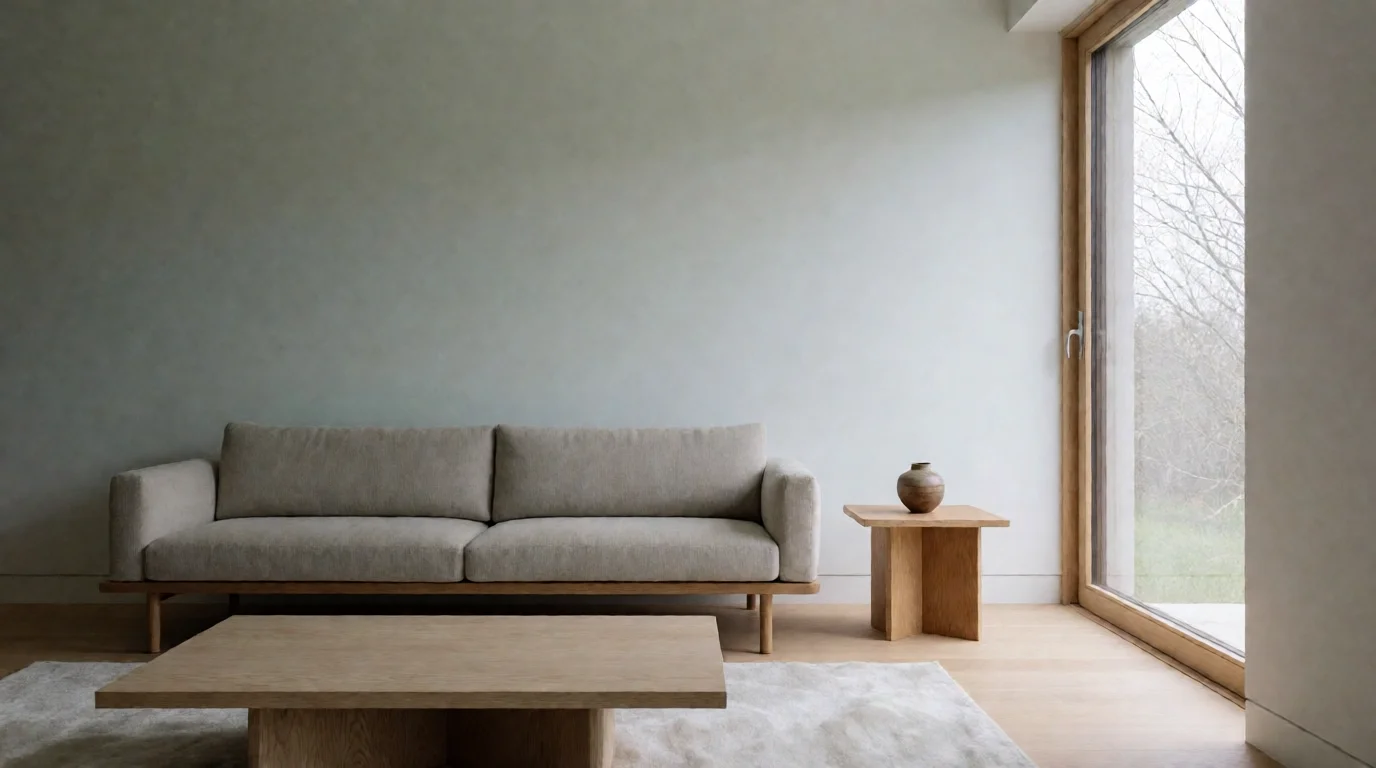
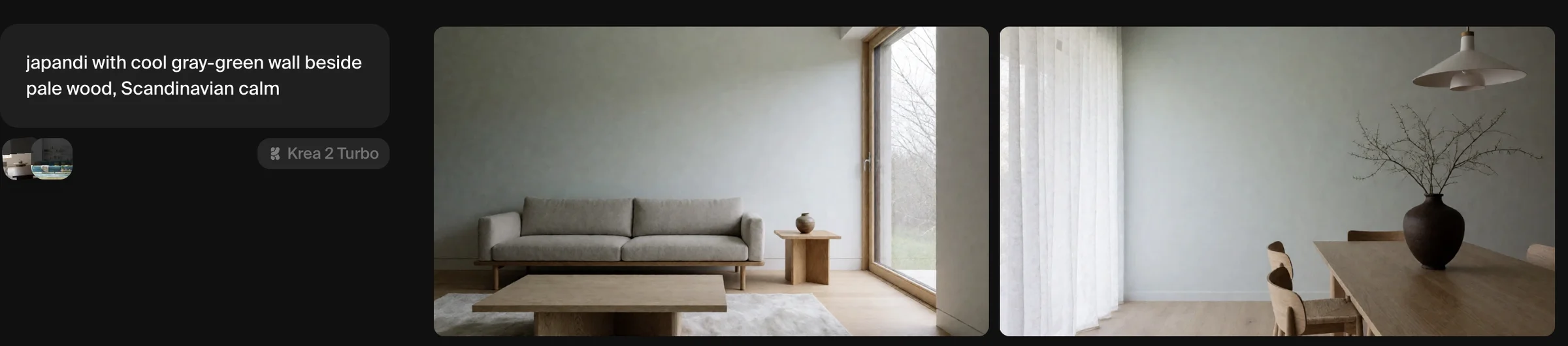
We can even combine styles by adding image references and adjusting the influence strength. In the image below, we set a Japandi inspiration to be 70% and a Scandinavian image to be 35%.

This gives us a Japandi based design with soothing palettes of muted green and blue, blending a unique Scandinavian calmness into the zen space.
FAQ
Frequently asked questions
How do I choose the right interior design style for my space in 2026?
Can I mix styles, or should I pick only one?
What’s the biggest mistake people make when renovating or furnishing by style?
Is there an easy way to preview how a style will look in my existing room?
Which styles in this list are best for creating a calm, comfort-led home?
Preview a style in your own room
Test a style direction against your existing room, blend references, and adjust influence strength before you buy anything.
Try Krea Image