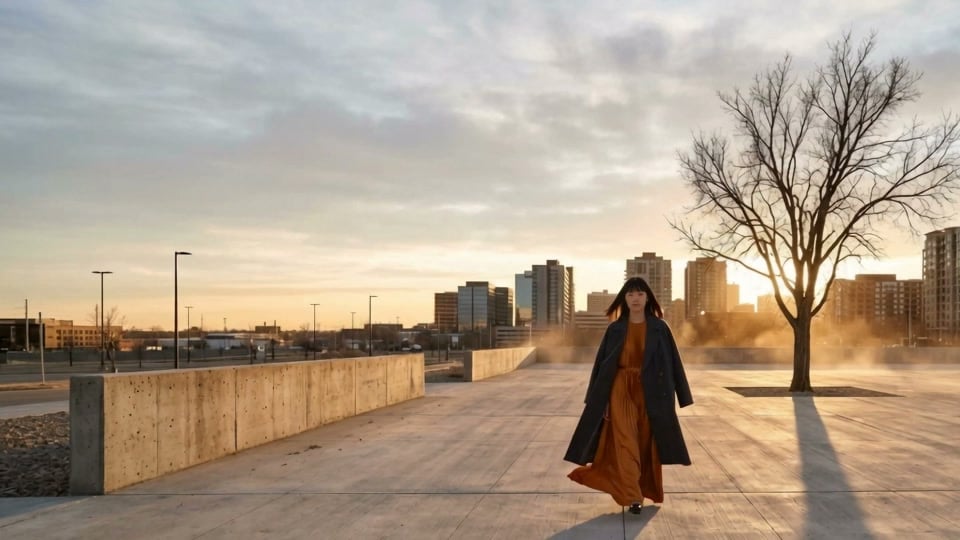
Fashion creators choosing between these models need a production decision because both can carry the same cast, wardrobe, location, sound, and framing controls through a shot. Both Seedance models on Krea support six framing shapes, first-and-last-frame control, and sound with the picture.
Seedance 2.5 is the default on Krea, while Seedance 2.0 is the finishing choice for native 1080p or 4K. On Pro, the published allowance is 109 Seedance 2.5 clips versus 83 full Seedance 2.0 clips, about 31% more, although fabric-led work can reverse the recommendation.
Every comparison in this article is a real generation tested on the Seedance 2.5 and 2.0 models. The tests check the things a fashion pick actually turns on, truth to the clothes, prompt alignment through a turn, multi-reference handling, single-take length, and native resolution, so every claim below has a clip behind it.
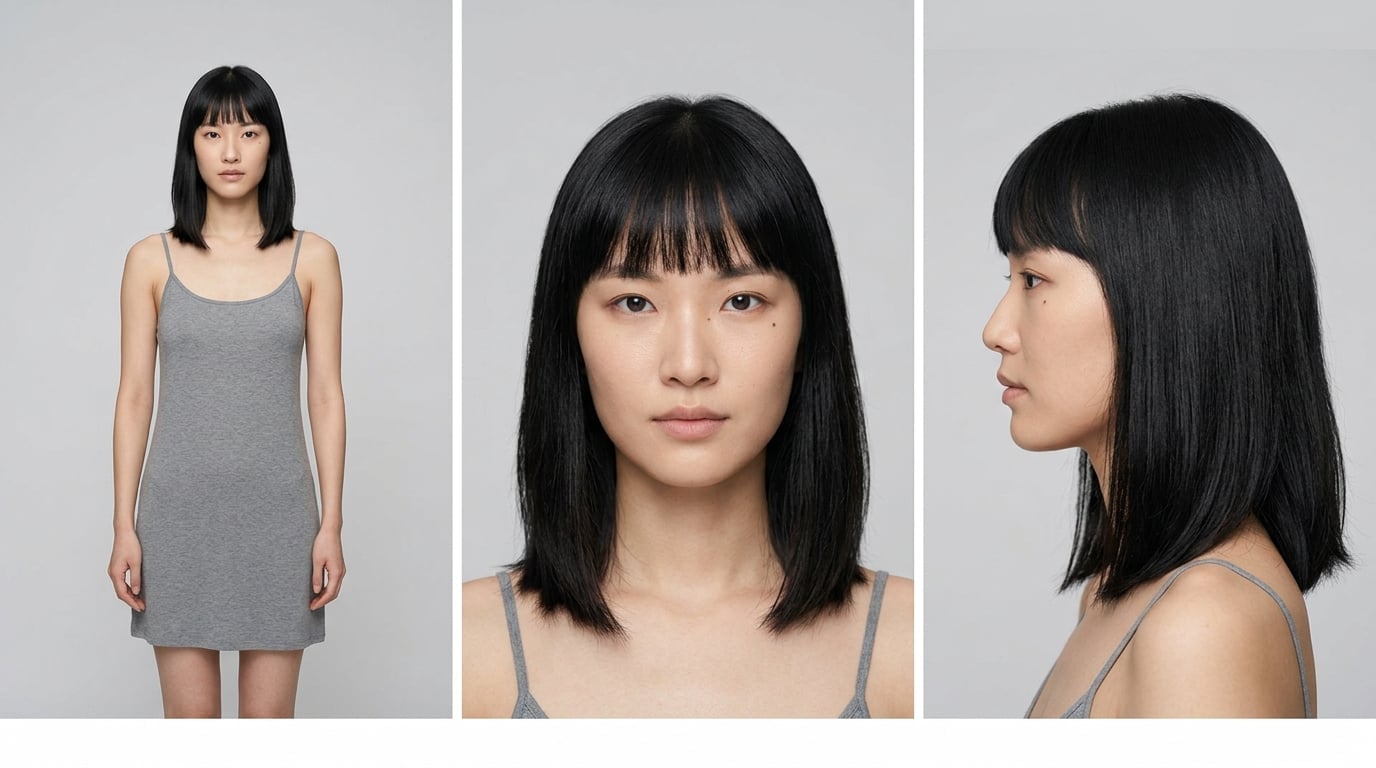
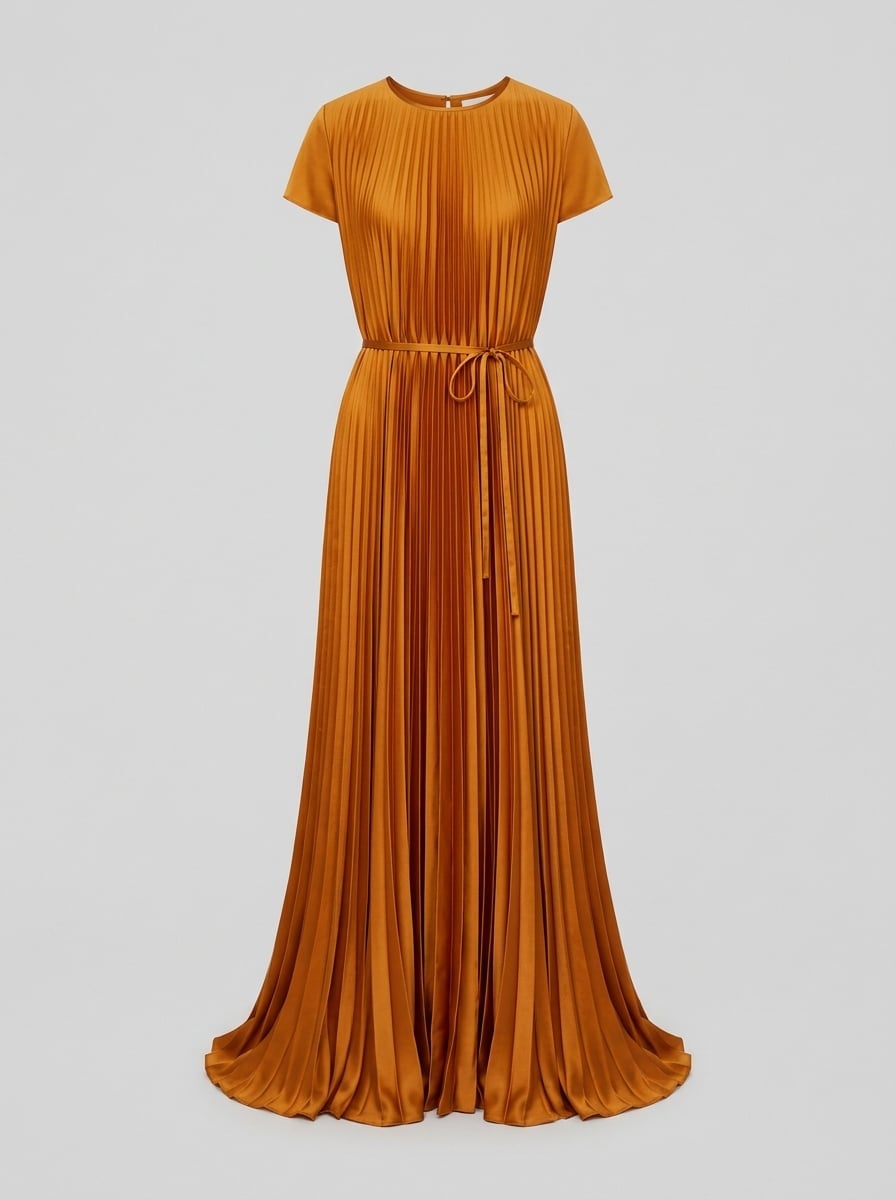
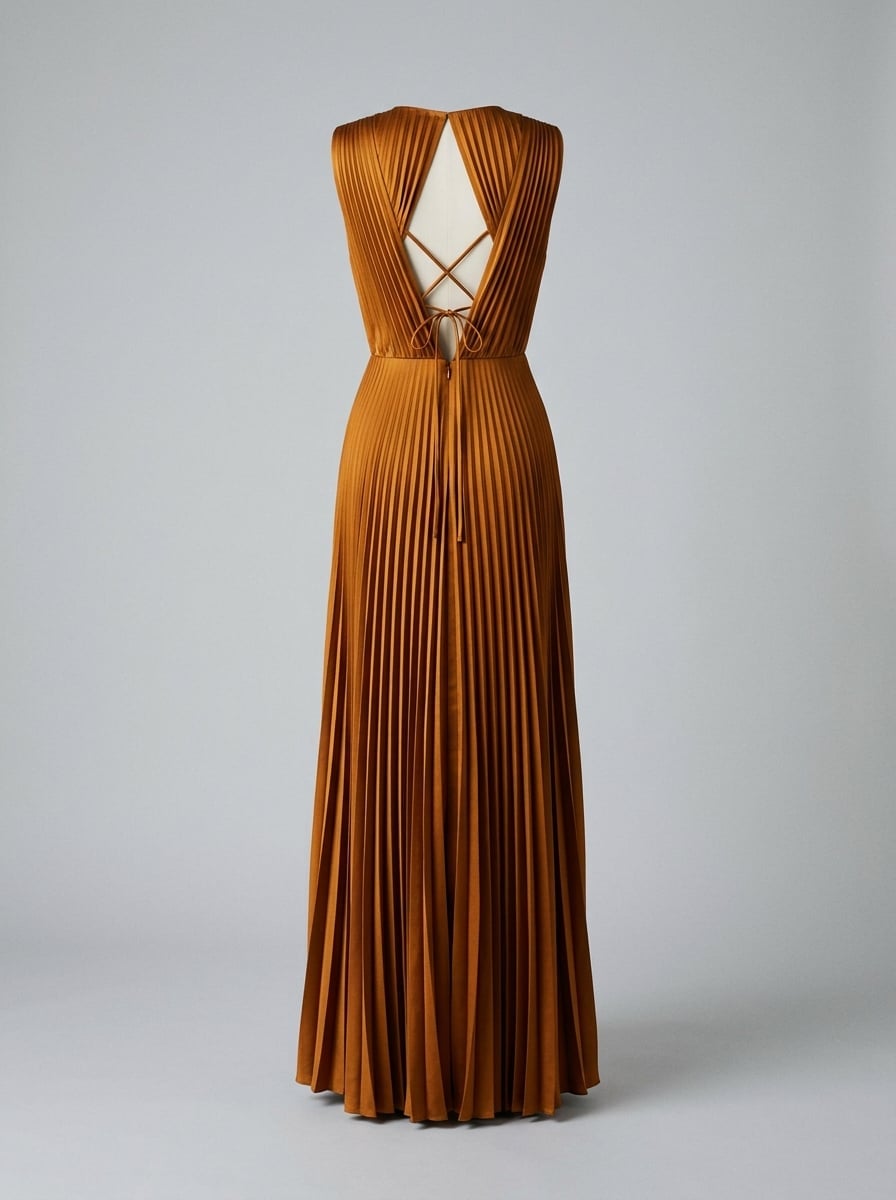
Key takeaways
- On Krea’s plans a Seedance 2.5 clip costs about a quarter less than a 2.0 clip, roughly $0.19 against $0.25 on the Pro tier.
- At ordinary settings the two models tie: with the same six references, both held the model, the pleated dress, the coat and the plaza.
- Seedance 2.5 raises the ceilings that stop a shoot: takes to 30 seconds and up to 30 reference images against 15 seconds and 9.
- Seedance 2.0 is the only one of the two that delivers a native 1080p or 4K master, and on fabric texture the difference is visible.
- Independent testers still rate 2.0 higher on lip sync, destruction physics and camera dynamism, so the older model keeps real jobs.
Run this brief on Krea
Both Seedance models sit in one composer, so a matched test takes minutes.
Try Seedance 2.5Seedance 2.5 vs. Seedance 2.0 at a glance
| Decision dimension | Seedance 2.5 | Seedance 2.0 |
|---|---|---|
| Krea Pro allowance | 109 clips | 83 clips |
| Longest single take | 30 seconds | 15 seconds |
| Reference images | Up to 30 | Up to 9 |
| Total references | Up to 50 | Up to 15 |
| Native output ceiling | 720p | 4K, plus upscaling |
| Matched eight-second walk | Holds the brief | Holds the brief |
| Native 1080p fabric master | Not available | Available |
What a clip actually costs
Krea’s published allowances make Seedance 2.5 the cheaper full-model clip on Basic, Pro, and Max. The pricing page lists Basic at $5.25 per month for 20 Seedance 2.0 clips or 27 Seedance 2.5 clips, Pro at $21 for 83 or 109, and Max at $63 for 166 or 219.
| Plan | Price | Seedance 2.0 | Seedance 2.5 | Per clip on 2.0 | Per clip on 2.5 |
|---|---|---|---|---|---|
| Basic | $5.25/mo | 20 clips | 27 clips | $0.26 | $0.19 |
| Pro | $21/mo | 83 clips | 109 clips | $0.25 | $0.19 |
| Max | $63/mo | 166 clips | 219 clips | $0.38 | $0.29 |
Worked out from Krea’s annual plan pricing at the time of writing. Check the pricing page for current figures.
For short fashion passes, 2.5 gives you more full-model attempts at every tier without moving to a faster or smaller 2.0 variant.
Pro is the value tier for either full model. It keeps Basic’s per-clip rate for full 2.0 while providing roughly four times the monthly volume, and it retains the $0.19 rate for 2.5. Max raises a full 2.0 clip to $0.38 and a 2.5 clip to $0.29, about half again the corresponding Pro rate, so buy it for more monthly shots rather than a lower unit cost.
The allowance comparison is specific to Krea’s plans. For the largest rough-draft volume on a Krea plan, Seedance 2.0 Mini provides 41 clips on Basic, 164 on Pro, and 328 on Max.
Seedance 2.5 gives the brief more room before compromises begin
Krea’s published limits give 2.5 more space for visual direction in a single fashion generation. It reaches 30 seconds per take, 30 reference images, 10 reference clips, 10 reference audio files, and 50 references in total; 2.0 stops at 15 seconds, nine images, three clips, three audio files, and 15 references overall. That gap lets you preserve more of the cast, garment, location, fabric, and lighting direction instead of deciding which source material to leave out.
Krea also reports roughly 20% better prompt adherence for 2.5 than 2.0, region-level editing that changes part of a frame without rebuilding the clip, and an extended beta mode reaching 180 seconds. Those are Krea-reported capabilities, while the dependable everyday advantage here is the published headroom that determines whether a brief fits intact.
At matched settings, the two models are equally faithful to the fashion brief
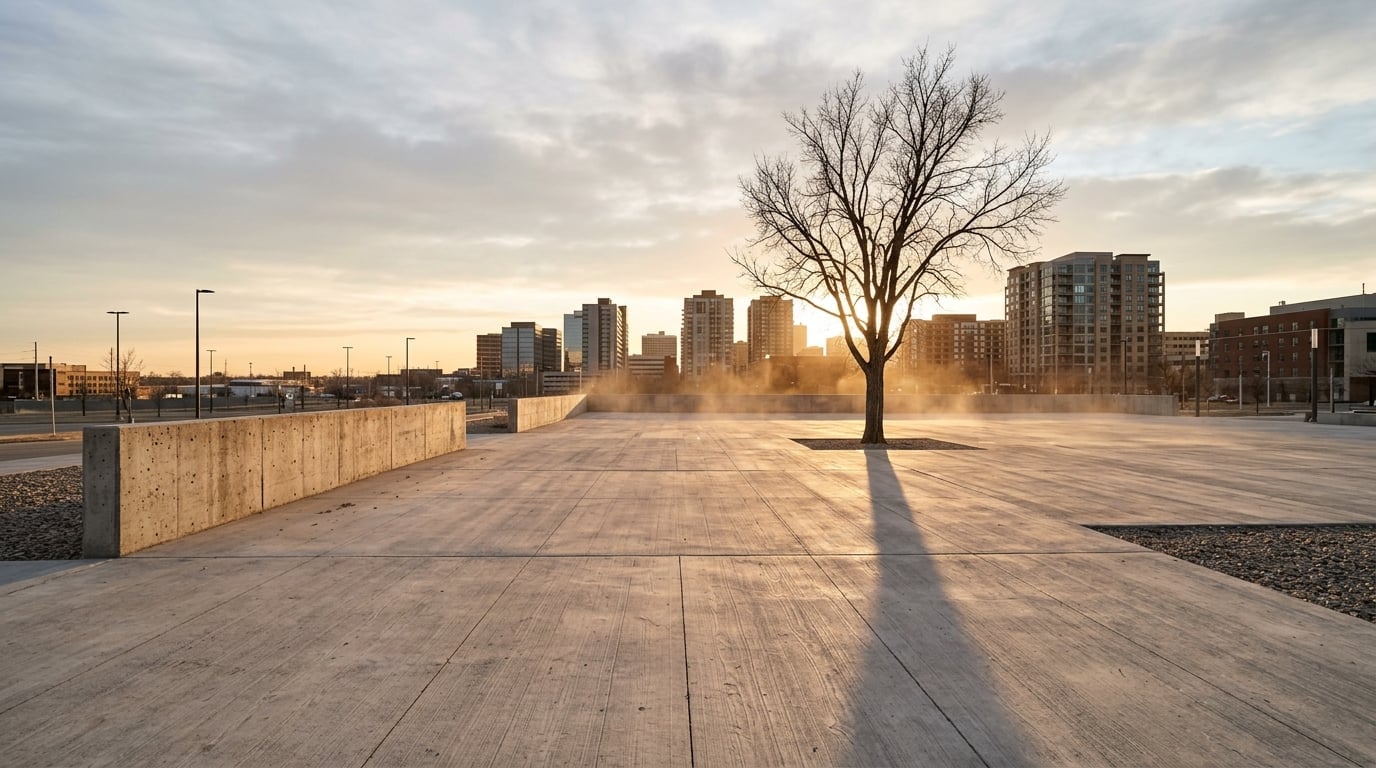
In the eight-second walk with six references, Seedance 2.5 and Seedance 2.0 produced a client-level tie. Both held the same woman, amber pleated dress, open charcoal coat, pale concrete plaza, and low golden-hour sun. With an ordinary reference load and a short take, this pair gives no visible reason to choose either model for prettier fashion video.
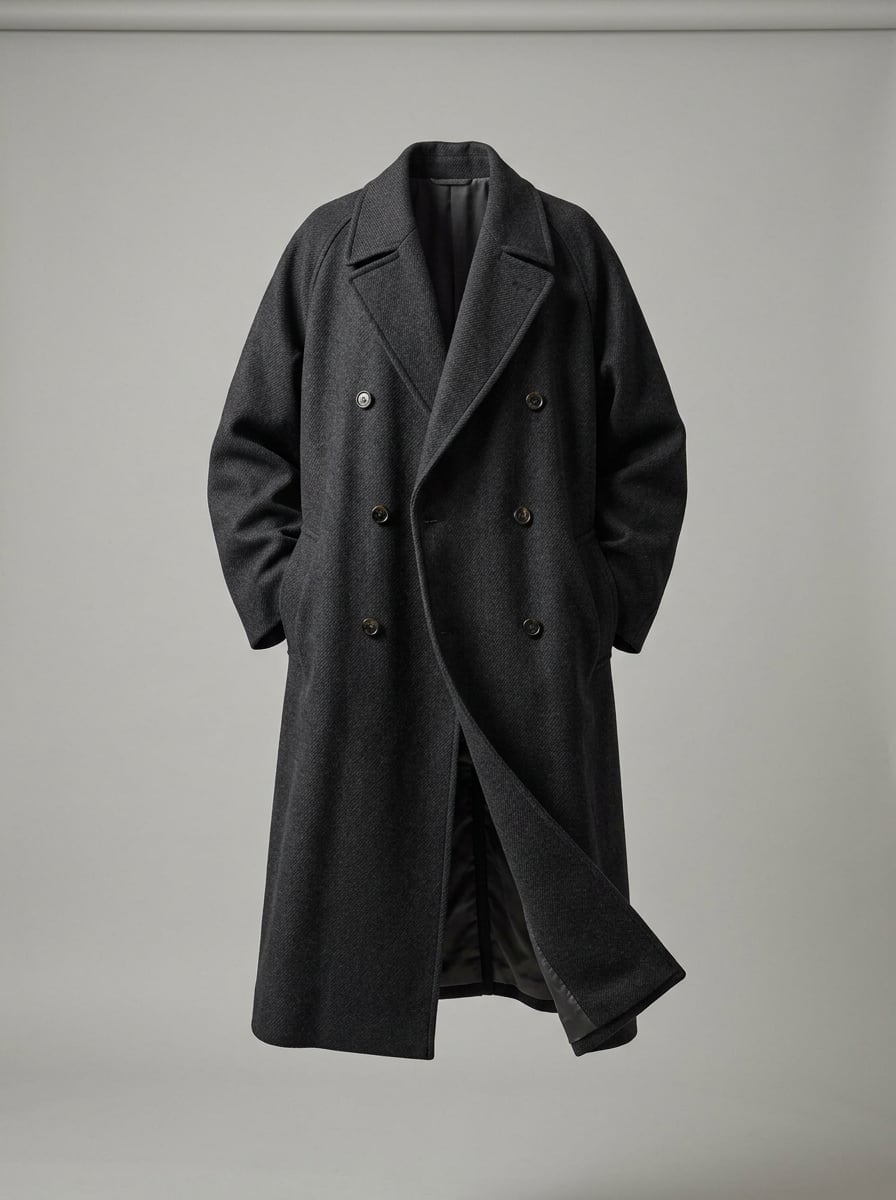
The matched turn exposed a gap in the reference set rather than a gap between the models. In both takes, the moment she faces away, the back of the coat is invented: the closed charcoal wool gives way to the amber lace-up back of the dress, as if the dress detail were printed through the coat. The cause is in the references. The coat was supplied from the front only, so the only garment back either model had ever seen was the dress’s open back, and both models reached for it.
For fashion work the lesson is direct: reference every garment from every angle the camera will see, because whatever back view exists in the reference set is the back view the model will reuse. To close the gap, a back view of the coat, closed wool with a center seam and a hem vent, was generated from the front reference and added to the set, and the same turn ran again on both models.
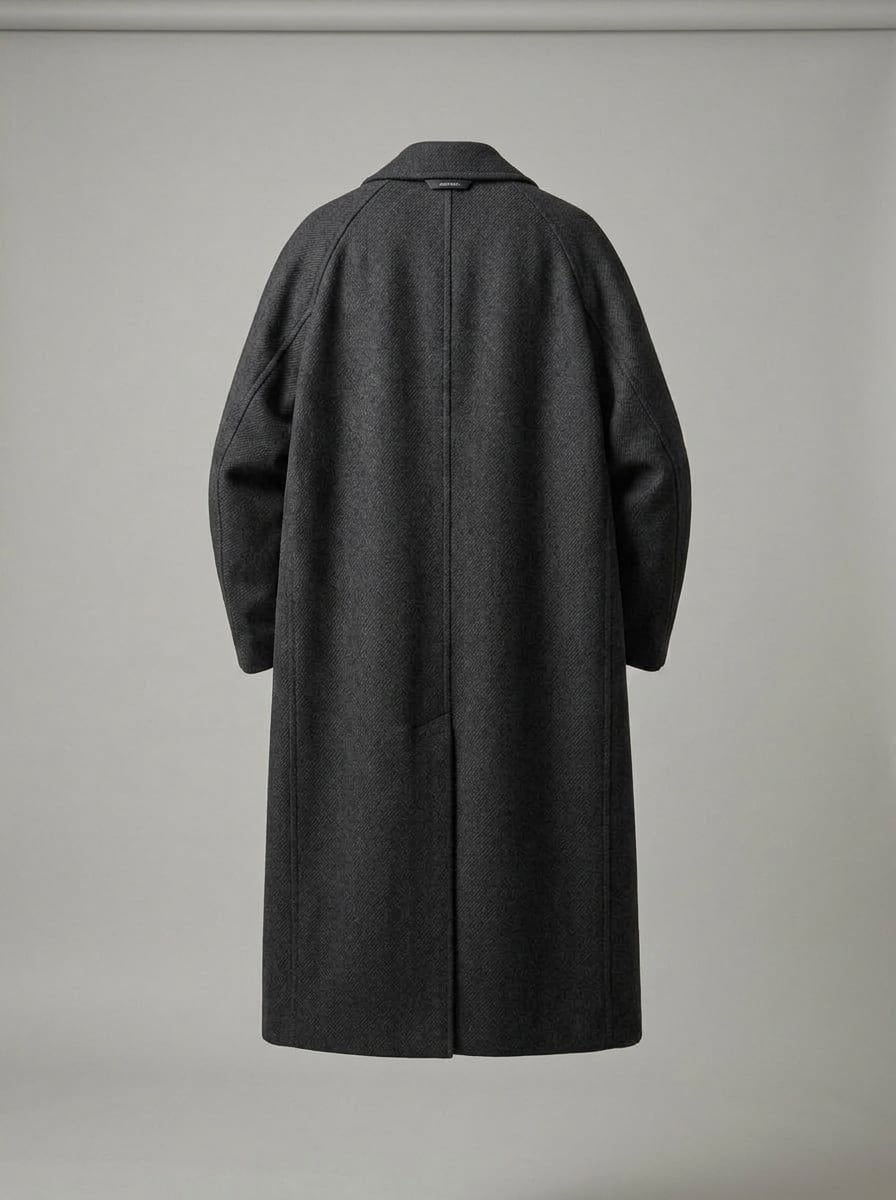
With the coat covered from behind, both models keep its back closed and continuous through the reveal. Seedance 2.0 even carries the center seam and hem vent from the new reference into motion.
Seedance 2.0 wins when the finished master needs native 1080p or 4K
The resolution comparison fixed composition so texture, rather than framing, decided the result. Both clips began from the same pinned opening frame and used the same push-in on the dress pleats, preventing a more favorable opening composition from masquerading as more detailed rendering.
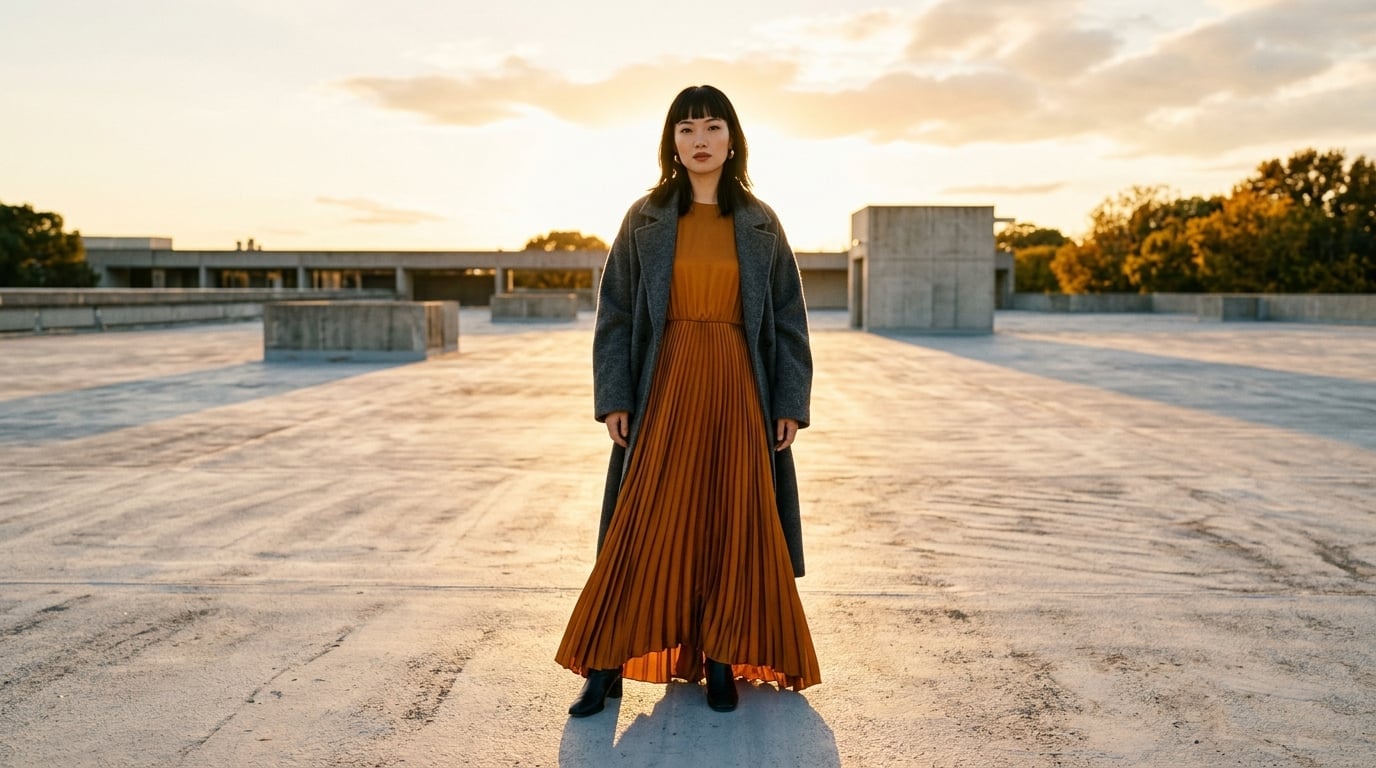
Seedance 2.0’s native 1080p output preserves material detail that Seedance 2.5’s 720p output softens. The 1080p take keeps clean separation at each pleat edge and retains readable wool nap; the 720p take blurs pleat edges together and flattens the coat toward one grey tone. If fabric is the subject, use 2.0 for the native master because its extra detail is visible in the garment itself.
Seedance 2.5 fits a fourth shot into one continuous fashion take
Seedance 2.5’s longer take gave the matched sequence one more beat without losing continuity. Its 25-second generation carried four shots while holding the woman, dress, coat, and plaza across every change; the 15-second 2.0 generation also held those elements and cut cleanly, but carried three shots because it stops at 15 seconds. The difference is sequence capacity, so choose 2.5 when the scene needs a continuous fourth beat before editing.
Seedance 2.5 can also run a reference-heavy fashion brief that 2.0 cannot accommodate intact. The reference-load walk used 14 references: the model sheet, second portrait, dress front and back, coat front and back, plaza views, fabric close-ups, and a lighting reference. Since 2.0 holds up to nine reference images, five visual references would have to be removed before the same brief could run, leaving less art direction in play.
Neither model had a meaningful edge in render-time expectations or moderation interruptions for this workflow. Five-to-eight-second clips returned in roughly two to four minutes, the 15-second take arrived in under three minutes, and the 25-second take took about five minutes. Four ordinary fashion generations were stopped by upstream moderation across both models and completed on a retry; one turn description ran only after its wording changed, so schedule both in minutes and revise a repeatedly blocked description before switching models.
Independent tests give Seedance 2.0 specific strengths outside this fashion set
Independent comparisons keep Seedance 2.0 relevant for talking performances, destruction, and aggressive camera behavior. Curious Refuge found 2.0 better than 2.5 in talking-head lip-sync tests and rated its asteroid-and-truck destruction sequence “amazing,” while calling 2.5’s “okay, not the most dynamic.” JSFILMZ also observed that 2.5 cut far less than 2.0 and found 2.0 more dynamic. Those results give you reasons to keep the older model available even if 2.5 handles everyday short, reference-led fashion clips.
Third-party results also identify a 2.5 strength and a boundary around long-form work. Curious Refuge described its skin rendering as more natural where 2.0 could look plasticky; PJ Accetturo ran a six-shot sequence as one 30-second 2.5 generation, and techhalla reported six distinct beats from one generation.
Choose Seedance 2.5 if / Choose Seedance 2.0 if
The best pick follows the delivery requirement and the size of the brief. Choose Seedance 2.5 by default on Krea for a short fashion clip, a 15-to-30-second continuous take, or a brief that needs more than nine image references. Choose Seedance 2.0 when delivery needs a native 1080p or 4K master, or for talking heads and hard physical destruction where independent testers still prefer it.
Choose Seedance 2.5 if
- You want the larger monthly clip allowance on the same Krea plan.
- You need one continuous take longer than 15 seconds and up to 30 seconds.
- Your fashion brief needs more than nine reference images or more than 15 references in total.
- You are iterating short clips with a handful of references, where the matched walk produced a tie.
Choose Seedance 2.0 if
- You are delivering a native 1080p or 4K master and fabric texture must survive the final output.
- You need the 1080p pleat and wool detail shown by the pinned-frame test.
- You are making a talking head or hard destruction sequence and want the model independent testers rated higher for those jobs.
- You need the most rough drafts per Krea plan and can use Seedance 2.0 Mini.
Test your own fashion brief
Attach your model sheet and garment references, then run the same shot on both models.
Open Seedance 2.5