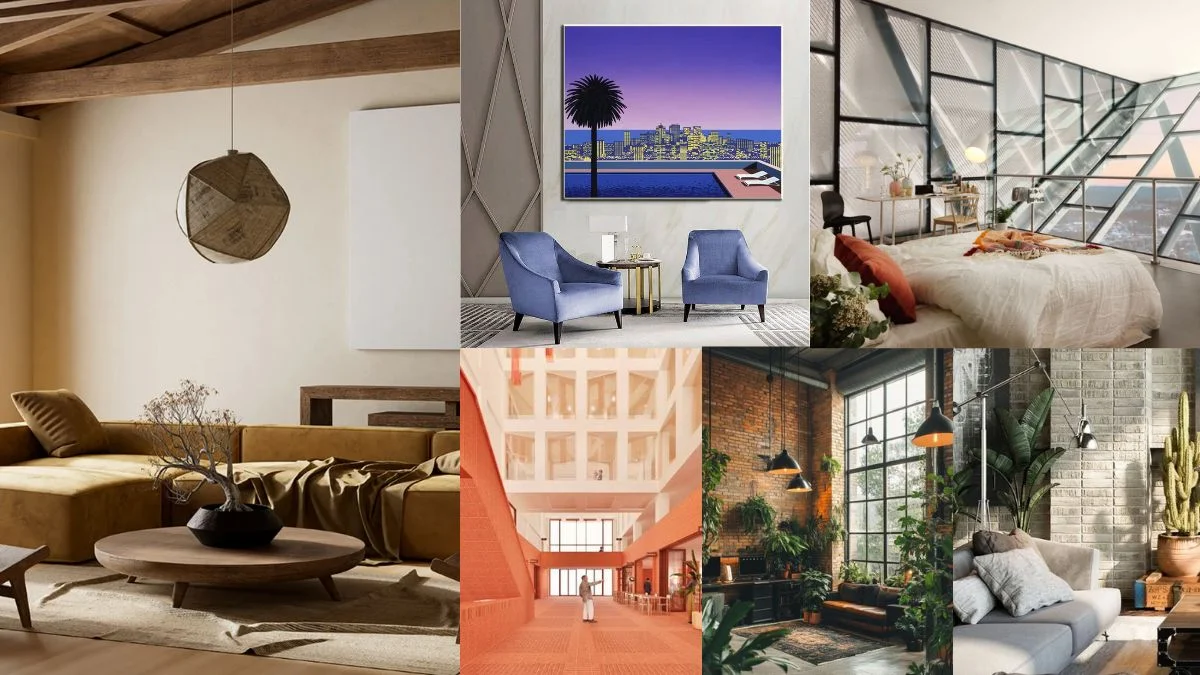
Choosing a decoration style by its label alone can leave you with a room that repeats a familiar formula rather than reflecting daily life. In the 2026 First Dibs designer survey, 39% expected maximalism to remain popular and 38% selected eclecticism, pointing to demand for rooms with more layers and personal reference points.
Core to interior decoration is the idea that the room needs to communicate the vibe you want. A concrete preview lets renters, homeowners, and designers assess how a room’s daylight and layout shape its furnishings, materials, and open space before committing to purchases or arrangements.
We share top prompts and styles that give readers a common visual basis for comparing room directions before personalizing a space.
How We Chose These Styles
A useful room-style prompt aligns three controls: the style’s historical or functional logic, its material language, and its spatial character. Contemporary reflects the changing character of present-day design, whereas Modern remains rooted in early- and mid-20th-century modernism, according to Houzz’s guide to 12 decorating styles. Those origins produce distinct visual characters: Contemporary feels timely and fluid, while Modern reads as structured and sculptural.
Try a room style now
Generate one of these eight rooms in Krea Image and change a single variable per pass.
Generate a roomAt a Glance: The 8 Room-Style Prompt Jobs
| # | Style prompt | Best for | Primary control |
|---|---|---|---|
| 1 | Contemporary | A current, uncluttered living room | Negative space and silhouette |
| 2 | Modern | A sculptural architectural room | Form and structural materials |
| 3 | Midcentury Modern | A warm design-classic update | Iconic forms and graphic pattern |
| 4 | Modern Farmhouse | A practical, softened family room | Honest materials without formulaic features |
| 5 | Industrial | A softened loft conversion | Raw structure balanced with warmth |
| 6 | Mediterranean | A sunlit, material-rich room | Tile, plaster, and earthy color |
| 7 | Scandinavian | A bright, calm everyday room | Light, natural texture, and coziness |
| 8 | Eclectic | A personal collected room | Cohesion across eras and objects |
Try it on Krea: A selected Krea Image composition can stay fixed while individual style variables change across iterations.
Clean-Lined Foundations
1. Contemporary - Best for an Of-the-Moment Living Room
Prompt:
Create a contemporary living room with strong clean-lined silhouettes, generous negative space, and minimal ornament. Use a low modular cream sofa, a sculptural black side chair, a large abstract artwork, and a single stone coffee table on a warm pale rug. Include floor-to-ceiling windows with diffuse daylight, soft off-white walls, a restrained palette of cream, charcoal, and muted terracotta, and a few deliberately placed objects rather than crowded shelving. Photorealistic interior photography, eye-level 28mm view, balanced composition, lived-in but uncluttered.
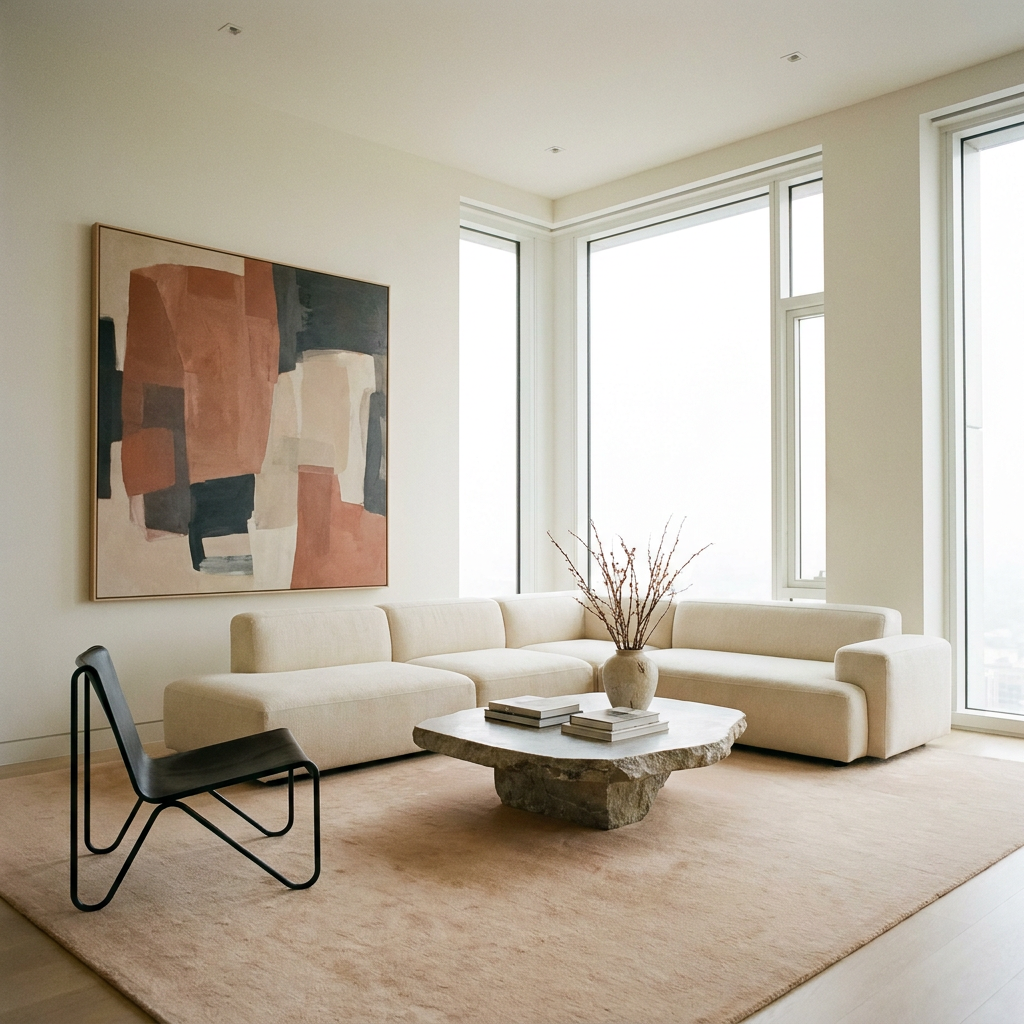
Variation tips: A single saturated accent color gives a contemporary room a vivid focal point. Replace stone with lacquer. Test a color-drenched wall.
Contemporary rooms rely on clear composition and adaptable present-day cues rather than one fixed period style. Contemporary ranges from restrained rooms to vivid interiors; Houzz dates the style’s development to the 1970s, after the midcentury period. Keep the open floor area and decisive silhouettes fixed while you change the art or accent color. That protects the room’s organizing logic as tastes change.
2. Modern - Best for a Sculptural Architectural Space
Prompt:
Create a Modern living room rooted in early twentieth-century modernism: strong sculptural furniture, crisp geometry, and form following function. Combine a black leather lounge chair, a low linear sofa, a chrome floor lamp, and a simple wood-and-stone coffee table. Use expansive glass, concrete, pale oak, and black steel as the primary materials, with an uncluttered floor plan and precise negative space. Daylight enters through large windows and creates clean shadows. Photorealistic architectural interior photograph, 24mm lens, calm neutral palette, exacting proportions.
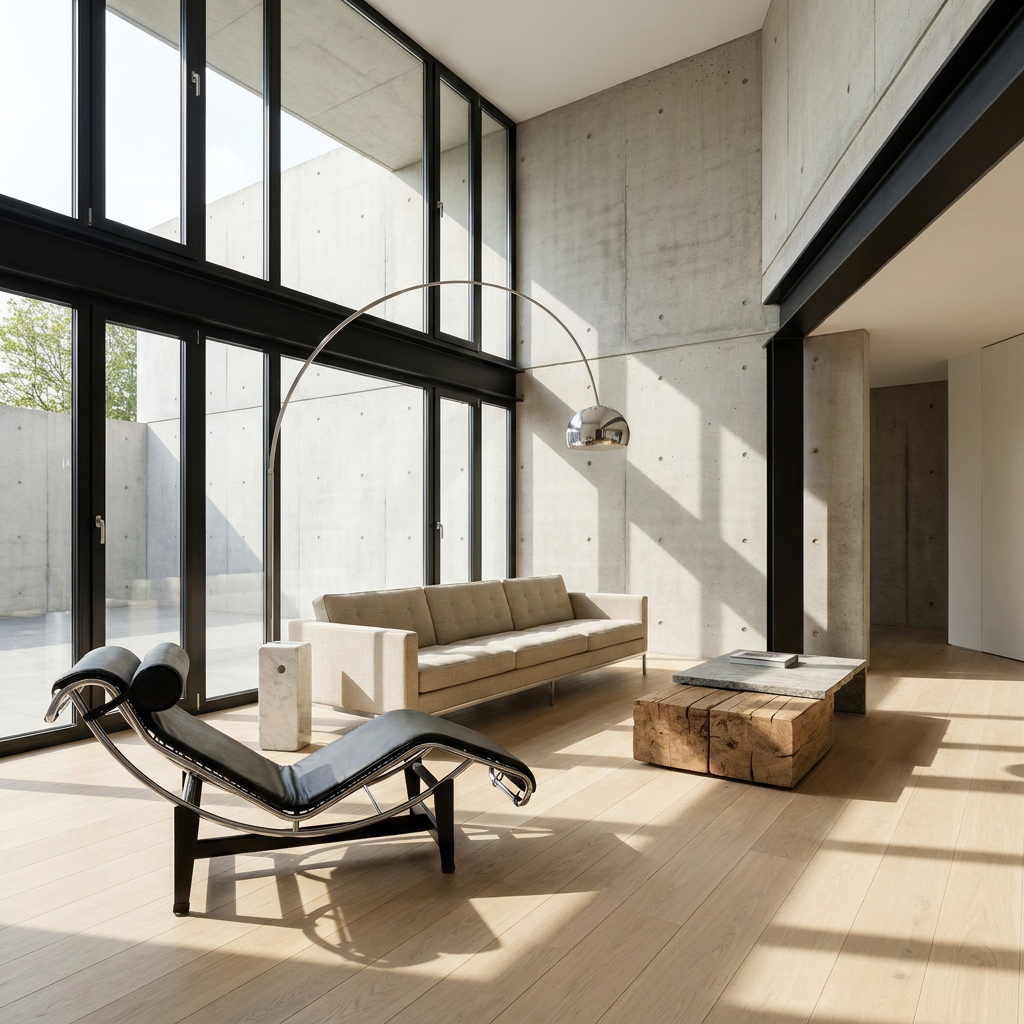
Variation tips: Anchor the Modern room with one primary-color artwork as its decisive focal point. Swap concrete for travertine. Widen the glazing.
Modern needs structural clarity because purposeful form carries the room instead of decorative accumulation. Louis Sullivan’s 1896 essay introduced the maxim “form ever follows function,” which later became central to Bauhaus and the International Style. Specify the glass, concrete-and-steel structure, and wood geometry so the generator gives the room’s structure visual weight. Ornament then becomes optional rather than a substitute for a weak plan.
3. Midcentury Modern - Best for a Design-Classic Update
Prompt:
Create a midcentury modern living room with warm walnut furniture, organic shapes, clean lines, and a restrained graphic pattern. Include an Eames molded fiberglass chair, a Nelson Bubble lamp, a low walnut credenza, a tailored sofa with tapered legs, and a round tulip-style dining table visible beyond the seating area. Add a geometric wool rug, one large abstract print, and leafy indoor plants. Use soft afternoon light, open circulation, natural wood, olive green, ochre, and cream. Photorealistic 1960s-informed interior updated for 2026, 28mm editorial interior photograph.
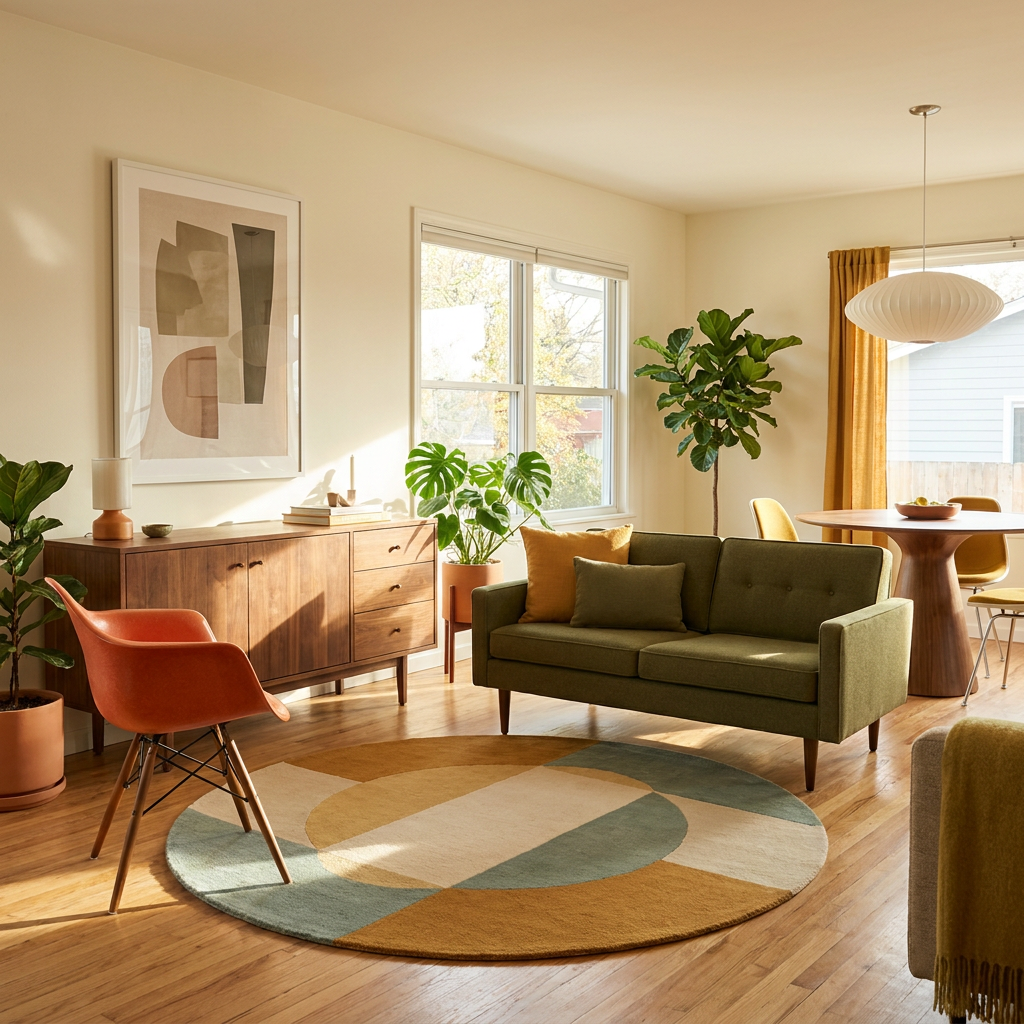
Variation tips: Chocolate brown brings a warmer, richer finish to the Midcentury palette. Use a Saarinen-style table. Reduce the graphic pattern.
Use a few recognizable forms as anchors, then let the upholstery and palette belong to the present. Houzz places this style between the mid-1940s and 1970s, shaped by postwar U.S. housing and European influences; the 2026 1stDibs survey found that 26% of U.S. designers and 30% of non-U.S. designers planned to use it. Warm wood, one graphic cue, and named furniture forms create enough recognition. A current textile or darker color keeps the room from becoming a museum vignette.
Material-Led Rooms
4. Modern Farmhouse - Best for a Softer, Functional Family Room
Prompt:
Create a warm modern farmhouse family room that favors authentic materials and practical comfort over a themed look. Use wide-plank oak flooring, softly imperfect limewashed walls, a deep linen sectional, a vintage wood coffee table, simple wall paneling, woven baskets, and aged brass lighting. Include muted wheat, sage, and warm cream tones, natural linen and wool textiles, and a few handmade ceramics. Avoid sliding barn doors and excessive shiplap. Photograph the room in gentle morning light, photorealistic interior editorial, relaxed and genuinely lived-in.
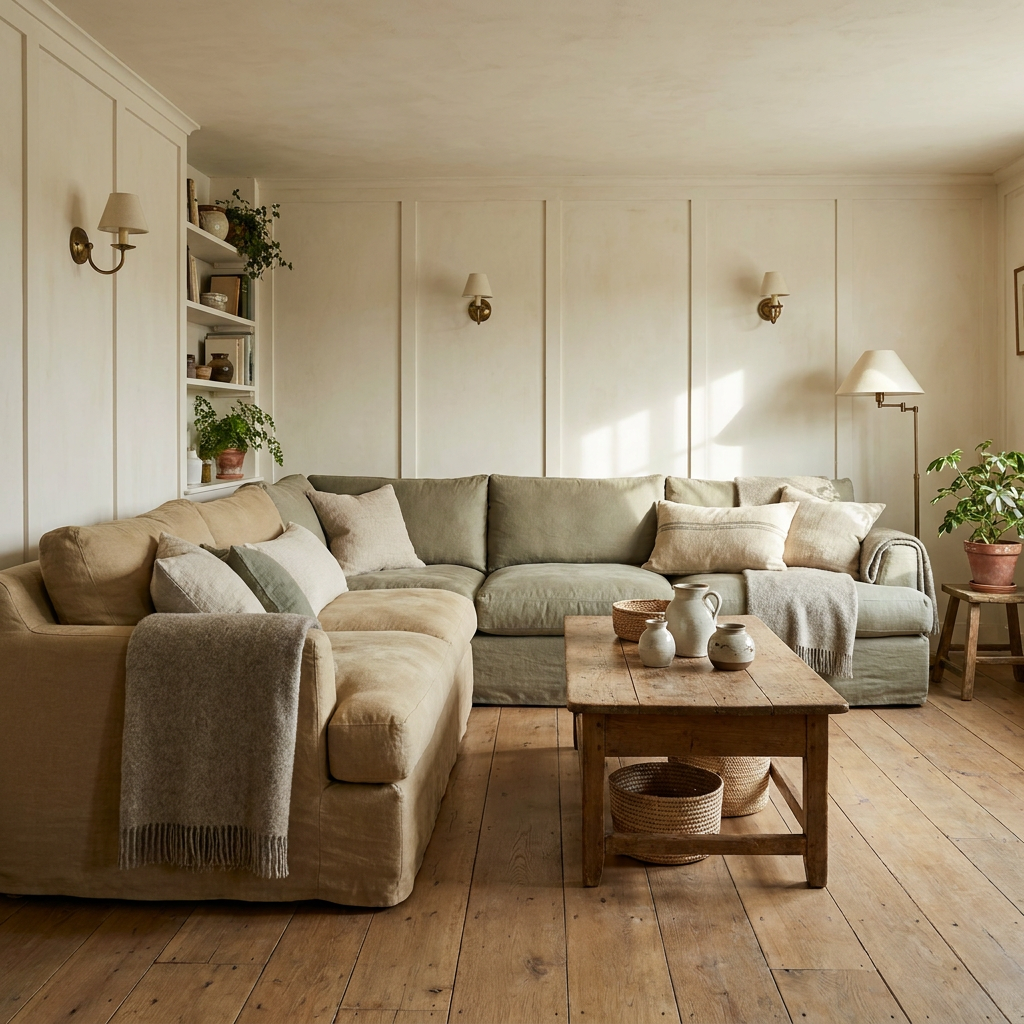
Variation tips: Organic Modern seating gives the Farmhouse room a softer, more sculptural character. Change sage to dusty blue. Use reclaimed beams sparingly.
This direction still has commercial demand, yet its strongest 2026 version edits out the copied formula. Houseplans.com reports that Modern Farmhouse represented 33% of its 2025 house-plan sales, while Zillow found barn-door mentions down 6% year over year in its 2026 listing analysis. Keep the deep seating, patina, and natural textiles, then exclude the feature most tied to an over-applied look.
A Stonewood-cited survey found that 92% of designers see pure Modern Farmhouse as transitioning; because the article omits the survey methodology, the finding carries limited evidentiary weight. Its sales presence still supports using the style as an evolving base. A limewashed wall and vintage table offer more flexibility than a room built around a barn door.
5. Industrial - Best for Softening a Loft-Like Room
Prompt:
Create an industrial loft living room in a converted warehouse with exposed brick, black steel-framed windows, visible ceiling beams, polished concrete floors, and a long reclaimed-wood dining table. Balance the raw architecture with a deep camel leather sofa, a textured wool rug, several large leafy plants, warm filament pendant lights, and a few vintage books and ceramics. Keep the palette charcoal, rust, cognac, and warm ivory. Use late-afternoon window light and realistic shadow, photorealistic interior photography, wide 24mm view, open but comfortable atmosphere.
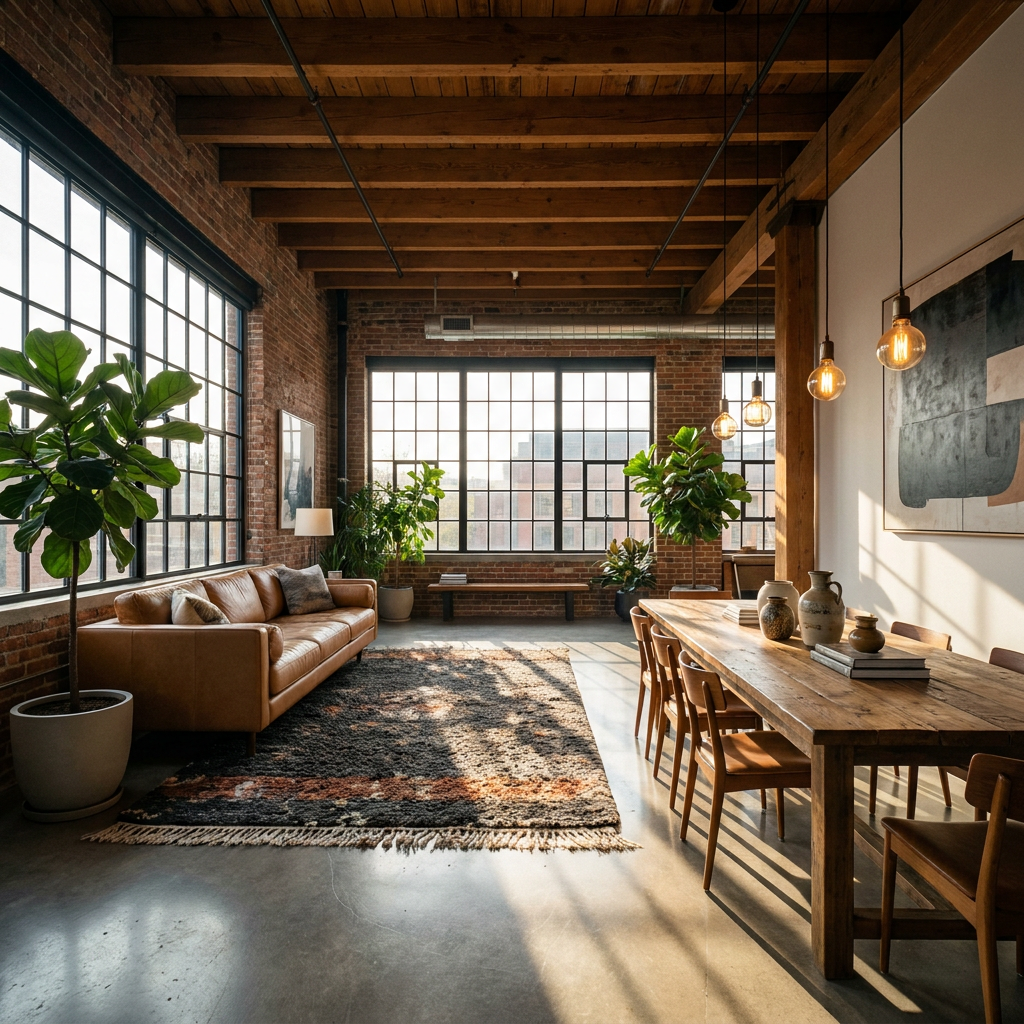
Variation tips: Moss velvet upholstery gives an Industrial room a softer, more inviting finish. Add a midcentury lamp. Soften concrete with a larger rug.
Textiles, leather seating, and warm lighting make exposed brick and steel feel comfortable at living-room scale. Plants, filament bulbs, and candles make Residential Industrial interiors feel livable, softening the concrete, brick, and steel of 1960s and 1970s SoHo factory and warehouse conversions. Pair every hard surface with tactile upholstery or warm light. The loft stays legible as adaptive reuse instead of reading as unfinished.
6. Mediterranean - Best for a Sunlit, Tile-Rich Room
Prompt:
Create a contemporary Mediterranean living room with chalky plaster walls, arched openings, warm terracotta floor tiles, a handcrafted zellige-tile fireplace surround, and substantial wood furniture with simple carved details. Layer a linen sofa, patterned woven cushions, painted ceramics, and a low wood table with a bowl of citrus. Use earthy clay, olive, saffron, and sun-faded blue against generous white space. Bright Mediterranean daylight enters through open French doors and casts soft patterned shadows. Photorealistic interior editorial, 28mm lens, relaxed and sun-warmed.
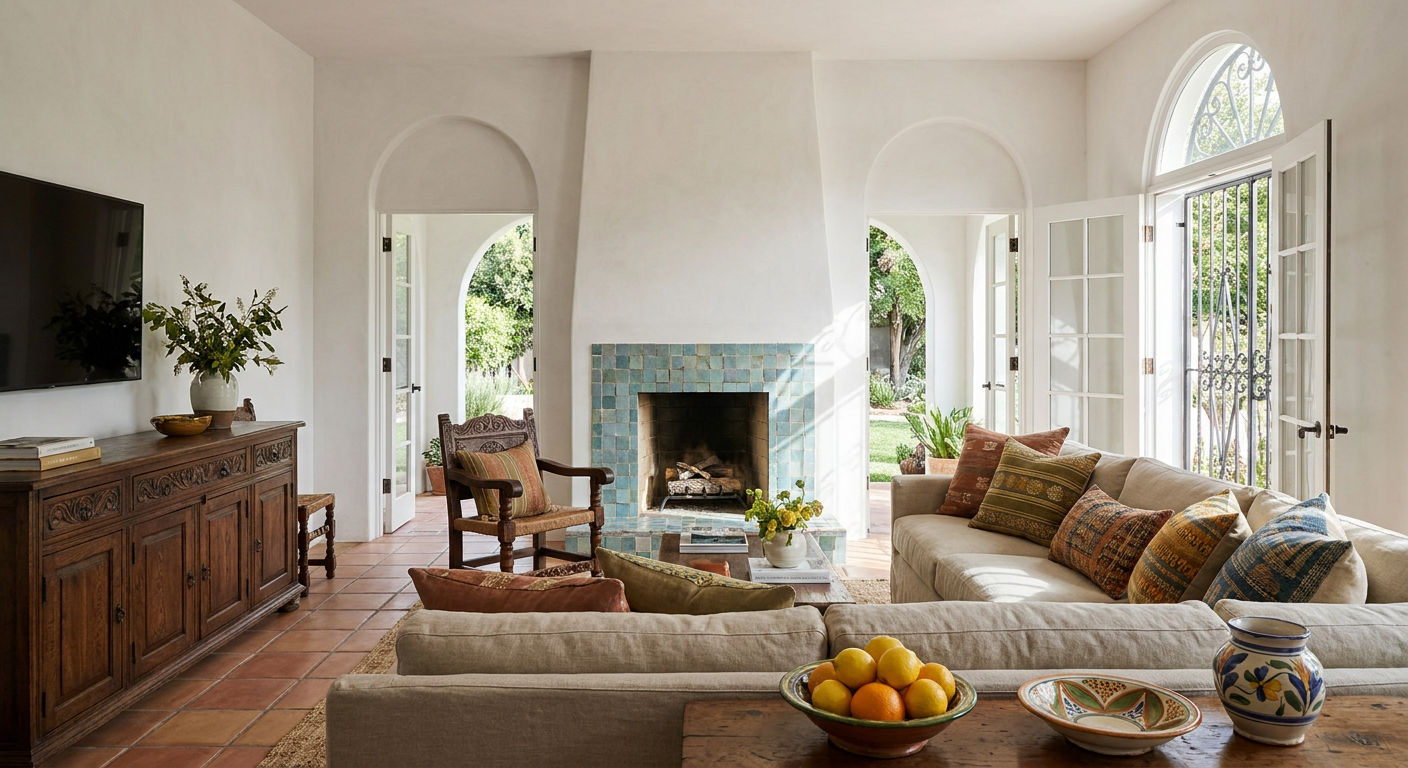
Variation tips: For a Greek-leaning variation, use cobalt accents to sharpen the pale palette. Add Moroccan tile. Use a lighter contemporary palette.
Place-specific surfaces give this room its depth, while white space keeps the interpretation contemporary. Mediterranean style comprises local traditions shaped by regional materials and craft practices around the Mediterranean. A defined palette and one regional direction create regional coherence across plaster, zellige, or painted ceramic. Mixing every reference at once weakens the sense of place.
Personal, Layered Directions
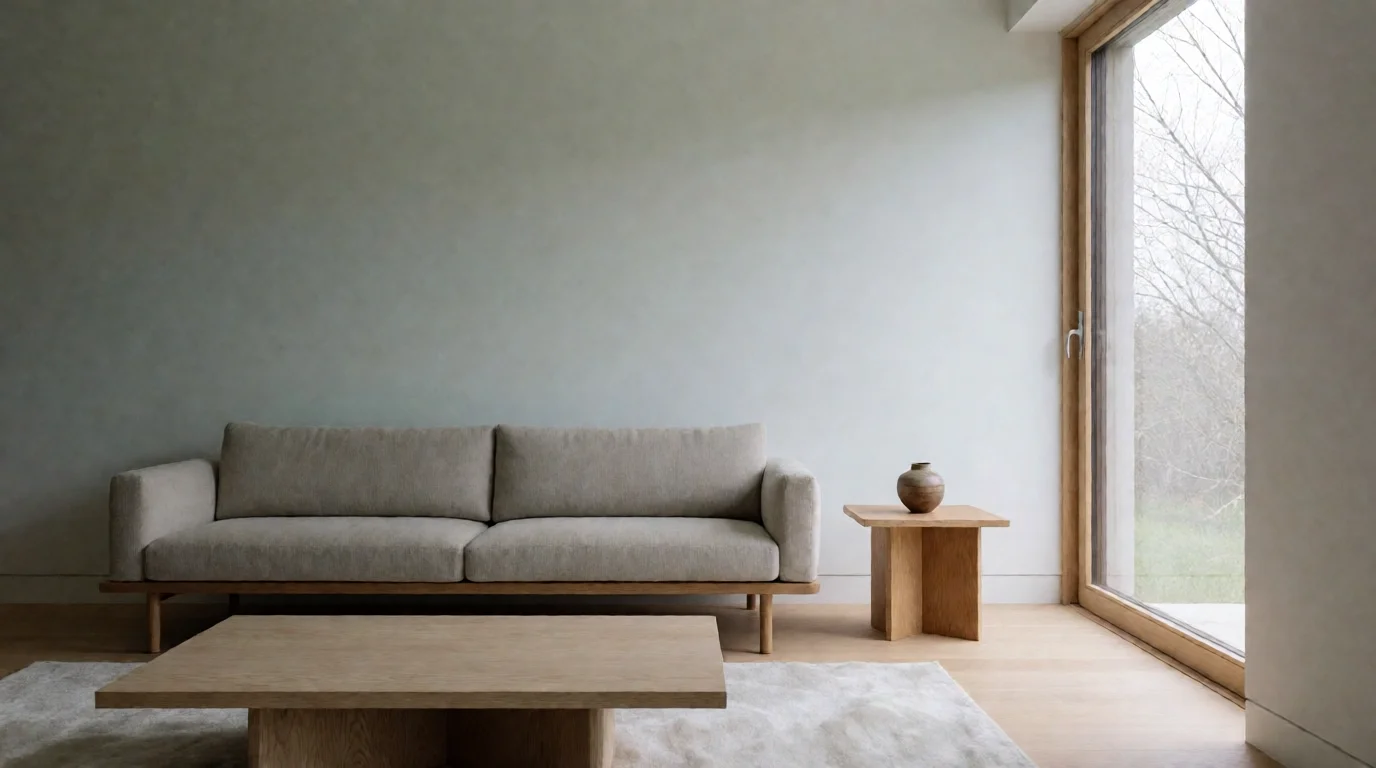
7. Scandinavian - Best for a Bright Everyday Room
Prompt:
Create a Scandinavian living room that feels bright, functional, and quietly cozy. Use pale oak floors, white walls, a streamlined light-gray sofa, a Hans Wegner-style wood chair, a simple paper pendant lamp, and open shelving with a small mix of books, ceramics, and plants. Add a tactile wool throw, a flatwoven rug with a subtle graphic pattern, and one dark walnut accent for contrast. Use soft northern daylight, restrained styling, natural materials, and comfortable clear circulation. Photorealistic interior photograph, eye-level 28mm framing, warm lived-in hygge rather than a sterile showroom.
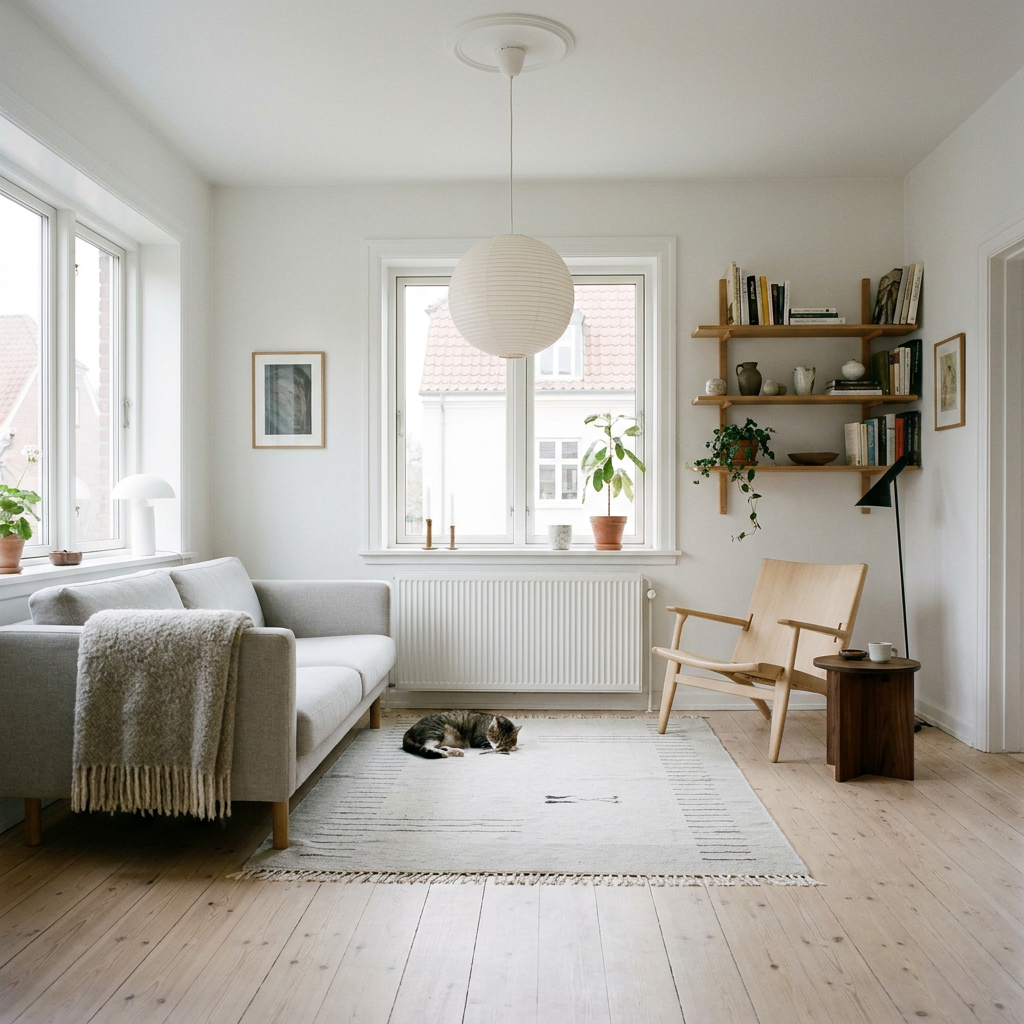
Variation tips: Test darker Japandi wood as the variation. Add a checked textile. Shift to a rainy-day light quality.
Daily life benefits from light and order, provided texture keeps the room from feeling empty. Scandinavian design emerged in Scandinavia from the early to the mid-20th century, shaped by a democratic commitment to everyday domestic use. Apartment Therapy’s 2025 survey of 154 North American designers put its staying power at 64%, up from 41% in the prior survey. Preserve the pale palette and circulation, then add a modest mix of old and new objects to bring comfort into focus.
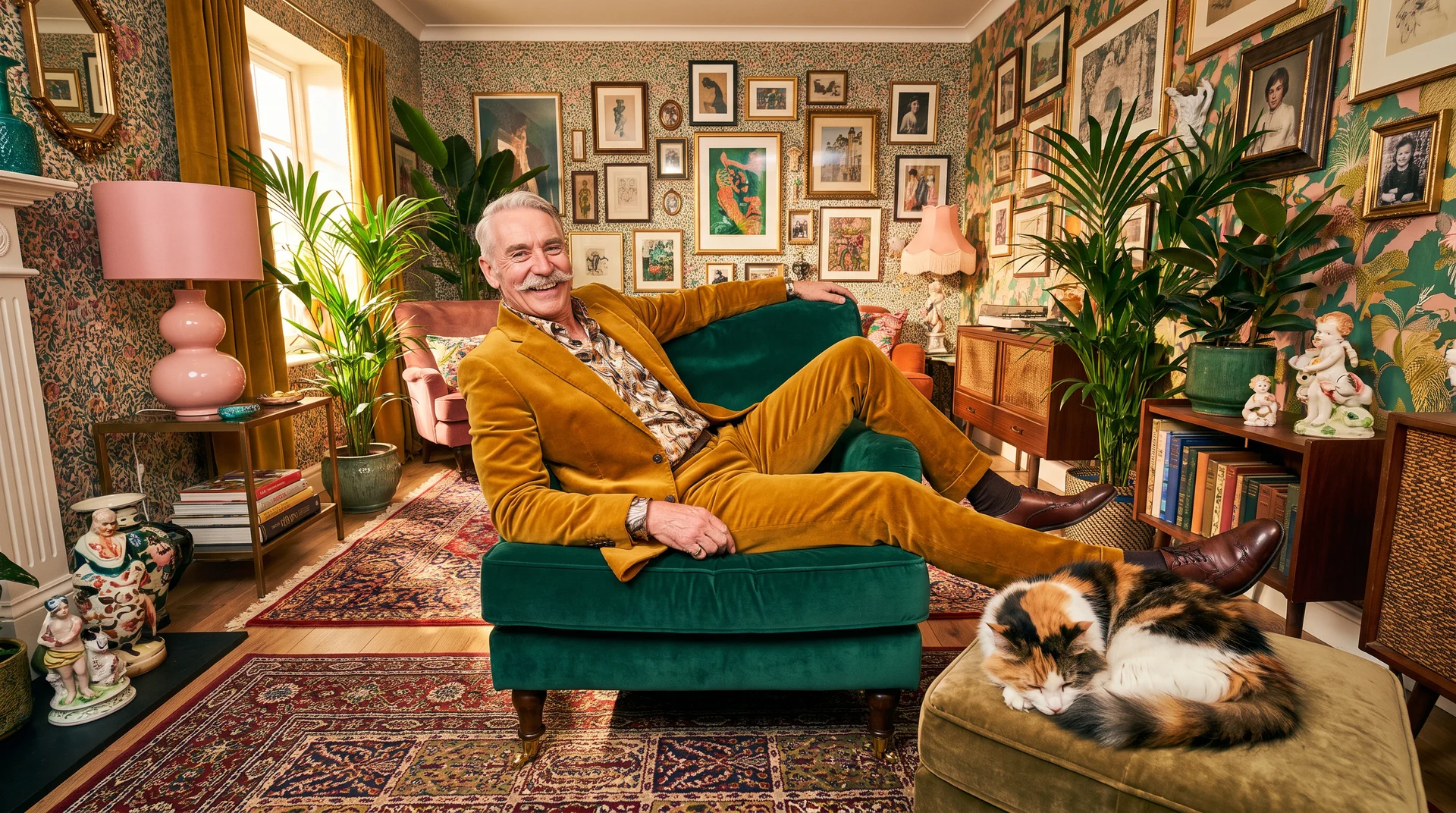
8. Eclectic - Best for a Collected, Personal Room
Prompt:
Create an eclectic living room that feels intentionally collected across eras. Build the room around a deep chocolate-brown velvet sofa, a vintage Persian-style rug, a contemporary sculptural floor lamp, an antique wood cabinet, a modern abstract painting, and a pair of mismatched but complementary side chairs. Layer books, framed travel photographs, handmade ceramics, and patterned cushions while maintaining a coherent palette of chocolate, oxblood, ochre, and cream. Use mixed wood tones, warm evening lamp light, and clear walking space around the furniture. Photorealistic interior editorial, 28mm view, personal and composed rather than cluttered.
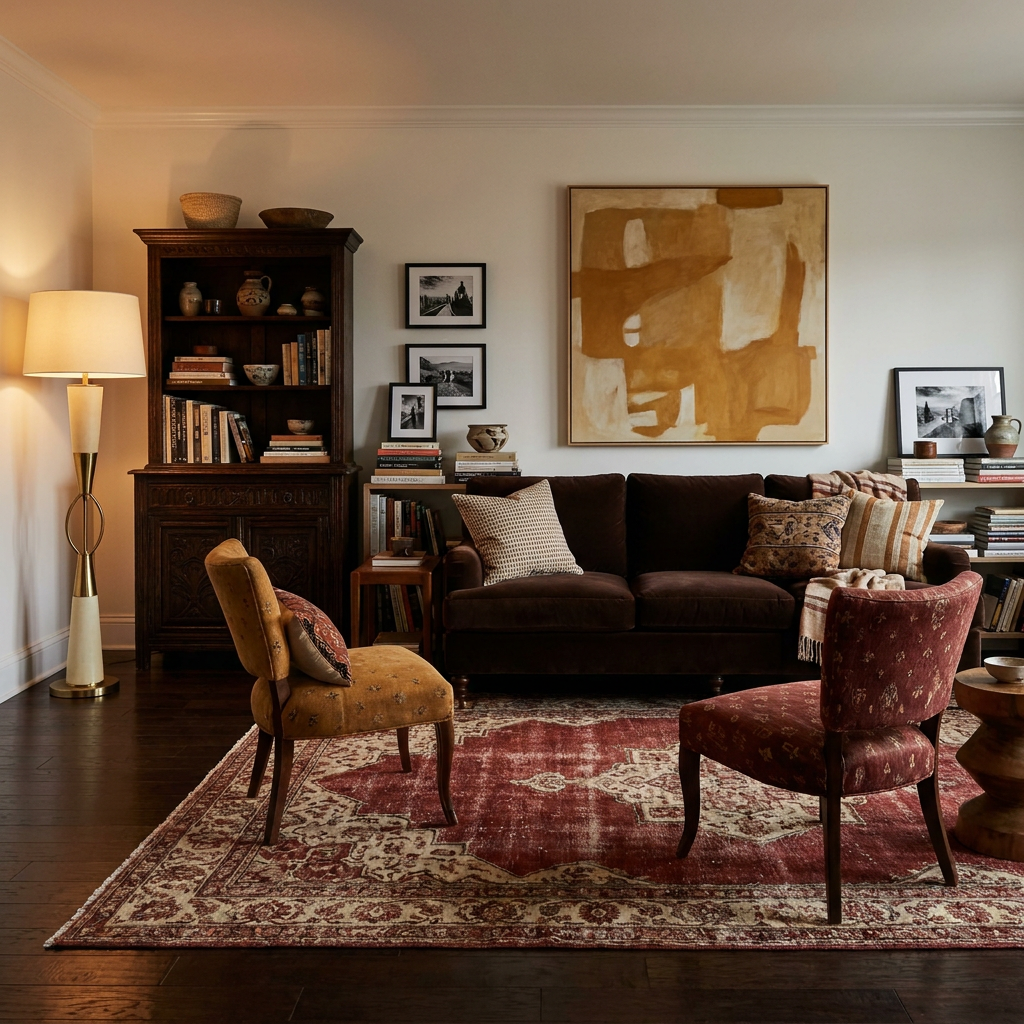
Variation tips: Set one unifying color. Limit the era mix to three. Replace the rug before changing furniture.
Define what holds the room together before adding more objects. A shared palette or repeated proportion gives an eclectic mix cohesion. Eclectic style relies on deliberate visual cohesion, using color, texture, and scale to unify pieces from different eras, according to Houzz. Zillow found color-drenching mentions up 149% year over year in its 2026 listing analysis, while vintage accents rose 17%.
Set a chocolate-and-oxblood palette first, so antique, contemporary, and handmade pieces share a common frame. Clear circulation matters here. It gives the room a personal narrative without turning every surface into visual noise.
How to Turn a Style Prompt Into Your Room
Controlled single-variable tests make comparisons useful for real room decisions. Designers are increasingly using AI in their process: the 2026 1stDibs survey found that 29% used tools such as ChatGPT and Midjourney for ideation, renderings, and workflow, up from 9% in 2023. Comparing a single controlled change makes the result useful for a real purchase, layout, or renovation brief.
In Krea, start with a lower-cost test such as Nano Banana, compare alternatives side by side, and move to Nano Banana Pro when material detail or final presentation warrants it. Pro generations consume credits quickly, but retaining one composition and editing its variables costs less than generating unrelated rooms. Krea provides a browser-based workspace for generating room concepts with image and video models, refining selected compositions, and organizing the resulting assets in one workflow.
Generate your first room-style concept in Krea Image, save the strongest composition, and test one change, such as zellige tile in the Mediterranean room or a chocolate-brown sofa in the Scandinavian room.
FAQ
Frequently asked questions
How do these style prompts help me choose a decoration direction faster?
What’s the difference between Contemporary and Modern in these prompts?
Why are maximalism and eclecticism still popular for 2026?
Can I use the same room layout across multiple style iterations?
How should I personalize an eclectic or eclectic-inspired room without losing cohesion?
Preview your room in Krea
Generate a room-style concept, keep the composition, and change one style variable at a time.
Try Krea Image