In November 2023, a show called “The Double Life of My Billionaire Husband” helped push an app called ReelShort to No. 2 on the US App Store (TechCrunch).
Three years later, microdramas are an $11 billion business, forecast to reach about $14 billion this year (Omdia).
It’s easy to write them off as bad TV. But they aren’t really TV. They’re built like mobile games: free to start, then paid for a little at a time.
Microdramas at a glance
- Format
- 1 to 2 minutes Vertical video, 60 to 90 episodes per series
- Global revenue
- $11B In 2025, with about $14B forecast for 2026 Omdia
- Biggest apps outside China
- ReelShort, DramaBox Close to $140M each in Q1 2026 Sensor Tower
- How viewers pay
- Coins per episode First episodes free, then coins, a subscription, or ads
- Live-action cost
- $100K to $300K Per series The Hollywood Reporter
- AI cost
- Under $3K For 100 minutes at some Chinese studios Caixin, via Fortune
What is a microdrama?
A microdrama is a full story, about the length of a film, cut into 60 to 90 vertical episodes of a minute or two. Each one ends on a cliffhanger. The first handful are free. Then the app asks you to pay.
Illustrative: an 80-episode series with the first 8 free. Real series run 60 to 90 episodes.
The stories are simple on purpose. A secret billionaire. A wronged wife. A werewolf in a contract marriage. You know who to root for within ten seconds, because ten seconds is all the show gets before you swipe away.
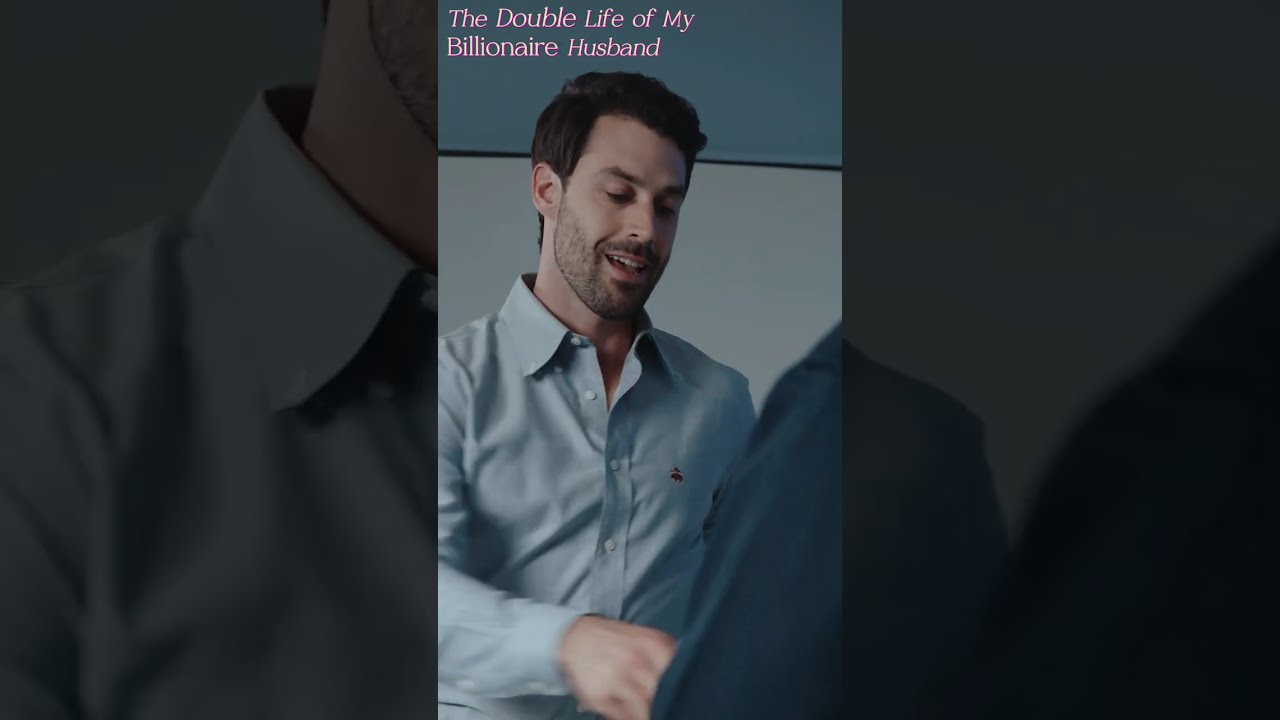 The Double Life of My Billionaire Husband
 ReelShort: the player
 ReelShort: the catalog
Where did they come from?
China, where the format is called duanju. It grew out of serialized web novels and short videos on Douyin and Kuaishou (Wikipedia).
In 2024 the Chinese market passed 50 billion yuan, about $6.9 billion, and overtook the country’s cinema box office (CNBC). The regulator now counts more than 800 million viewers (ECNS).
How did they reach the US?
ReelShort arrived in 2022 and DramaBox a year later. Neither tried to compete with Netflix. They bought ads on Meta and TikTok, showed the most outrageous thirty seconds of a show, and dropped viewers straight into episode one.
 DramaBox: popular
 DramaBox: the player
 DramaBox: the catalog
It worked. In the US, ReelShort’s users spend 35.7 minutes a day in the app. Netflix’s mobile app gets 24.8 (Omdia, via Deadline).
Source: Omdia, via Deadline.
Hollywood followed. Within about a year the actors’ union wrote a contract for vertical series, Fox invested in a microdrama studio, TikTok launched a dedicated app, and Disney+ added a vertical feed.
How do microdramas make money?
This is where the game comparison holds, because these apps sell coins, not subscriptions. You pay a few cents to unlock the next episode, again and again. A director who makes these for a living says viewers end up spending $30 to $40 to finish one series (Colin and Samir). Nobody pays $40 up front for a film on their phone. In small pieces, they do.
That makes the cliffhanger the checkout button. On television a cliffhanger brings you back next week. Here it sits in front of a payment, every 90 seconds.
The apps also buy their audience. ReelShort spent an estimated 55% of its 2025 revenue on marketing (Deadline), and the show and the ad for the show are cut from the same footage.
And the shows are cheap enough to test. A live-action series costs $100,000 to $300,000 and shoots in about a week (The Hollywood Reporter), so an app can release dozens and put its ad budget behind the ones that convert.
The result is about $750 million of in-app spending in the first quarter of 2026 alone (Sensor Tower).
None of this is easy money, though. ReelShort made about $800 million last year and is only expected to turn its first profit this year. Marketing is the reason.
How do you make your own?
Until recently you needed a crew, a location and a week of fourteen-hour days. That has changed faster than anything else in this story.
Between January and August 2026, China put 430,000 microdramas online. The regulator says more than 90% were AI-generated (ECNS). Caixin reports studios in Hangzhou producing a 100-minute series for under 20,000 yuan, about $3,000 (Fortune).
Sources: The Hollywood Reporter (live action); Caixin, via Fortune (AI, some Hangzhou studios).
The camera is no longer the hard part. What is left is what was always hard. You still need an idea the audience already wants, and a world and a tone that hold for 60 episodes. Your characters have to look the same in episode 50 as in episode 1. And every episode has to end with a reason to keep watching.
Where Krea fits
Drama Studio is built for microdramas: it keeps every series you are making in one place, along with the characters, worlds, styles and stories that belong to each one. That matters most at episode 40, when your lead has to look exactly like she did in episode 1.
Can you make money with microdramas?
Yes, but not the way the apps do.
The apps win by spending heavily on ads and owning the paywall. A solo creator cannot outspend them. But you can post your own series today, and there are three kinds of place to do it:
YouTube Shorts, TikTok, Instagram Reels
Open upload- Can you upload?
- Yes. Anyone can post episodes
- How it pays
- Ad-share and creator programs that pay on views
- The catch
- Pays on views, not unlocks; you need many episodes
Microdrama apps (ReelShort, DramaBox, GoodShort)
By licence- Can you upload?
- No. They license finished series
- How it pays
- A fee or a share of what viewers spend on unlocks
- The catch
- You pitch a complete season, and the app owns the audience
TikTok's PineDrama
By licence- Can you upload?
- No. Series come from studios, partners and contests
- How it pays
- Not published
- The catch
- No open creator program yet
Open-upload apps (Number One Best Website)
Open upload- Can you upload?
- Yes
- How it pays
- 70% to the creative team
- The catch
- New and small
Brands
By commission- Can you upload?
- Not applicable. You are hired
- How it pays
- A production fee
- The catch
- You need a portfolio first
Start where you can upload. YouTube added a Shorts Series feature as microdramas passed 6.5 billion views there in the first half of 2026 (Forbes). Post there and on TikTok first. It costs nothing and it shows you which episodes hold people.
Then pitch the apps. ReelShort, DramaBox and GoodShort license complete series, so arrive with a finished season, not a pilot (InVideo). A series that already has views is an easier pitch.
TikTok’s own microdrama app, PineDrama, is not open yet. It is free to watch, but its series come from studios and partners, and the ways in so far are contests, such as the Sundance Collab x TikTok Micro-Series Challenge (Influencer Intelligence).
One app does let anyone upload. Number One Best Website, started by former Amazon Studios head Roy Price, takes user-made microdramas and pays 70% to the creative team (The Hollywood Reporter). Brands have also started commissioning series as advertising (Variety).
When anyone can make a series, the series is not the advantage. The story is.