











Step 1
Describe
Type a clear text prompt for the material or effect you need. Add details like style, roughness, color, scale, and procedural controls for better node generation.
Turn text prompts into 3D node graphs fast. Generate clean, editable node setups for Blender workflows, previews, and rapid iteration. Try it now.
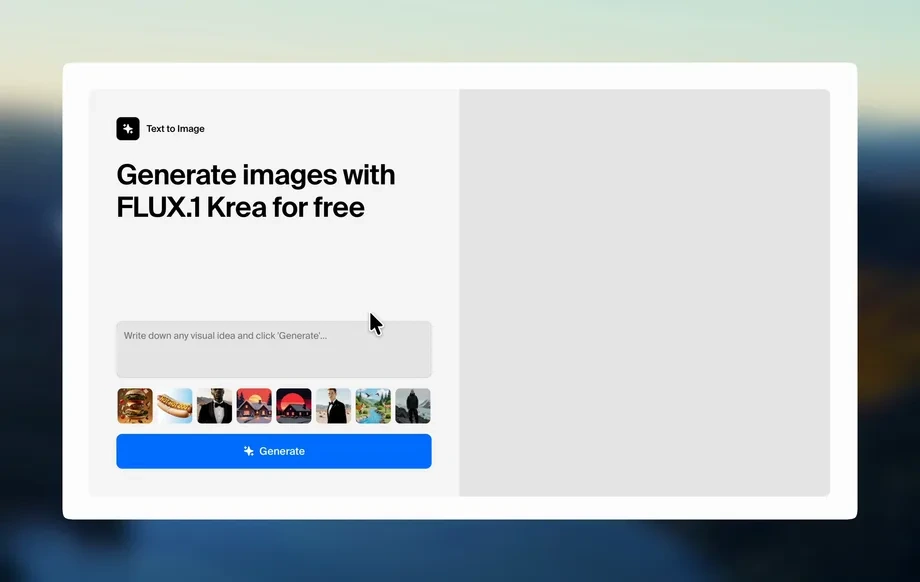
Run the app to see your first output
How to use A Test Text To 3D Node App
Create node-based 3D setups from a simple prompt. Follow these steps to describe your goal, generate an editable node graph, and export results for your 3D workflow in minutes.
Step 1
Type a clear text prompt for the material or effect you need. Add details like style, roughness, color, scale, and procedural controls for better node generation.
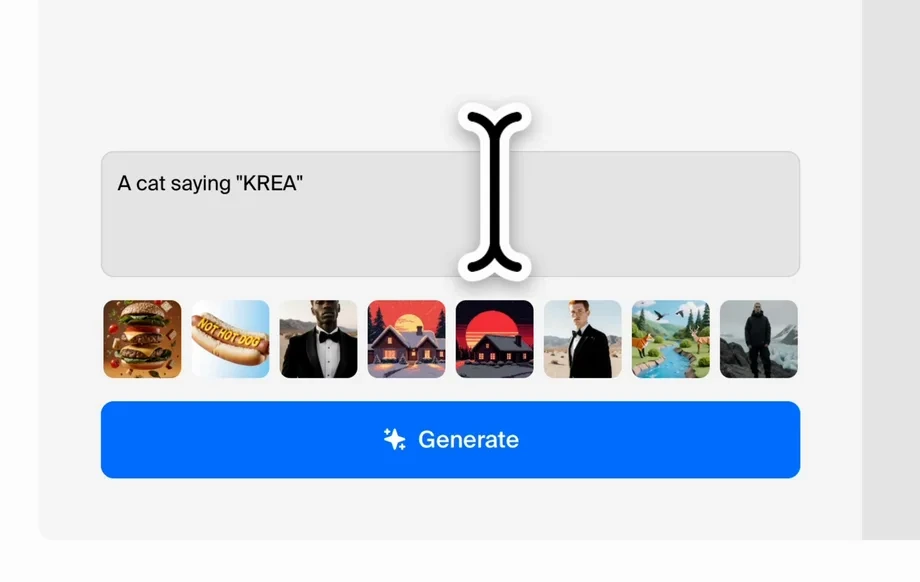
Step 2
Run the AI generator to produce a connected 3D node graph. Review the layout, tweak parameters, and regenerate variations to quickly reach the look you want.
Step 3
Copy or export the node setup for your pipeline. Use the generated graph as a starting point, then fine-tune nodes manually for final-quality results.
Features
Generate structured 3D node graphs from text prompts using AI. Build procedural materials and effects faster with clean, readable connections and editable parameters. Create variations, adjust controls, and iterate without rebuilding graphs from scratch—ideal for rapid prototyping and production-ready node workflows.
Turn natural language into a connected node graph with sensible defaults. Get organized layouts and consistent wiring that reduce setup time and keep graphs easy to edit.
Regenerate alternatives quickly to explore different looks. Compare outputs, adjust prompt details, and refine parameters to converge on the right material or effect faster.
Keep full control after generation with editable nodes and parameters. Use the graph as a base for custom tweaks, optimization, and integration into existing 3D projects.
About
A Test Text To 3D Node App converts plain text into structured 3D node graphs you can edit and refine. Describe a material, effect, or setup and generate a clean node layout in seconds for faster look development. Iterate quickly with AI-assisted node generation, consistent connections, and workflow-friendly outputs built for production.
A Test Text To 3D Node App focuses on clean, editable node graphs generated from simple text prompts. It saves time on repetitive setup, supports rapid iteration, and keeps results readable for real production workflows. Get faster ideation without sacrificing control over nodes, parameters, and final polish.
Enter a prompt describing your material or effect, generate the node graph, then adjust and regenerate until it fits your needs. Export or copy the result and integrate it into your 3D workflow immediately.
Use cases
Discover how different creators use this app in their workflow.
Describe a material and generate a node graph to test ideas quickly. Iterate on color, roughness, and pattern scale without rebuilding procedural networks manually.
Create consistent node setups for scene assets and lighting tests. Generate variations, then refine the best result into a production-ready shader workflow.
Generate clear node graphs from prompts to demonstrate concepts. Use readable layouts to explain procedural logic, connections, and parameter control in minutes.
Krea is one of the world's leading generative AI platforms. See what others say.
Real reviews on TrustpilotSo many AI tools out there but I always come back to Krea. It's really the one AI platform that 'just works'.

FYN
Krea's interfaces are still the best in the industry. Everything looks and feels so clean and easy to use! Imo the easiest to use gen AI website.

Lynn
Ultra fast generations. Extremely simple to use. All the latest AI models.

Daniel
KREA is the only AI subscription I have right now besides ChatGPT.

Sophia M.
Everything you need to know about AI text-to-3D node generation and exporting node graphs.
It turns a text prompt into an editable 3D node graph. You describe a material or effect, and the AI generates a structured node setup with connected components and adjustable parameters.
No. This tool generates 3D node graphs for procedural materials and effects, not full 3D meshes. It’s designed to speed up node-based workflows and shader-style setups.
Be specific about the look and controls you want. Include details like base color, roughness range, scale, pattern type, and any parameters you want exposed for easy tweaking after generation.
Yes. The output is meant to be edited. You can adjust parameters, replace nodes, reorganize layout, and refine connections to match your pipeline and performance requirements.
It’s optimized for node-based 3D workflows and can be used to create Blender-style node setups. Export options may vary, but the generated graph is designed to be compatible in practice.
Generation is designed to be quick for rapid iteration. Most prompts produce a connected graph in seconds, letting you explore variations and refine details without long setup cycles.
Yes. You can regenerate or create alternatives by changing prompt wording and parameters. This helps explore styles, noise types, and control ranges while keeping a consistent node structure.
Yes. It’s built for procedural material ideation and node-based texture workflows. Generate a starting graph, then fine-tune nodes and parameters to reach final-quality results.
No. You only need to describe what you want. The AI and machine learning system handles node selection and wiring, while you keep creative control through editing and iteration.
You can export or copy the generated node setup depending on the workflow. The goal is a practical, editable node graph you can reuse, modify, and integrate into projects.
Create editable 3D node setups with AI and iterate faster across materials, effects, and variations.