














Step 1
Describe
Enter your API goal, resources, and auth needs. Add example fields and constraints, then choose REST patterns and response formats to match your backend requirements.
Generate, document, and test APIs fast with AI. Create endpoints, schemas, and examples, validate requests, and export specs. Try app for API now.

How to use app for API
Use app for API to go from idea to a working API blueprint fast. Add your requirements, generate endpoints and schemas with AI, then validate responses and export an OpenAPI spec for integration.
Step 1
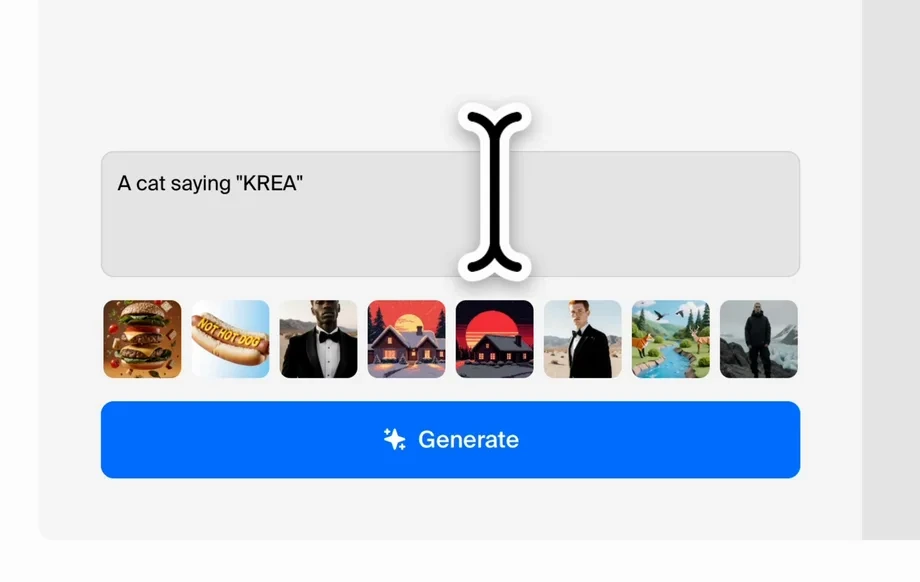
Enter your API goal, resources, and auth needs. Add example fields and constraints, then choose REST patterns and response formats to match your backend requirements.
Step 2
Generate endpoints, request bodies, responses, and JSON schemas with AI. Review suggested status codes, pagination, and error models, then refine prompts to iterate quickly.

Step 3
Run sample requests, validate payloads, and preview documentation. Export OpenAPI/Swagger specs and example responses to share with teams or plug into toolchains.
Features
app for API streamlines API design with artificial intelligence and practical testing tools. Generate REST endpoints, JSON schemas, and consistent error responses, then validate requests and refine outputs in one workflow. Export OpenAPI-ready specs to speed up development, documentation, and integration across environments.

Create REST endpoints, request/response models, and JSON Schema automatically from prompts. Keep naming consistent, reduce manual spec writing, and standardize payloads across services.

Test example requests, check required fields, and catch mismatched types early. Iterate on endpoints and error models quickly to align the spec with real-world use.
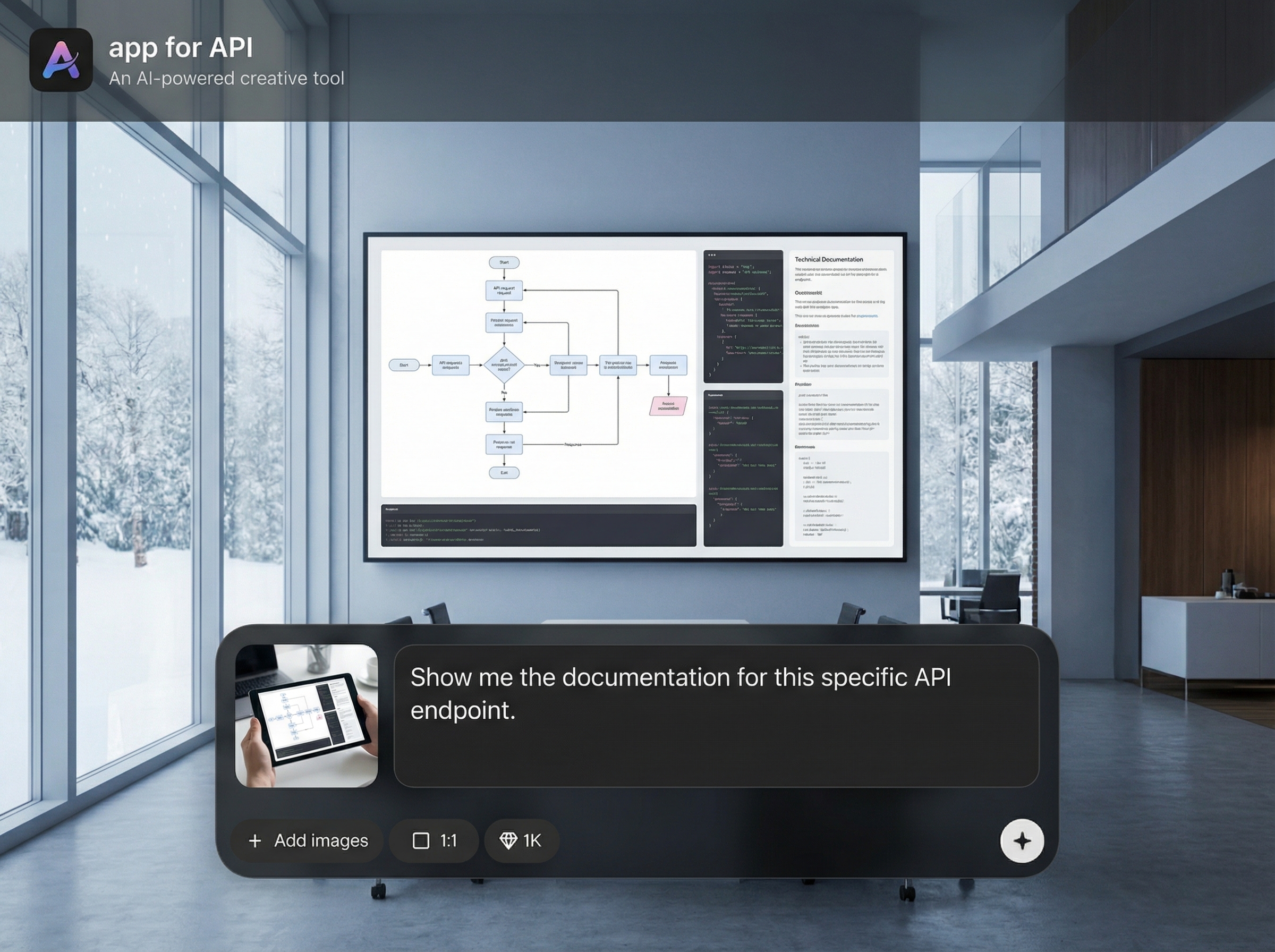
Generate clean API documentation and export OpenAPI/Swagger specs for immediate use. Share a single source of truth for onboarding, SDK generation, and CI validation.
About
app for API is an AI API generator that helps you design, document, and test endpoints in minutes. Generate request/response schemas, examples, and OpenAPI-compatible specs from simple prompts. Validate payloads, iterate quickly, and export clean API docs for faster integration across projects.
app for API combines AI generation with practical API design structure, so specs stay consistent and usable. Build endpoints, schemas, and error models in one place, then validate and export clean OpenAPI documentation. Reduce manual writing, speed iterations, and improve integration clarity.
Enter your API requirements, generate endpoints and schemas, then review and refine. Run quick validation with sample requests and export an OpenAPI/Swagger spec to share or integrate immediately.
Use cases
Discover how different creators use this app in their workflow.
Define resources, routes, and payloads quickly, then export an OpenAPI spec to align implementation and documentation before development starts.
Generate consistent request/response examples and error formats to unblock UI work, mock data flows, and reduce integration surprises.
Standardize schemas and validate sample requests to catch breaking changes early, improve API reliability, and support automated contract checks.
Krea is one of the world's leading generative AI platforms. See what others say.
Real reviews on TrustpilotSo many AI tools out there but I always come back to Krea. It's really the one AI platform that 'just works'.

FYN
Krea's interfaces are still the best in the industry. Everything looks and feels so clean and easy to use! Imo the easiest to use gen AI website.

Lynn
Ultra fast generations. Extremely simple to use. All the latest AI models.

Daniel
KREA is the only AI subscription I have right now besides ChatGPT.

Sophia M.
Common questions about generating, testing, and exporting APIs with AI.
It generates API endpoints, request and response bodies, JSON schemas, and documentation outlines. You can refine the structure, add constraints, and export an OpenAPI/Swagger spec for implementation.
Yes. app for API exports OpenAPI-compatible specs, plus example requests and responses. This makes it easier to share documentation, generate SDKs, and validate contracts in CI.
Yes. Generate RESTful routes, pagination, filtering, and consistent error responses with suggested status codes. You can customize naming, validation rules, and response formats to fit your standards.
You can validate payload shapes, required fields, and data types against generated schemas. Iterating on the spec before coding reduces mismatches between clients and servers and improves stability.
Yes. It helps standardize schemas and documentation across services, making internal APIs easier to maintain. Exported specs improve discoverability, onboarding, and consistent integration patterns.




Generate endpoints, schemas, and docs, then export OpenAPI specs ready for development and testing.